FDA allergen labeling peanut tree nut labeling 'may contain' cross-contact guidance (2026)
Aug 29, 2026
In the U.S., food allergy labels have become one of the most important “decision points” in the lunchbox, because reactions can escalate fast, and the label is often your first clue. That is why FDA allergen labeling peanut tree nut labeling 'may contain' cross-contact guidance matters so much in 2026, especially when you are trying to protect kids with peanut and tree nut allergies.
Key Takeaways
Quick label basics
|
2026-style shopping workflow
|
- Nut-Free is a production promise, not just a vibe, so check the facility statements on the package and on the brand’s info pages.
- When you see FDA allergen labeling peanut tree nut labeling 'may contain' cross-contact guidance style language, assume cross-contact is possible unless the brand controls it.
- If you want a calmer routine, explore our Nut-Free Snacks collection for Bars built for school-safe snacking.
- For label literacy you can use today, read our guide on how to read nut-free labels like a pro.
- If you are troubleshooting what changed on a package, our FDA food package labeling page explains how we think about allergen safety and label accuracy.
Need a quick reminder of why people put so much pressure on labels? Major allergens drive most serious concerns, which is why clear labeling is critical for safer choices.
Major allergens drive the vast majority of food reactions, making clear labels critical.
What FDA allergen labeling peanut tree nut labeling 'may contain' cross-contact guidance is trying to do (and why it can feel confusing)
Food labels have to do two jobs at once. They must tell you what is in the product, and they also have to communicate when there is a realistic risk of cross-contact during production.
That is where FDA allergen labeling peanut tree nut labeling 'may contain' cross-contact guidance comes into play. When a brand uses “may contain,” they are telling you cross-contact is possible, even if the ingredient list does not include peanuts or tree nuts.
For families, the confusion often shows up right in the lunchbox. You might see a Bars product that looks safe at first glance, but then the “may contain” line adds uncertainty.
We think the most helpful approach is simple. Treat “may contain” as a heads-up, not as reassurance. Then compare it to what the brand does in its facility and how consistently it can back up a Nut-Free promise.
Step 1: Confirm the allergen call-outs for peanut and tree nuts before you even consider “may contain”
When you pick up a box of Snacks or Bars, start with the ingredient panel. If peanut or tree nuts are actual ingredients, you should see them named, and the product should include clear allergen labeling.
Next, scan for the allergen statement area. In 2026, many packages now clearly separate “contains” style information from cross-contact language, but the exact wording still varies by brand.
- Ingredient list: tells you what is intentionally in the product.
- Contains/allergen statement: tells you which of the major allergens are present as ingredients.
- “May contain” cross-contact: warns you cross-contact is possible, even without those allergens as ingredients.
If you only do one thing, do this. Do not let “may contain” be your first read. Confirm the product’s peanut tree nut allergen call-outs first, then move on to cross-contact guidance.
Step 2: How to interpret “may contain” peanut tree nut cross-contact language in 2026
In the real world, “may contain” can feel like a gray zone. That is why we recommend translating it into one plain meaning: cross-contact is possible under some conditions.
FDA allergen labeling peanut tree nut labeling 'may contain' cross-contact guidance is built for transparency, but it does not guarantee a specific risk level. You are not being told “it definitely contains.” You are being told “it might have been exposed.”
So, how do you make a confident choice for your child?
- Match your risk tolerance to the statement. If you need true Nut-Free peace of mind, “may contain” is not the right direction.
- Compare the package promise to the brand’s facility approach. A consistent Nut-Free facility is different from a general “might be processed near nuts” scenario.
- Decide before the bus leaves. Our packing approach is the same every time, because it prevents last-minute label panic.
When you’re shopping for Nut-Free Bars, dairy-free matters too
Most families do not just look for peanut tree nut labeling guidance, they look for the whole “allergy fit.” That is where Nut-Free and Dairy-Free come together, because many school snacks include dairy, and some include sweeteners or fillers that can be tricky for other needs.
In practice, you want Bars that are clearly labeled for the allergens you care about most. For example, many of our No Nuts! options are Nut-Free Snacks and dairy-free, which helps reduce the amount of label juggling you have to do in the morning.
Here are a few concrete examples of how we present our Nut-Free approach across popular flavors, including Snacks and Bars families reach for often:
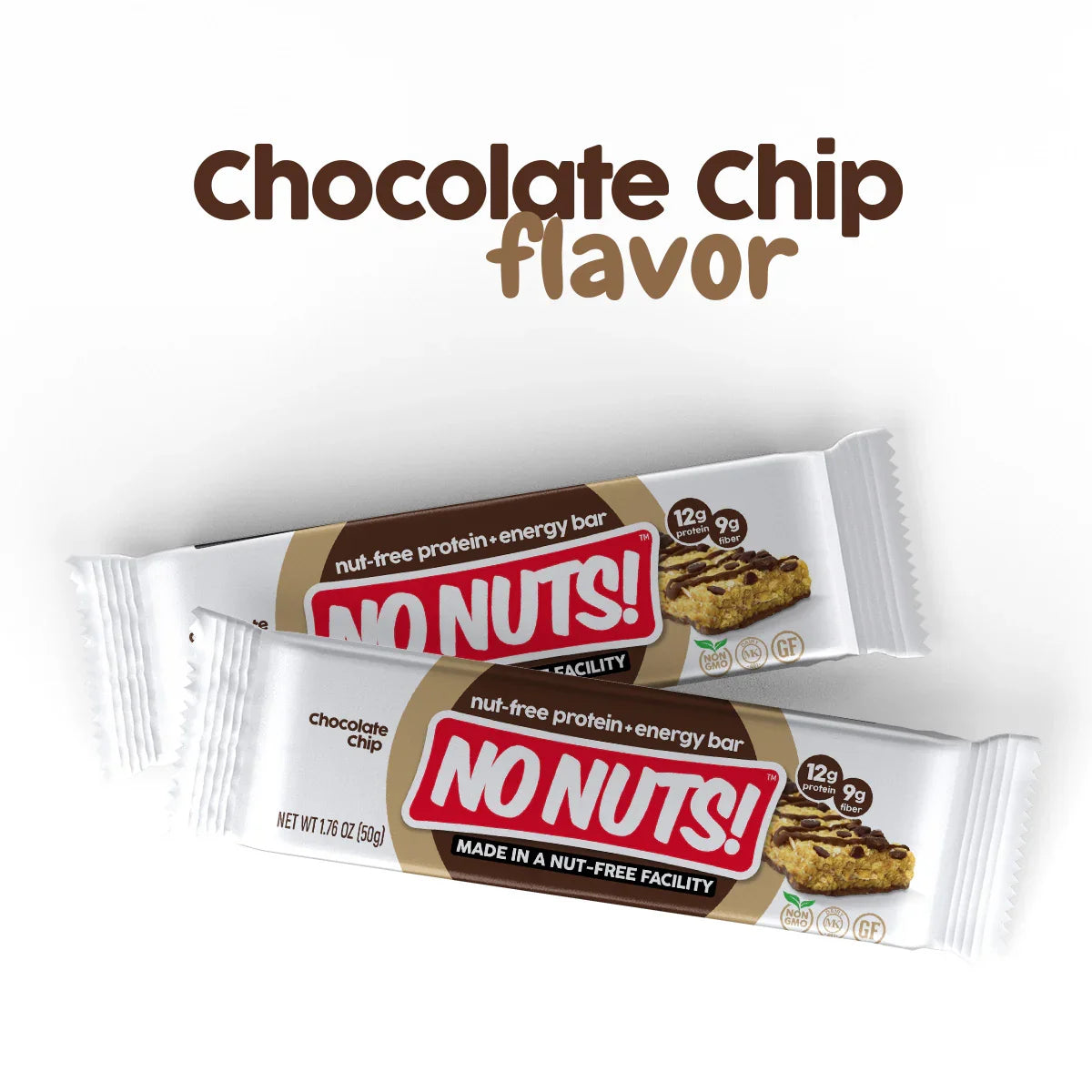
- No Nuts! Chocolate Chip (Nut-Free, dairy-free, gluten-free), 2-bar pack shown on the product page. Price example: $32.99.
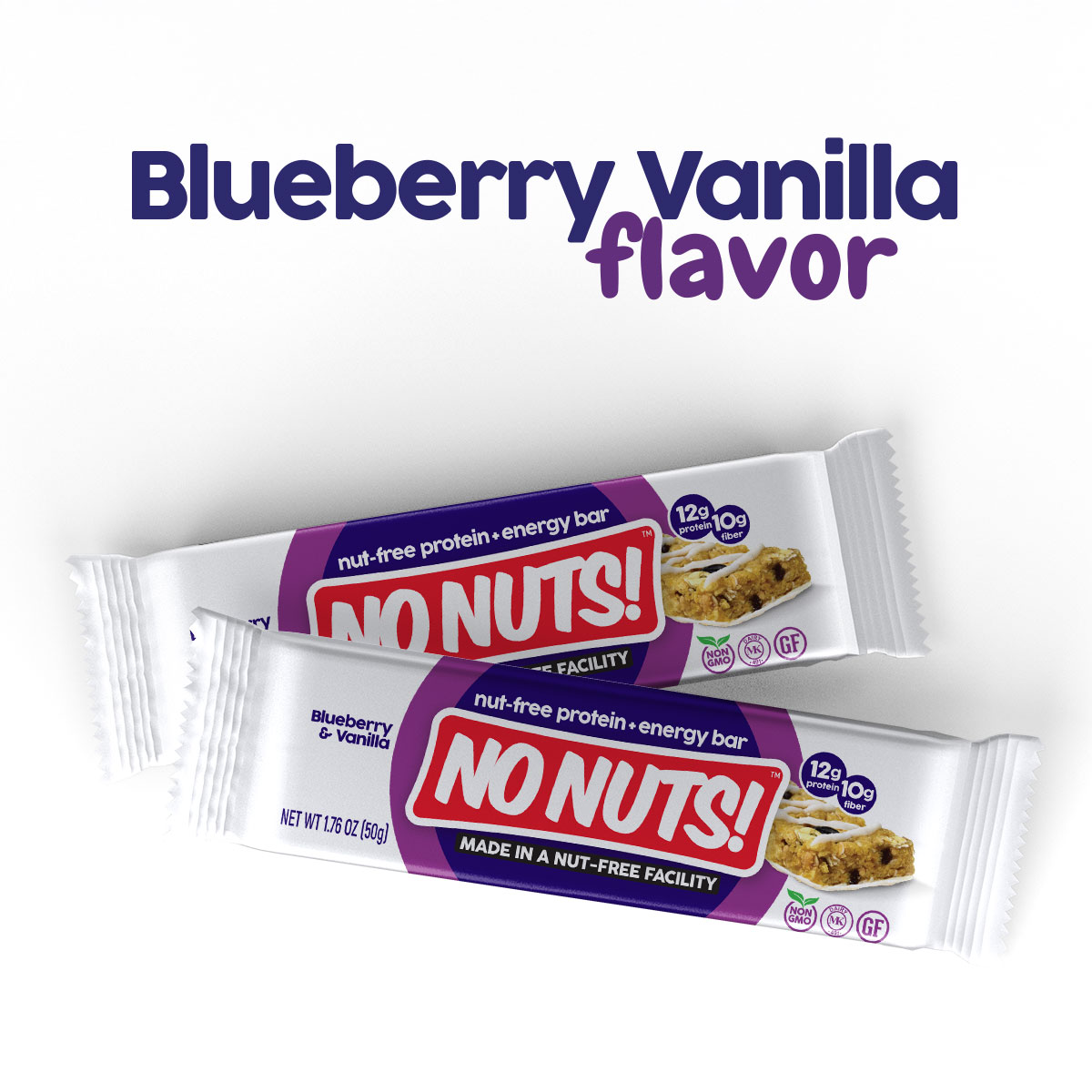
- No Nuts! Blueberry Vanilla (Nut-Free, dairy-free, gluten-free), price example: $32.99.
If your family is building a small set of Nut-Free staples, it is easier to pack with confidence. You are not starting from scratch each time you shop.
Facility statements beat guesswork, especially when the label says “may contain”
Here is the uncomfortable truth about FDA allergen labeling peanut tree nut labeling 'may contain' cross-contact guidance. The “may contain” language is an honest warning, but it does not tell you exactly how often cross-contact happens, or under what conditions.
So, if your goal is Nut-Free snack consistency, the most practical path is to look for brands that can back up their Nut-Free claim with a certified facility and strong allergen controls.
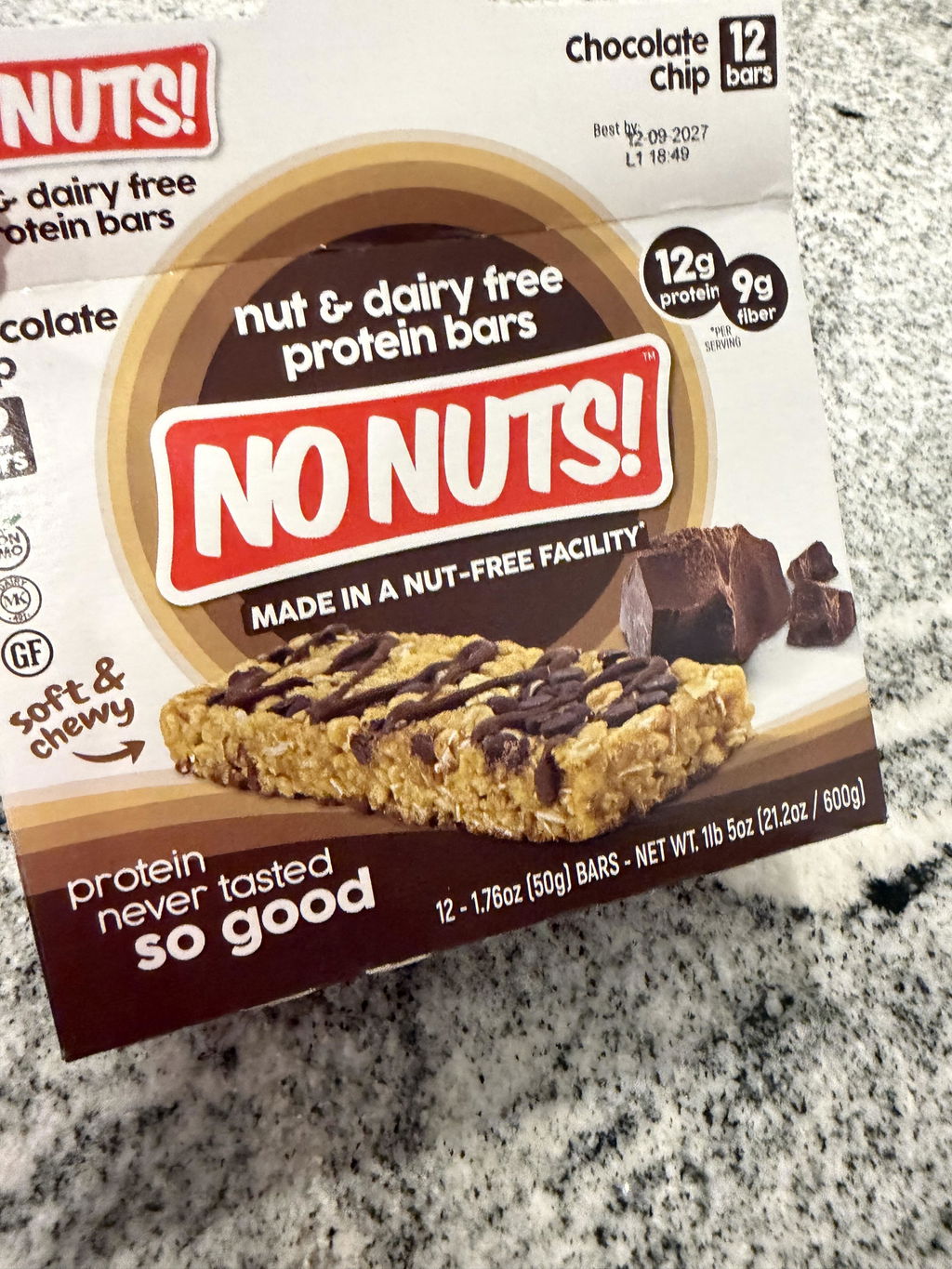
On our side, our No Nuts! approach is straightforward. Today, every bar is made in a 100% peanut-free and tree-nut-free facility to ensure total safety for those with food allergies.
If you want to see how this connects to what you read on a label, start with our FDA food package labeling guidance page and our general allergen information.
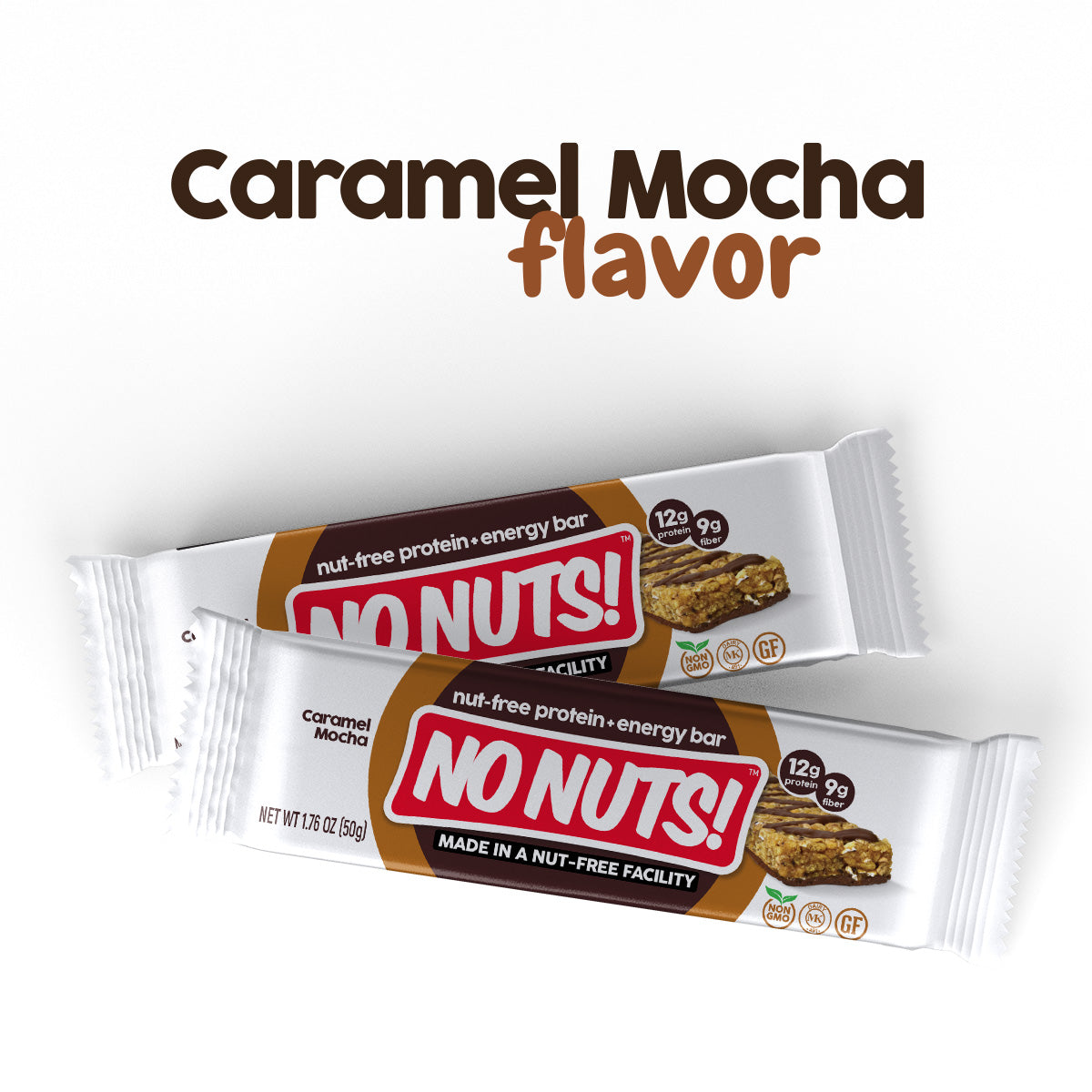
- No Nuts! Caramel Mocha (Nut-Free, dairy-free, gluten-free, school-safe). Price example: $32.99.
And if you prefer to sample, our No Nuts! Variety Pack 12-Pack makes it easy to keep your Snacks and Bars routine predictable.
What happens when packages change, and you want to trust the allergen statement
Families worry about label changes for one reason, the label is tied to safety. In 2026, we continue to expect brands to handle packaging changes carefully, especially when allergies are involved.
Our perspective comes from how the FDA discusses labeling flexibility. As described on our FDA food package labeling page, FDA allows limited and temporary flexibility in some food package labeling situations, but it also cautions that changes that impact safety of the food, especially changes to allergenic ingredients, are not permissible.
That is why we keep our recipes and our allergen call-outs consistent. Our goal is that the Nut-Free and dairy-free claims on Snacks and Bars match what is actually in the product.
Building a Nut-Free label routine for school, summer camps, and everyday Snacks
We’re more than a snack company, we’re part of a movement for safer, more inclusive eating. The reason “may contain” guidance matters so much is not to create fear, it is to help you choose with clarity.
So, in 2026, we encourage a routine you can repeat:
- Before school: check the ingredient panel, then cross-contact language, then confirm Nut-Free and Dairy-Free alignment for your needs.
- Before camp: pack from your confirmed list of Bars and keep a backup option that is clearly Nut-Free.
- Before playdates: ask what brands they serve, or bring your own Snacks that fit the allergy plan.
If you are planning ahead for summer camps, our summer camps nut-free options page shares how we think about creating a safer snack routine when kids are out of your daily control.
A practical “label checklist” for FDA allergen labeling peanut tree nut labeling 'may contain' cross-contact guidance
If you want a checklist you can use without overthinking, use this. It works for Nuts-Free, Dairy-Free needs, and it fits both Bars and other Snacks.
| Check | What to look for | Why it matters |
|---|---|---|
| Peanut and tree nut ingredients | The ingredient list and “contains” style allergen call-outs | This is what is intentionally in the product |
| “May contain” cross-contact | Any statement referencing peanuts or tree nuts | This matches FDA allergen labeling peanut tree nut labeling 'may contain' cross-contact guidance style warnings |
| Nut-Free facility promise | Brand claims like produced in a 100% peanut-free and tree-nut-free facility | Facility controls reduce uncertainty when labels include warnings |
| Dairy-Free alignment | Confirm dairy-free claim for your specific snacks and Bars | Some families need dairy-free too, so you avoid cross-allergen surprises |
If you want a deeper read on labels before you shop, our guide on how to read nut-free labels like a pro walks through exactly how to move through the information calmly.
Where No Nuts! fits into FDA allergen labeling peanut tree nut labeling 'may contain' cross-contact guidance
In a world filled with food allergies and confusing labels, we set out to build a brand parents can trust, kids can love, and anyone can enjoy with confidence.
After years of research, taste testing, and allergen-safety validation, No Nuts! was born, a snack bar that delivers flavor without fear. Our role in this shift is simple, we give you Nut-Free staples, and we help you read labels with less stress.
Today, every bar is made in a 100% peanut-free and tree-nut-free facility to ensure total safety for those with food allergies. That is how we reduce the weight of FDA allergen labeling peanut tree nut labeling 'may contain' cross-contact guidance language for families who want the simplest possible packing routine.
If you are ready to stock your Snacks and Bars lineup for 2026, start with our No Nuts! snack bars collection, then pick a few flavors that feel like bakery treats but are completely nut free and school safe.
Conclusion
FDA allergen labeling peanut tree nut labeling 'may contain' cross-contact guidance is designed to help you make safer decisions, especially for peanuts and tree nuts. In 2026, the best way to use it is practical, read the ingredient list first, interpret “may contain” as a real cross-contact warning, and choose Snacks and Bars that align with Nut-Free and Dairy-Free needs through consistent facility controls.
Packing a safe, nut-free lunchbox should not feel like a daily stress test. We’re more than a snack company, we’re part of a movement for safer, more inclusive eating, and our goal is simple, flavor without fear.
Frequently Asked Questions
What does “may contain” mean for peanut tree nut labeling on food in 2026?
“May contain” usually signals that cross-contact is possible, even if peanuts or tree nuts are not listed as ingredients. In terms of FDA allergen labeling peanut tree nut labeling 'may contain' cross-contact guidance, you should treat it as a warning and choose a Nut-Free option if your child needs that level of protection.
Is it safer to buy Nut-Free snacks even if the label says “may contain”?
For many families, yes. If your child has peanut tree nut allergies, FDA allergen labeling peanut tree nut labeling 'may contain' cross-contact guidance style warnings can introduce uncertainty, so choosing Snacks and Bars made in a 100% peanut-free and tree-nut-free facility is the clearest path.
How can I tell the difference between allergen ingredients and cross-contact guidance?
Ingredients are what the product intentionally includes, and they appear in the ingredient list and allergen call-outs. Cross-contact guidance appears as “may contain” language, and it connects directly to FDA allergen labeling peanut tree nut labeling 'may contain' cross-contact guidance.
Do I need to check dairy-free labeling too when I’m focused on peanut and tree nuts?
Often, yes, because families frequently manage more than one food need at the same time. Even when your main concern is FDA allergen labeling peanut tree nut labeling 'may contain' cross-contact guidance, confirming dairy-free on Snacks and Bars helps you avoid another preventable label surprise.
What should I do if a food package label changed in 2026?
Start by confirming the allergen call-outs and cross-contact wording match what you expect for peanut and tree nuts. If you are concerned about labeling changes, our explanation on FDA food package labeling lays out how FDA discusses flexibility and what that means for allergen safety.
How do I pick Bars for school when “may contain” shows up sometimes?
In most cases, we recommend building a short list of school-safe, Nut-Free staples you can rely on every time. If the packaging uses FDA allergen labeling peanut tree nut labeling 'may contain' cross-contact guidance language, consider it a sign to choose Bars that avoid those risks through facility-level controls.