Vegan Protein Bars: What to Check When Allergies Also Matter
Sep 25, 2026
Vegan Protein Bars: What to Check When Allergies Also Matter is about looking beyond the plant-based claim to the ingredients, allergen statement, and manufacturing details that matter for your specific allergy. With a careful label check, you can find a bar that supports your needs and makes snacking feel simple.
Key Takeaways
| What to check | Why it matters |
|---|---|
| The full ingredient list | Vegan and plant-based do not mean free from soy, peanuts, tree nuts, sesame, or other allergens. |
| The allergen statement | Read any Contains or may-contain wording for the exact flavor you plan to eat. |
| Plant protein sources | Pea, soy, and other legume proteins can be important if you have a related allergy. |
| Manufacturing details | A dedicated facility for one allergen does not address every allergen you avoid. |
| Nutrition facts | After checking allergy fit, compare protein, fiber, carbohydrates, and added sugars. |
| Current packaging | Ingredients and precautionary allergen statements can change by flavor and over time. |
| Symptoms after eating | A suspected food allergy deserves an allergist’s advice, rather than self-diagnosis or broad food avoidance. |
Read the Full Ingredient List and Allergen Statement
Can you be allergic to protein bars? Yes. A bar can contain an allergen in its recipe, or come into contact with one during manufacturing, so check the full label rather than relying on the words vegan, plant-based, or allergy-friendly on the front.
Look for the specific ingredients you avoid and familiar alternate names. Soy protein isolate, pea protein, tahini, nut flours, and seed butters can be easy to overlook when you scan quickly, while chocolate, flavorings, and coatings may add ingredients that are not obvious from the bar’s name.
With a tree nut allergy, avoid the specific nuts your allergist has told you to avoid and check for ingredients made from them. Labels may name almonds, cashews, walnuts, pecans, pistachios, or hazelnuts, or list nut flour, butter, milk, or paste; marzipan and praline can also contain tree nuts. Check chocolate, coatings, and mixed inclusions rather than relying on a flavor name. A reaction to one tree nut does not by itself establish which other nuts you should avoid, so ask your allergist how to handle related foods and precautionary statements.
In the United States, food labels identify the nine major allergens: milk, eggs, fish, crustacean shellfish, tree nuts, peanuts, wheat, soybeans, and sesame. Sesame became the ninth major allergen under federal labeling requirements effective January 1, 2023, so older allergen lists may not include it.
Read both the ingredients and the allergen statement. A Contains statement names major allergens present in the product, while precautionary allergen labeling such as may contain or made on shared equipment warns about possible unintended contact; that wording is voluntary and does not tell you every detail of a company’s controls.
- Check the exact flavor and package size, not just a brand’s general allergen page.
- Read the label again when the package design or recipe changes.
- Follow your allergist’s guidance for interpreting precautionary statements, especially if your allergy is severe.
Compare Plant-Based Protein Sources Carefully
Plant-based protein can come from soy, peas, rice, seeds, grains, or blends of these ingredients. Protein isolate and protein concentrate are processed forms used to add protein, so identify their source in the ingredient list rather than treating them as a single interchangeable ingredient.
Peas, peanuts, lentils, chickpeas, and soybeans belong to the legume family, but an allergy to one legume does not automatically mean you are allergic to all the others. If you react to a particular plant protein or have questions about related foods, ask an allergist before removing a whole food group or testing another protein on your own.
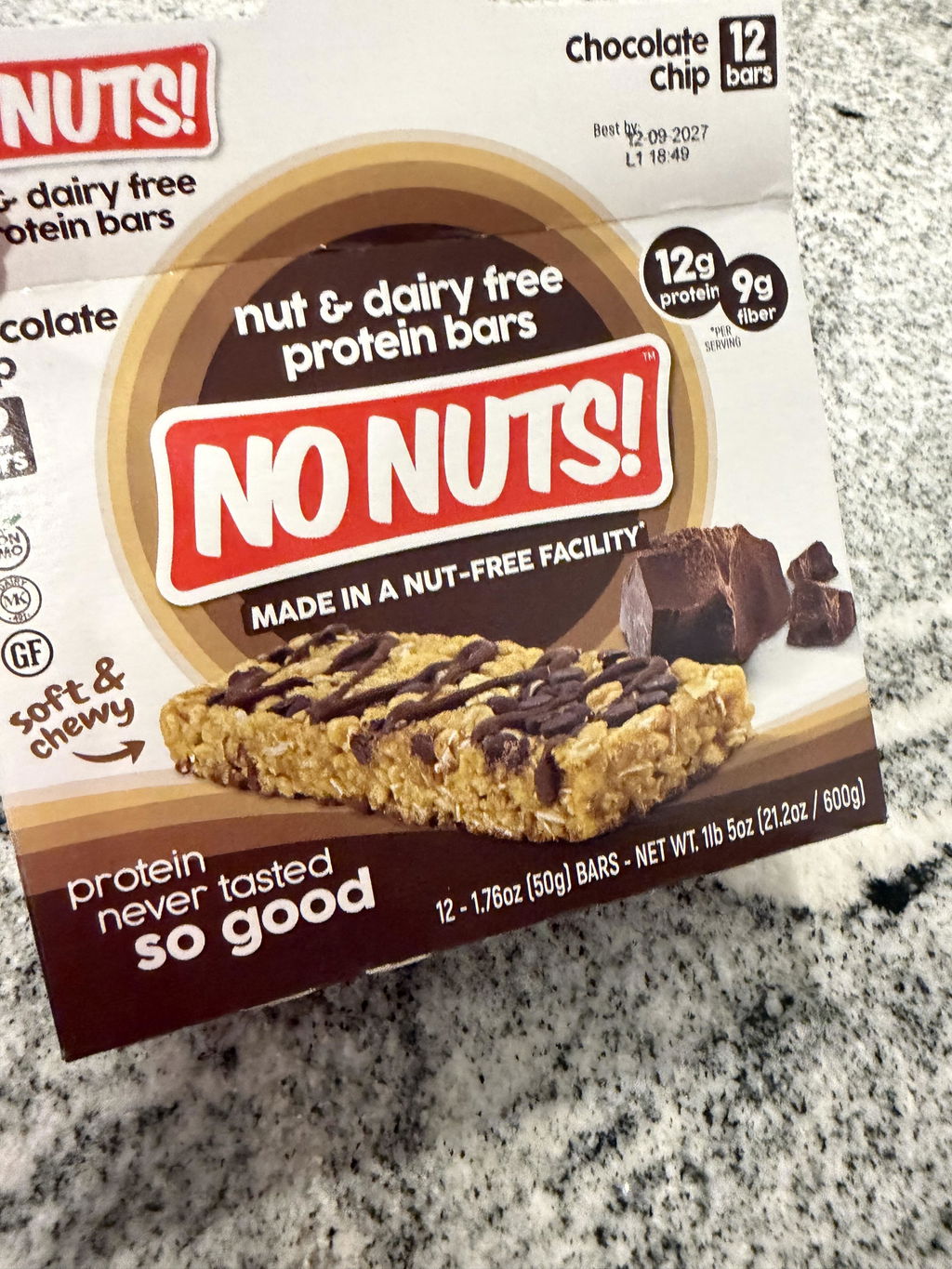
For a concrete ingredient-list example, check the labels for No Nuts! Chocolate Chip Snack Bars and Blueberry & Vanilla Snack Bars against the protein sources and allergens you avoid.
These examples show why nut-free, dairy-free, and vegan claims should not replace a check for the protein source that matters to you. If you avoid soy or peas, those ingredients deserve the same careful attention as the allergens highlighted on the front of the wrapper.


Assess the Facility and Cross-Contact Information
A dedicated facility is useful information, but it answers a specific question: which allergens are kept out of that facility? If a manufacturer describes a site as nut-free, that wording does not by itself establish controls for soy, sesame, or another allergen you avoid.
Shared facility and shared equipment statements are not interchangeable with a dedicated facility. They also do not explain every cleaning, production-scheduling, or verification step, so contact the manufacturer when the label leaves an important safety question unanswered.
Ask about the exact flavor and allergen you avoid. Useful questions include whether the ingredient is used elsewhere in the facility, whether production equipment is shared, how equipment is cleaned between runs, and how the company decides when to use precautionary allergen labeling.
No Nuts! describes its bars as made in a dedicated, peanut-free and tree-nut-free facility. That information may help families looking for nut-free staples, but your own allergy list still needs its own label and facility check.
Our mission is flavor without fear, with more inclusive eating for families who need nut-free options. The No Nuts! story and safety commitment explains the company’s focus on nut-free production and its vegan, dairy-free, and gluten-free bars.


Check That Vegan and Allergy-Suitable Both Apply
How can you check that a bar is vegan without overlooking an allergy? Look for animal-derived ingredients such as whey, casein, milk powder, egg, or gelatin, then make a separate pass for your allergens and the product’s manufacturing statements.
Vegan describes the ingredients’ animal origin, not whether a bar is free from peanuts, tree nuts, soy, sesame, or cross-contact. Likewise, nut-free and dairy-free claims do not automatically answer questions about every other allergen.
Can you go vegan if you have a nut allergy? Yes, a vegan diet can be built without nuts, but it takes attention to protein sources and labels. Pea, soy, rice, and seed proteins can offer alternatives, while each still needs to fit your own allergy precautions.
For example, compare No Nuts! Chocolate Caramel Mocha Snack Bars and No Nuts! Cinnamon Roll Snack Bars with the ingredients and allergens you need to avoid.
Both are vegan and nut-free, with 12 grams of protein per bar, which makes them useful examples for people seeking nut-free and dairy-free snacks who can also eat their listed ingredients.


Compare Protein, Fiber, Carbohydrates, and Added Sugars
Once a bar fits your allergy precautions, compare its nutrition facts with your needs. Protein can support a filling snack, while fiber contributes to fullness; carbohydrate and added sugar amounts help you understand the bar’s overall nutrition rather than judging it by the protein number alone.
Check the serving size first, then compare bars on the same basis. If you are choosing a bar for a snack between meals, you may prefer a different balance of protein, fiber, and added sugars than you would for a quick bite before activity.
| No Nuts! flavor | Protein per bar | Fiber per bar |
|---|---|---|
| Chocolate Chip | 12 g | 9 g |
| Blueberry & Vanilla | 12 g | 10 g |
| Chocolate Caramel Mocha | 12 g | 9 g |
| Cinnamon Roll | 12 g | 10 g |
The No Nuts! nut-free protein bar collection lists four vegan flavors with 12 grams of protein per bar. The values in the table describe the listed bars; for any product, use its current package to check the nutrition facts alongside the ingredients and allergen statement.
Know When to Ask an Allergist
A food allergy involves an immune response to a food, while an intolerance usually involves difficulty digesting or responding to a food without the same immune process. Symptoms can overlap, so do not diagnose yourself based on one reaction or assume that a symptom automatically means every related food must be removed.
If you suspect a reaction to pea protein, soy, or another bar ingredient, stop guessing and discuss the symptoms with an allergist. A specialist can help assess what happened and guide any testing or dietary changes; seek emergency care for symptoms that suggest a severe allergic reaction.
A pea-protein allergy may cause symptoms such as hives or itching, swelling of the lips, tongue, or throat, stomach pain, vomiting, wheezing, or dizziness. Symptoms vary and can have other causes, so a symptom list cannot confirm an allergy. If breathing or throat symptoms or other signs of a severe reaction occur, seek emergency care.
When choosing a bar, take a photo of the package and note the flavor, ingredients, and allergen statement. That simple record can make it easier to explain a reaction or a label question to your care team.
Frequently Asked Questions
Which vegan protein bars are best for people with allergies?
The best vegan protein bar is one that fits your specific allergen list, precautionary-label needs, and nutrition preferences. No single bar suits every allergy, so compare the exact flavor’s ingredients, allergen statement, and facility information.
How should I interpret a may-contain statement on a vegan protein bar?
A may-contain statement signals possible unintended allergen presence, but it does not give a complete description of the manufacturer’s controls. If the allergen is one you must avoid, use your clinician’s guidance to decide how to handle precautionary labeling.
What should I ask a manufacturer if the allergen label is unclear?
Ask the manufacturer to explain any unclear label wording in plain language before deciding whether the bar fits your needs.
Do vegan protein bars have high histamine?
There is no single histamine level that applies to all vegan protein bars, because ingredients and processing differ. If you suspect histamine-related symptoms, discuss the pattern with a qualified healthcare professional rather than relying on a broad product category.
Can a vegan protein bar cause stomach discomfort without being an allergy?
Yes. Ingredients such as added fiber or sugar alcohols can cause digestive discomfort for some people, which is different from an immune-mediated food allergy; a clinician can help you sort out persistent or concerning symptoms.
Can I bring a vegan protein bar to an allergy-aware school or event?
Ask the school or event organizer about its food rules and the specific allergy precautions in place. A bar that works for your household may not meet another person’s needs or the group’s policy.
What's the healthiest protein bar to eat?
There is no single healthiest bar for everyone. First rule out bars that do not fit your allergy precautions; then compare current labels using the same serving basis. Consider protein and fiber in the context of what you need from a snack, and check carbohydrates and added sugars rather than treating a protein claim as a complete nutrition score. If a clinician has given you nutrition targets, use those; otherwise, choose a bar whose ingredients and nutrition panel fit your needs and how you plan to eat it.
Choose for Your Needs, Not Just the Front-of-Pack Claim
Vegan Protein Bars: What to Check When Allergies Also Matter comes down to a clear order: check the ingredient list, allergen statement, protein source, and facility details before comparing nutrition claims. Vegan can mean a delicious plant-based option, but allergy suitability always depends on the ingredients and precautions relevant to you.
We believe snacking should make room for more people, not create more worry. With a current package check and a little planning, you can build a set of safe, simple snack choices that brings more freedom to everyday eating.
A note on allergies: This article is general information, not medical advice. Ingredients and facility practices can change, so always read the full label and allergen statement before eating any food, and talk with your doctor or allergist about your own needs.
No Nuts! protein bars (Chocolate Chip, Blueberry & Vanilla, Caramel Mocha and Cinnamon Roll) are made in a nut-free facility, and every ingredient is listed on our ingredients page. Our Chewy Chocolate Chip Granola Bars are made without the 9 major U.S. allergens (including soy); the facility also processes coconut.