Summer Camp With Food Allergies: The Complete Guide To Emergency Preparedness So Kids Can Just Be Kids
Feb 07, 2026
More than 20 million American children go to summer camp each year, and up to 15% of them have a diagnosed food allergy. That means every cabin, dining hall table, and hiking trail snack break could include a child who needs real protection, not just good intentions. As a nut-free snack brand that lives and breathes safety, we care deeply about how camps prepare, plan, and respond so kids with food allergies can focus on fun, not fear.
Key Takeaways
| Question | Short Answer |
|---|---|
| How common are food allergies at camp? | Food allergies are common in camps, with peanuts and tree nuts leading the list, so every camp should have a clear allergy and emergency plan in place. |
| What is the safest snack approach for nut-allergic campers? | Using certified nut-free snacks made in nut-free facilities, such as the options on our No Nuts! nut-free snack bars collection, helps reduce cross-contact risk. |
| Do camps really need written emergency action plans? | Yes, individualized plans for each camper with allergies guide staff on when and how to act fast in an emergency and should be backed up by clear policies like those discussed on our summer camps nut-free options page. |
| What role do parents play in camp allergy safety? | Parents should share detailed medical info, emergency contacts, and snack preferences, and can point camps to ingredient information like we list on our No Nuts! ingredients page. |
| Should camps stock emergency epinephrine? | Stock epinephrine is one of the most effective ways to prepare for unexpected reactions, alongside personal devices and staff training. |
| How can camps quickly check foods for allergens? | Using a clear allergen database and labels, like the approach in our guide on the food allergen database, helps staff make fast, safe decisions. |
1. Why Emergency Preparedness Matters So Much For Food Allergies At Camp
At camp, kids eat, play, and explore in new environments, often far from home and medical care. For children with food allergies, that mix of adventure and distance can be stressful if there is no clear plan for preventing and treating reactions.
We believe every child deserves to enjoy camp without worrying about the next meal or snack. That starts with recognizing that food allergies are not rare exceptions, they are part of everyday life at camp and deserve the same thoughtful planning as waterfront safety or fire drills.

2. Understanding Food Allergies In The Camp Setting
Food allergies are immune responses to specific foods, with peanuts and tree nuts topping the list at many camps. Reactions can range from mild hives to life‑threatening anaphylaxis, and symptoms may appear within minutes.
For camp directors and staff, the key is to treat every listed allergy as serious, even if past reactions seemed mild. A child who only had hives before can still experience a more severe reaction later, so emergency plans must cover the full spectrum of possibilities.


3. Building A Comprehensive Allergy Emergency Plan For Camp
A strong emergency plan starts long before the first camper arrives. We recommend that camps create written policies that cover allergy disclosure during registration, food service procedures, staff training, and how to respond to mild and severe reactions.
Each camper with a diagnosed allergy should also have an individualized emergency action plan supplied by their healthcare provider. This one-page roadmap should clearly state symptoms to watch for, step‑by‑step treatment, when to use epinephrine, and who to call.
Tip: Keep copies of emergency plans in the health center, at the dining hall, and with cabin or activity leaders, so no one has to search for directions in a crisis.

4. Choosing Safe, Nut-Free Snacks For Campers With Allergies
Snack time should feel relaxed and fun, especially for kids who juggle food allergies all year. One of the easiest ways camps can support that is by choosing snacks that are clearly labeled, made in nut‑free facilities, and designed to be school and camp safe.
Our No Nuts! bars were created precisely for these moments. They are nut‑free, dairy‑free, egg‑free, gluten‑free, and produced in a 100% nut‑free facility so parents, staff, and campers can share and serve with confidence.
No Nuts! Chocolate Chip Snack Bars For Allergy-Safe Energy
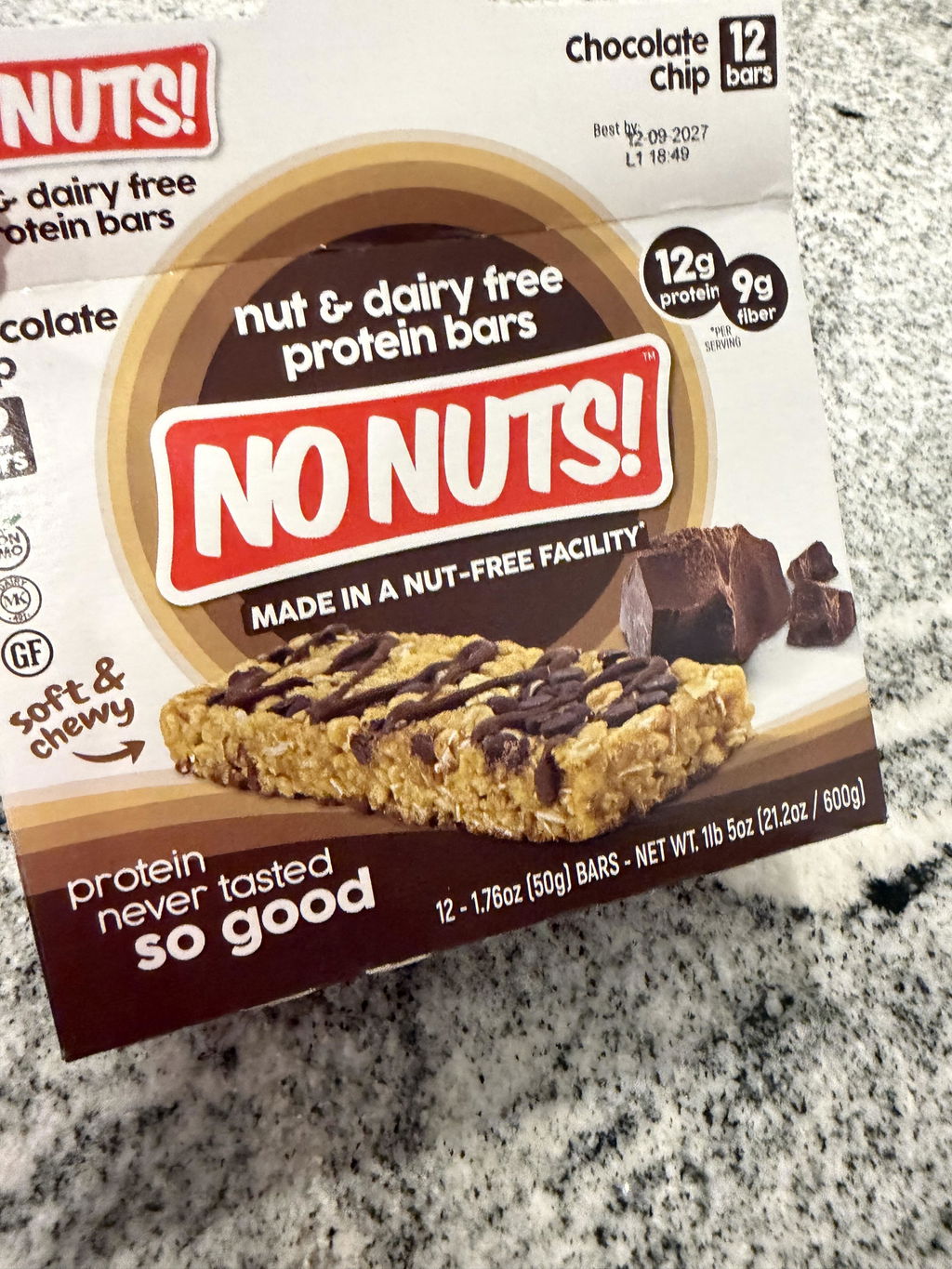
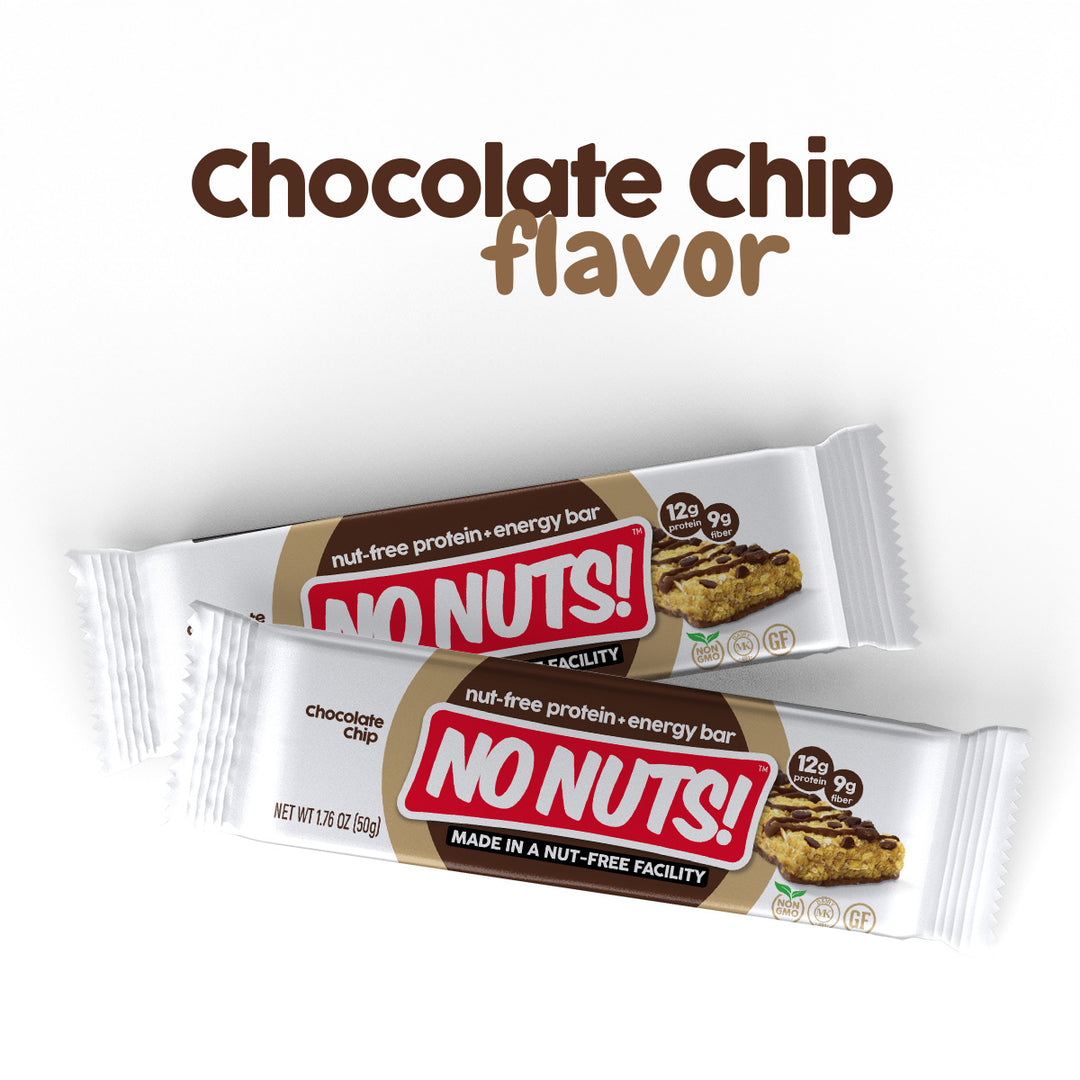
Our No Nuts! Chocolate Chip Snack Bars deliver the classic flavor kids love, with a sweet, slightly chewy texture and a chocolatey bottom. Each 12‑bar pack is priced at $32.99, with a $29.69 subscribe & save option for camps that want a steady supply.
Each bar offers around 12 g of protein and 9 g of fiber, which keeps campers fueled between meals without relying on nuts or dairy. They are individually wrapped, which makes them easy to hand out on hikes, bus rides, or during rest hour.

5. Flavor Variety That Still Puts Safety First
We know camps serve a wide range of ages and tastes, so variety matters just as much as safety. Offering multiple nut‑free flavors keeps snack time exciting while still honoring every allergy plan.
All of these flavors are nut‑free, dairy‑free, egg‑free, non‑GMO, and gluten‑free, which fits easily into mixed‑diet settings where some kids have allergies and others simply prefer a plant‑based option.
No Nuts! Blueberry & Vanilla Snack Bars
Our Blueberry & Vanilla Snack Bars are bursting with fruity flavor and a smooth vanilla finish. A 12‑bar pack is priced at $32.99, or $29.69 with subscribe & save, and every bar is individually wrapped for grab‑and‑go snacks on the way to the lake or field.
These bars are designed to be kid‑friendly and camp‑ready, providing protein and fiber in a format that works well as a mid‑morning or afternoon snack, especially on busy activity days.


6. Planning For Older Campers And Staff: Mocha & Variety Options
Many resident camps serve teens, counselors in training, and staff who appreciate flavors that feel a bit more grown‑up. Emergency preparedness includes thinking about the snacks you keep at the health center, staff lounge, and late‑night program spaces, not just the kids’ cabins.
We offer flavors that work beautifully in these settings while still staying fully nut‑free and allergy aware, which helps keep your whole camp consistent with its safety message.
No Nuts! Chocolate Caramel Mocha Snack Bars
Our Chocolate Caramel Mocha Snack Bars combine smooth caramel with a mocha espresso note and a chocolate base. A 12‑bar pack costs $32.99, with a $29.69 subscribe & save option for ongoing camp sessions.
Because these bars are nut‑free and dairy‑free, they make an excellent option for staff coffee breaks or older camper programs where you still want to avoid cross‑contact with nuts in shared areas.


7. Stocking Up: Samplers, Variety Packs, And Bulk Ordering For Camps
Camps often need flexible snack solutions that can cover many cabins, age groups, and programs. We created variety packs and samplers so you can offer multiple flavors without managing complex ingredient lists from different brands.
This approach supports emergency preparedness in a simple way. When you know every bar in the box is nut‑free and made in a nut‑free facility, you remove a major source of uncertainty for kitchen staff and counselors.
No Nuts! Variety Pack For Camp-Wide Nut-Free Snacking
Our No Nuts! Variety Pack brings together four flavors, including Chocolate Chip, Cinnamon Roll, Blueberry & Vanilla, and Caramel Mocha, in a 12‑bar box priced at $32.99 (or $29.69 with subscribe & save). This is ideal for camps that want to offer choice while keeping allergens tightly controlled.
| Pack Type | Bars Per Box | Flavors Included | Price |
|---|---|---|---|
| Variety Pack | 12 | Chocolate Chip, Cinnamon Roll, Blueberry & Vanilla, Caramel Mocha | $32.99 ($29.69 subscribe & save) |

No Nuts! 4-Pack Sampler For Allergy Planning And Menu Testing
For camps that are planning ahead, our No Nuts! 4‑Pack Sampler lets you taste Chocolate Chip, Cinnamon Roll, Blueberry & Vanilla, and Caramel Mocha in one compact pack for $14.99. This is useful when food service teams want to test flavors with staff before stocking up for sessions.
Because the sampler is nut‑free, dairy‑free, gluten‑free, and made in our nut‑free facility, it also works well for pre‑season allergy training days when staff practice reading labels and handling allergy‑friendly snacks.


8. Training Staff To Recognize And Respond To Allergic Reactions
Emergency preparedness is only as strong as the people who carry it out. Every counselor, kitchen worker, and program leader should know the basics of food allergies, early symptoms, and when to treat a reaction as life‑threatening.
We encourage camps to include allergy scenarios in staff orientation, such as how to read labels, how to check if a snack like a No Nuts! bar is appropriate for a particular camper, and how to respond if a child says they feel “off” right after eating.
- Teach the difference between mild and severe symptoms.
- Practice using a training epinephrine autoinjector.
- Review where emergency medications are stored in each area.
- Reinforce that “when in doubt, give epinephrine and call for help.”


9. Stock Epinephrine, Communication Plans, And Documentation
In a serious allergic reaction, seconds matter. Camps should have clear policies on where epinephrine is stored, who is trained to use it, and how to activate emergency medical services quickly from remote program areas.
Alongside medications, communication tools like radios, cell phones where coverage allows, and clearly defined call trees make it easier to coordinate care. After any reaction, documenting what happened helps camps improve their procedures and reassure families that every detail is taken seriously.


10. Partnering With Parents On Allergy Safety And Camp Snacks
Parents know their child’s allergy history better than anyone, so good communication between camp, family, and healthcare provider is crucial. Before camp starts, invite parents to share detailed allergy lists, reaction histories, and any preferences for snacks or brands that feel safest.
Many families already recognize No Nuts! bars as a safe, nut‑free, dairy‑free choice for school and camp. When camps align snack offerings with what parents already trust, everyone gains confidence that the emergency plan is supported by everyday decisions, not just binder policies.


11. Practical Ways To Use No Nuts! Bars In Your Camp Safety Plan
Nut‑free snacks are just one piece of emergency preparedness, but they are a powerful, everyday tool. By standardizing on nut‑free options like ours, camps simplify label checking, lower cross‑contact risks, and create an inclusive snack culture for kids with allergies.
From pre‑packed hike snacks to backup options in the health center, No Nuts! bars fit naturally into your allergy‑aware routines and can be documented right in your emergency and nutrition policies.
- Use No Nuts! bars as the default snack on bus rides and off‑site trips.
- Keep a labeled bin of nut‑free bars in each cabin for late‑night snacks.
- Stock variety packs in the health center for kids who miss meals due to medical visits.


Conclusion
Emergency preparedness and food allergies at summer camp are really about one thing: giving every child the chance to enjoy camp with confidence. When camps pair strong emergency plans, staff training, and clear communication with parents, they turn a potential worry into a well‑managed routine.
Nut‑free, allergy‑friendly snacks like our No Nuts! bars support that work every day, from the dining hall to the trail. With thoughtful planning, stocked epinephrine, and safe snacks at the ready, “No Nuts, No Problem” becomes more than a slogan, it becomes the way your camp does summer safely for everyone.