The Ultimate List of Tree Nuts to Avoid With Nut Allergies (2026 Guide)
May 20, 2026
If you or someone you love has a tree nut allergy, knowing the ultimate list of tree nuts to avoid with nut allergies is not optional — it is life-saving. The stakes are genuinely high: of children with a proven food allergy, 40% have severe reactions, which means that one overlooked ingredient can send someone straight to the emergency room.
Key Takeaways
| Question | Answer |
|---|---|
| What counts as a tree nut legally in the U.S.? | The FDA recognizes almonds, cashews, walnuts, pecans, pistachios, Brazil nuts, macadamia nuts, hazelnuts, pine nuts, chestnuts, and more as major tree nut allergens requiring plain-language labeling. |
| Is coconut a tree nut? | The FDA classifies coconut as a tree nut. People with tree nut allergies should ask their allergist before consuming coconut products. |
| Are peanuts tree nuts? | No. Peanuts are legumes, not tree nuts, but cross-contamination risk is real — always check labels and facility disclosures. |
| Can you find safe nut-free snacks that are also dairy-free? | Yes. Brands like No Nuts! produce nut-free, dairy-free snack bars made in a dedicated nut-free facility. |
| Do tree nut allergies go away with age? | Tree nut allergies are generally considered lifelong, unlike some childhood food allergies that are outgrown. Ongoing avoidance is the primary management strategy. |
| What is "may contain" labeling? | "May contain tree nuts" warnings are voluntary advisories about cross-contact risk during manufacturing. People with severe allergies should treat them as serious cautions. |
| Where can I look up allergen data for specific foods? | The No Nuts! Food Allergen Database offers a human-verified directory filtered by specific nuts and allergens. |
Why the Ultimate List of Tree Nuts to Avoid With Nut Allergies Matters in 2026
Tree nut allergy prevalence in the U.S. is estimated at 0.4% to 0.5% of the population, which sounds small until you realize it represents well over a million people navigating grocery stores, school cafeterias, and restaurant menus every single day.
The challenge is not just knowing which nuts to avoid — it is recognizing all of their names, their hidden forms, and the products that silently contain them.
In 2026, food labeling laws provide more protection than ever, but the responsibility to stay safe still falls heavily on allergy-aware individuals and their caregivers.
Whether you are managing your own allergy or packing safe snacks for a child at school, this guide gives you the complete picture.
Seven tree nuts to avoid for nut allergies are highlighted in this infographic. It helps readers spot common sources and consider safer substitutes.
The Complete List of Tree Nuts to Avoid With Nut Allergies
The FDA's Food Allergen Labeling and Consumer Protection Act (FALCPA) defines the following as major tree nut allergens that must be clearly disclosed on U.S. packaged food labels.
Here is the full, authoritative list of tree nuts to avoid with nut allergies:
- Almonds — Found in almond milk, almond butter, marzipan, amaretto, and many baked goods
- Cashews — Common in Asian cuisines, trail mixes, vegan cheeses, and dairy-free sauces
- Walnuts — Frequently used in baked goods, pestos, and salad toppings
- Pecans — Common in pastries, pies, and candied nut mixes
- Pistachios — Used in baklava, ice creams, and Middle Eastern dishes
- Brazil Nuts — Often found in mixed nut packages and some chocolates
- Macadamia Nuts — Common in cookies, chocolates, and Hawaiian-inspired foods
- Hazelnuts — A key ingredient in Nutella, pralines, and many European confections
- Pine Nuts (Pignoli) — Used in pesto sauces and Mediterranean dishes
- Chestnuts — Found in stuffings, marrons glacés, and some gluten-free flours
- Coconut — FDA-classified tree nut; present in many dairy-free and vegan products
- Beechnuts, Butternuts, Ginkgo Nuts, Hickory Nuts, Lychee Nuts — Less common but still recognized tree nut allergens
- Shea Nuts — Occasionally used in specialty chocolates and confections
This list represents the current 2026 standard for what qualifies as a tree nut under U.S. allergen law, and it should be treated as a living reference you return to regularly.
Hidden Names and Surprising Sources: The Ultimate List of Tree Nuts to Avoid With Nut Allergies Goes Beyond the Obvious
Knowing the list of tree nut names is only part of the challenge. Many of these nuts appear under alternative names or in ingredient forms that are easy to miss on a label.
Here are the hidden forms you need to watch for:
| Tree Nut | Hidden Names / Derived Ingredients |
|---|---|
| Almonds | Marzipan, nougat, almond extract, almond flour, almond paste, amaretto |
| Hazelnuts | Filberts, praline, gianduja (a chocolate-hazelnut blend), Frangelico |
| Cashews | Cashew butter, vegan cheese bases, some curry pastes and sauces |
| Walnuts | Walnut oil, baklava, some veggie burger blends |
| Pine Nuts | Pignoli, pesto sauce, Italian baked goods |
| Coconut | Coconut oil, coconut milk, coconut flour, dessicated coconut, coconut aminos |
Coconut is a particularly important nuance in 2026. Because it is so widely used in dairy-free and vegan products, people managing tree nut allergies can unknowingly encounter it while looking for a safe alternative to milk-based foods.
We always recommend consulting your allergist before deciding whether to include or exclude coconut from your personal list of tree nuts to avoid with nut allergies.
Tree Nuts to Avoid in Everyday Snacks, Bars, and Packaged Foods
The word "snacks" might seem harmless, but packaged snacks are one of the most common places for hidden tree nut exposure.
Trail mixes, granola bars, protein bars, and even some "healthy" energy bites frequently contain multiple tree nuts or are produced in shared facilities where cross-contact is a serious risk.
Here are the most common snack categories where tree nut exposure is especially likely:
- Granola and cereal bars — Often contain almonds, cashews, or pecans as a texture ingredient
- Protein bars — Many use almond butter or cashew butter as a binder
- Chocolates and confections — Hazelnuts and almonds are common mix-ins
- Pesto and pasta sauces — Pine nuts are a traditional ingredient
- Dairy-free cheese and milk alternatives — Cashew and almond bases are extremely common
- Asian cuisine — Cashews and peanuts often appear together in stir-fries and sauces
- Baked goods — Walnuts, pecans, and almonds are classic additions to muffins, cookies, and breads
When we say the ultimate list of tree nuts to avoid with nut allergies extends into snack foods, we mean it extends into almost every snack aisle category.
This is exactly why choosing nut-free certified products and brands that manufacture in dedicated facilities matters so much.
Nut-Free and Dairy-Free Snack Bar Options for People With Tree Nut Allergies
Finding snack bars that are genuinely safe for tree nut allergies used to mean reading every label twice and still feeling uncertain. In 2026, dedicated nut-free brands have made that process significantly easier.
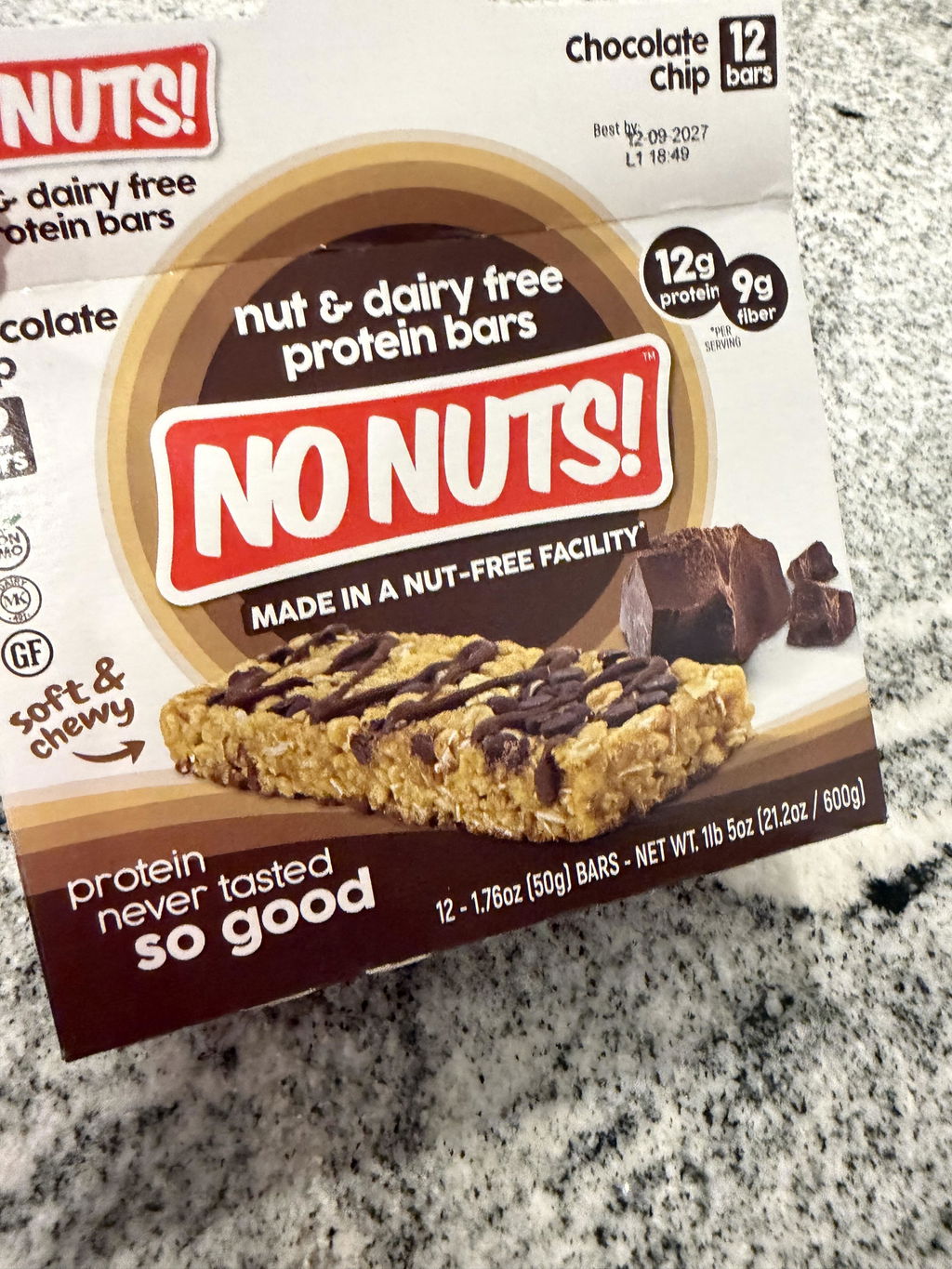
No Nuts! produces a full line of bars that are made in a 100% nut-free facility, which means there is no risk of cross-contact from shared equipment or shared production lines.
Their products are also dairy-free, gluten-free, and vegan — making them one of the most allergen-inclusive snack options available today.
Two standout options from their lineup include:
- Chocolate Chip Snack Bars 12-Bar Pack — A convenient pack of nut-free, dairy-free chocolate chip bars, perfect for school lunchboxes or on-the-go snacking
- Variety Pack 12-Bar Pack — An assorted selection of nut-free, dairy-free bars for families who want options without the allergy guesswork
If you are looking for safe snacks to replace the tree-nut-heavy bars that previously filled your pantry, these are a practical, worry-free starting point.
You can also use the full No Nuts! ingredient transparency page to verify exactly what goes into every bar before you buy.
How to Read Labels When Avoiding Tree Nuts
U.S. food labeling law requires that tree nuts be disclosed in plain English on all packaged food labels, so you will typically see them listed clearly in the ingredient list or in a "Contains" statement.
However, there are three label types you need to understand to stay truly safe:
- "Contains tree nuts" — This is a mandatory disclosure when tree nuts are an ingredient. Avoid this product entirely.
- "May contain tree nuts" — This is a voluntary advisory indicating cross-contact risk during manufacturing. For people with severe allergies, this should also be treated as a reason to avoid the product.
- "Processed in a facility that also processes tree nuts" — Similar to "may contain," this indicates shared manufacturing space. The level of risk varies by facility and process controls.
The safest approach is to choose products made in a nut-free dedicated facility, where none of the above warnings are necessary because tree nuts are never on the premises.
You can verify allergen status for a wide range of foods using the No Nuts! Food Allergen Database, which is human-verified and filterable by specific allergens.
Cross-Reactivity: The Ultimate List of Tree Nuts to Avoid With Nut Allergies May Be Longer Than You Think
Cross-reactivity is a phenomenon where your immune system reacts to proteins in one food because they resemble proteins in another food you are already allergic to.
For tree nut allergies, cross-reactivity is an important consideration because:
- People allergic to one tree nut are at increased risk of being allergic to other tree nuts
- Cashews and pistachios are botanically related and frequently trigger reactions in the same individuals
- Walnuts and pecans are also botanically similar and often co-reactive
- An allergist may recommend avoiding all tree nuts even if only one has been confirmed, to reduce overall risk
This is why many allergists advise their patients to treat the ultimate list of tree nuts to avoid with nut allergies as comprehensive rather than selective, until individual testing clarifies which specific nuts are safe.
We recommend working directly with a board-certified allergist to build your personal avoidance list based on your specific test results and medical history.
School-Safe and Nut-Free Snacks: What Parents Need to Know in 2026
In 2026, many schools across the U.S. maintain nut-free policies in classrooms and cafeterias, and for good reason: at least 2 in 5 children with food allergy have been treated in the emergency department for a reaction.
If your child has a tree nut allergy, choosing school-safe snacks means looking for products that are:
- Manufactured in a dedicated nut-free facility (not just "nut-free by recipe")
- Free from all tree nuts on the ultimate list of tree nuts to avoid with nut allergies
- Ideally also dairy-free and gluten-free to accommodate classmates with multiple allergies
- Clearly labeled so teachers and school staff can verify safety at a glance
No Nuts! bars meet all of these criteria and are specifically designed to be school-safe, making them a practical choice for lunchboxes and classroom celebrations alike.
If you are buying in bulk for a school, camp, or gym, the No Nuts! wholesale program offers case quantities and bulk pricing for organizations that need large volumes of allergen-safe snacks.
Conclusion: Use the Ultimate List of Tree Nuts to Avoid With Nut Allergies as Your Daily Reference
The ultimate list of tree nuts to avoid with nut allergies covers more ground than most people initially expect. From the obvious almonds and walnuts to the less anticipated pine nuts, coconut, and lychee nuts, the full scope of tree nut allergens requires consistent awareness across every meal, every snack, and every label you read.
The good news is that in 2026, more tools and products exist to support tree nut allergy management than ever before. Dedicated nut-free brands, dairy-free certified snack bars, verified allergen databases, and clearer labeling laws all work in your favor.
We built No Nuts! around the simple idea that allergen-safe snacks should not require a science degree to find. If you are ready to stock your pantry with safe, school-approved, nut-free options, browse our full range at gononuts.com and find the nearest retailer using our store locator.
Staying safe starts with knowing your list. Keep this guide bookmarked and share it with anyone who needs it.
Frequently Asked Questions
What is the complete list of tree nuts to avoid with a nut allergy?
The complete list of tree nuts to avoid with nut allergies includes almonds, cashews, walnuts, pecans, pistachios, Brazil nuts, macadamia nuts, hazelnuts, pine nuts, chestnuts, coconut, beechnuts, butternuts, ginkgo nuts, hickory nuts, lychee nuts, and shea nuts. Always consult your allergist to confirm which specific nuts apply to your personal allergy profile.
Is peanut butter safe if I have a tree nut allergy?
Peanuts are technically legumes, not tree nuts, so peanut butter is botanically different from tree nut butters. However, many peanut butter products are manufactured in facilities that also process tree nuts, so cross-contact risk is real — always check the label and choose brands that disclose their facility practices clearly.
What snack bars are safe for someone with a tree nut allergy in 2026?
In 2026, No Nuts! snack bars are among the safest options available, as they are produced in a dedicated 100% nut-free facility with no risk of cross-contact. Their bars are also dairy-free, gluten-free, and vegan, which makes them suitable for people managing multiple food allergies simultaneously.
Can I eat coconut if I have a tree nut allergy?
Coconut is classified as a tree nut by the FDA, so it technically falls within the ultimate list of tree nuts to avoid with nut allergies. That said, many people with tree nut allergies tolerate coconut without issue — speak with your allergist to determine whether coconut is safe for you specifically.
How do I know if a product is truly nut-free versus just "made without nuts"?
A product labeled "made without nuts" may still be manufactured in a facility where tree nuts are present, creating cross-contact risk. A truly nut-free product comes from a dedicated nut-free facility where tree nuts are never processed on-site, which is the only way to virtually eliminate cross-contact risk.
Are tree nut allergies lifelong?
Unlike milk or egg allergies that children sometimes outgrow, tree nut allergies are generally considered lifelong and do not resolve with age in most cases. The recommendation from most allergists in 2026 remains strict avoidance of all tree nuts on your confirmed allergy list, combined with carrying emergency medication like an epinephrine auto-injector.
What is the best dairy-free snack bar for someone avoiding tree nuts at school?
The best dairy-free snack bars for school-age children with tree nut allergies are ones made in a dedicated nut-free facility, clearly labeled, and free from the top allergens. No Nuts! bars are specifically designed to be school-safe, nut-free, and dairy-free, making them a reliable everyday option for lunchboxes and class parties.