
Nut-Free At Home: 10 Proven Ways To Stop Cross-Contact In Your Kitchen
Jan 02, 2026
Half of all food-related allergic reactions happen at home, which means our own kitchens are often the biggest risk for families living nut free. Cross-contact can sneak in through crumbs, shared utensils, or even a cutting board that is not quite clean. In this guide, we walk through clear, practical steps to prevent cross-contact in nut-free kitchens, so snacks, meals, and lunchbox favorites feel as safe as they taste.
Key Takeaways
| Question | Answer |
|---|---|
| What is cross-contact in a nut-free kitchen? | Cross-contact happens when nut proteins from one food, surface, or tool transfer to another food that is supposed to be nut free. It is different from cross-contamination with germs and is a major focus of nut-free kitchen safety. |
| Can pre-packed snacks help reduce cross-contact risk? | Yes, individually wrapped products from a dedicated nut-free facility, like the bars in our No Nuts! Variety Pack, avoid many of the handling steps that can introduce nut residue at home. |
| How do I know if a snack bar is truly nut free? | Look for clear nut-free statements, facility information, and an ingredients page that confirms no peanuts or tree nuts, like our Nut-Free Snack Bar Ingredients & Nutrition Facts. |
| Where can I find more nut-free snack options for my kitchen? | We list all our 100% nut-free, dairy-free, gluten-free bars on our No Nuts! Snack Bars collection page, so you can stock your pantry with safe grab-and-go options. |
| What if I have questions about allergens or nut-free handling? | You can always reach out to our team with your allergy and cross-contact questions using the details on our Frequently Asked Questions and support resources. |
| How can I contact you if I am unsure about safe use at school or camp? | We welcome questions from parents, schools, and camps. Just send us a note through our Contact Us page so we can help you navigate nut-free needs. |
1. Understanding Cross-Contact In Nut-Free Kitchens
Before we talk about specific steps, it helps to define what cross-contact really is. In a nut-free kitchen, cross-contact happens when invisible traces of peanut or tree nut protein move from one place to another, then end up in food meant to be safe.
This can be as simple as using the same knife on a peanut butter sandwich and then on an apple slice for a nut-allergic child. Unlike bacteria, you cannot cook away nut proteins at normal kitchen temperatures, so prevention is the goal, not removal afterward.

Why Home Kitchens Need Nut-Free Habits
Because everyday life is busy, it is easy for small shortcuts to introduce risk. A shared toaster, a cutting board with tiny grooves, or a tub of margarine that has seen a peanut knife can all carry nut traces.
For families living with allergies, a nut-free kitchen is more than a label. It is a set of habits and systems that keep those hidden risks as close to zero as possible.


2. Setting Up A Nut-Free Zone At Home
If your whole home cannot be nut free, creating a clearly defined nut-free zone is a strong second choice. This can be a specific counter, cabinet, or side of the kitchen that everyone in the family understands as "no nuts allowed."
Label shelves, drawers, and containers so nut-free foods and tools have a permanent home. Visual cues help kids, guests, and babysitters follow the rules even if they are not allergy experts.
Dedicated Storage For Nut-Free Snacks
We recommend choosing a separate, closed cabinet or bin for nut-free snacks that are individually wrapped. Products made in a dedicated nut-free facility skip many of the contamination risks that come with bulk bins or shared bakery items.
Our No Nuts! bars are 100% nut free, dairy free, and gluten free, which makes them easy additions to that safe cabinet. Individually wrapped bars keep surfaces cleaner and limit how much preparation happens in shared kitchen areas.
Visual Rules That Make Sense To Kids
Families often find it helpful to color code. For example, green tape or stickers can mark nut-free drawers and utensils so kids know where they are allowed to grab things freely.
Keeping the conversation open and age appropriate helps children understand that these rules are not restrictions, they are how everyone helps keep each other safe.
3. Cleaning Routines That Actually Remove Nut Proteins
Good cleaning habits are the backbone of cross-contact prevention in nut-free kitchens. Surfaces and tools that have touched peanut butter or nut spreads need more than a quick wipe with a dry towel.
Use hot, soapy water on counters, tables, and utensils, and follow with a thorough rinse. For porous items like old wooden cutting boards or heavily scratched plastic, retiring them from the nut-free zone is often safer than trying to scrub every groove.
Shared Appliances: Toaster, Microwave, And More
Shared appliances are a common source of unexpected exposure. Crumbs in a toaster slot or residue inside a microwave can move allergen proteins around without anyone noticing.
If your household still uses nut products, consider a separate toaster and cutting board that are reserved for nut-free use only. Clearly labeling and storing them in the nut-free zone keeps them out of the regular rotation.


Using Pre-Packaged Nut-Free Snacks To Limit Mess
Every time you chop, spread, or bake, you introduce more surfaces that need careful cleaning. Choosing pre-packaged nut-free snacks cuts down on the number of steps where cross-contact can happen.
Because our No Nuts! bars are sealed at a dedicated nut-free facility, you can open, eat, and enjoy them without extra prep work. That simplicity makes a big difference on busy mornings or in shared family kitchens.


4. Shopping Smart: Labels, Ingredients, And Hidden Risks
Cross-contact prevention in a nut-free kitchen actually starts at the store shelf. Reading every label, every time, helps you catch recipe changes, new facility notes, or advisory statements like "may contain peanuts" or "processed in a facility that also processes tree nuts."
Pay attention to snack aisles and bakery items, since a 2022 study found detectable peanut protein in a portion of randomly sampled baked goods. That kind of hidden risk is exactly what we work to avoid with dedicated nut-free production.
What To Look For On A Nut-Free Snack Label
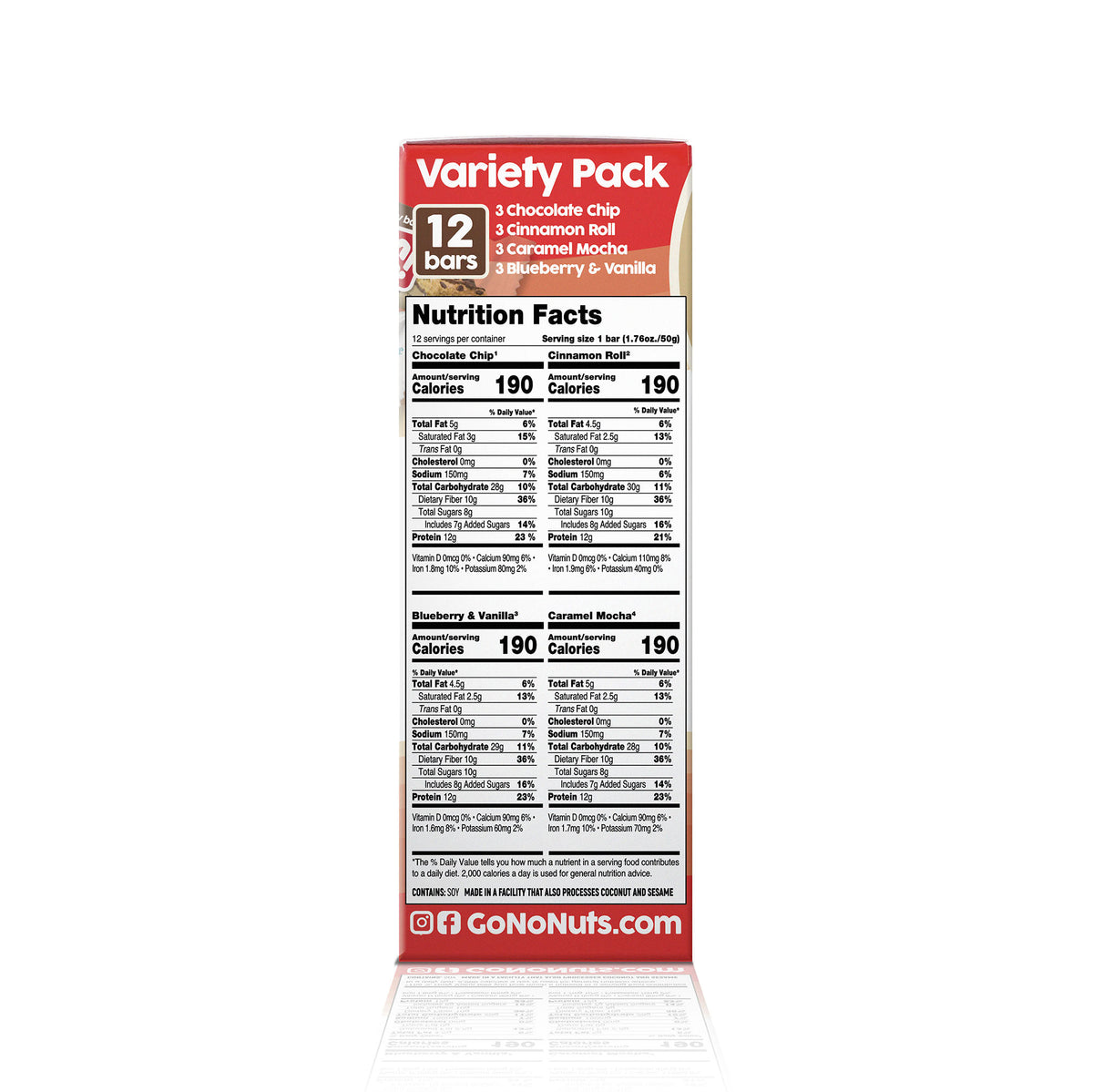
When you pick up a snack bar, look for a clear nut-free statement, plus a full ingredient list you recognize. For our bars, we also share detailed nutrition panels and ingredients by flavor so you can see exactly what you are bringing into your kitchen.
Nut-free, dairy-free, and gluten-free information gives extra peace of mind to families managing multiple allergies or sensitivities in the same space.


Why Dedicated Nut-Free Facilities Matter
Products from a mixed-use facility might share conveyors, mixers, or storage with nut-containing foods. Even with cleaning, that can raise cross-contact risks for families managing severe allergies.
Our own bars are made in a dedicated nut-free facility, which removes nuts from the equation at the production stage. That choice lets your home kitchen start from a safer baseline and focus on preventing contact with any nuts that still come into the house for others.


5. No Nuts! Bars As A Cross-Contact Friendly Option
One simple way to cut down cross-contact risk in a nut-free kitchen is to lean on safe, ready-to-eat snacks. Our No Nuts! bars are designed with that exact need in mind, so families can have "grab it and go" options that stay out of shared mixing bowls and cutting boards.
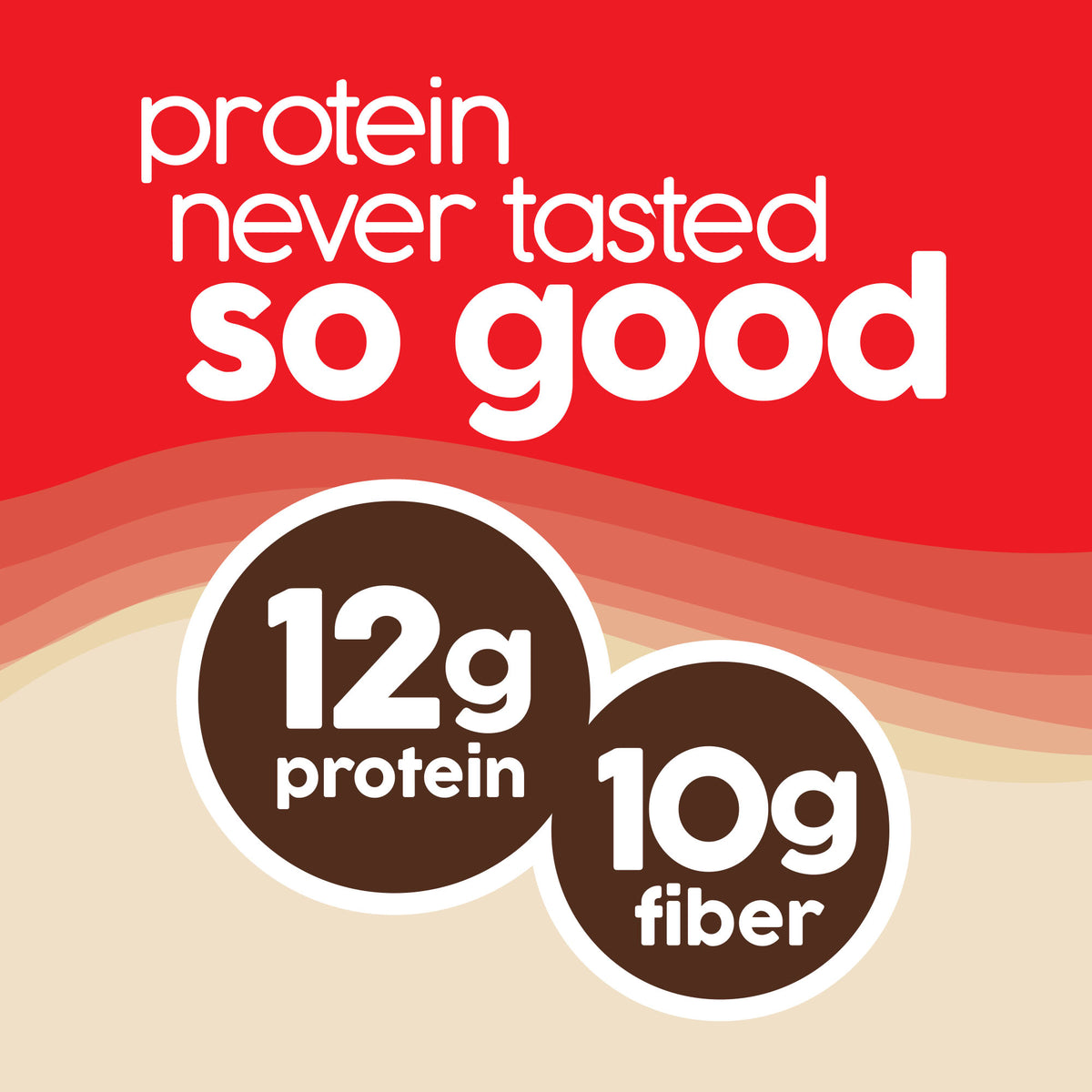
Every bar is 100% nut free, dairy free, gluten free, and kosher, with 12 g of protein to help you feel satisfied at school, practice, or on the road.
Chocolate Chip Snack Bars: Safe, Familiar, And Convenient
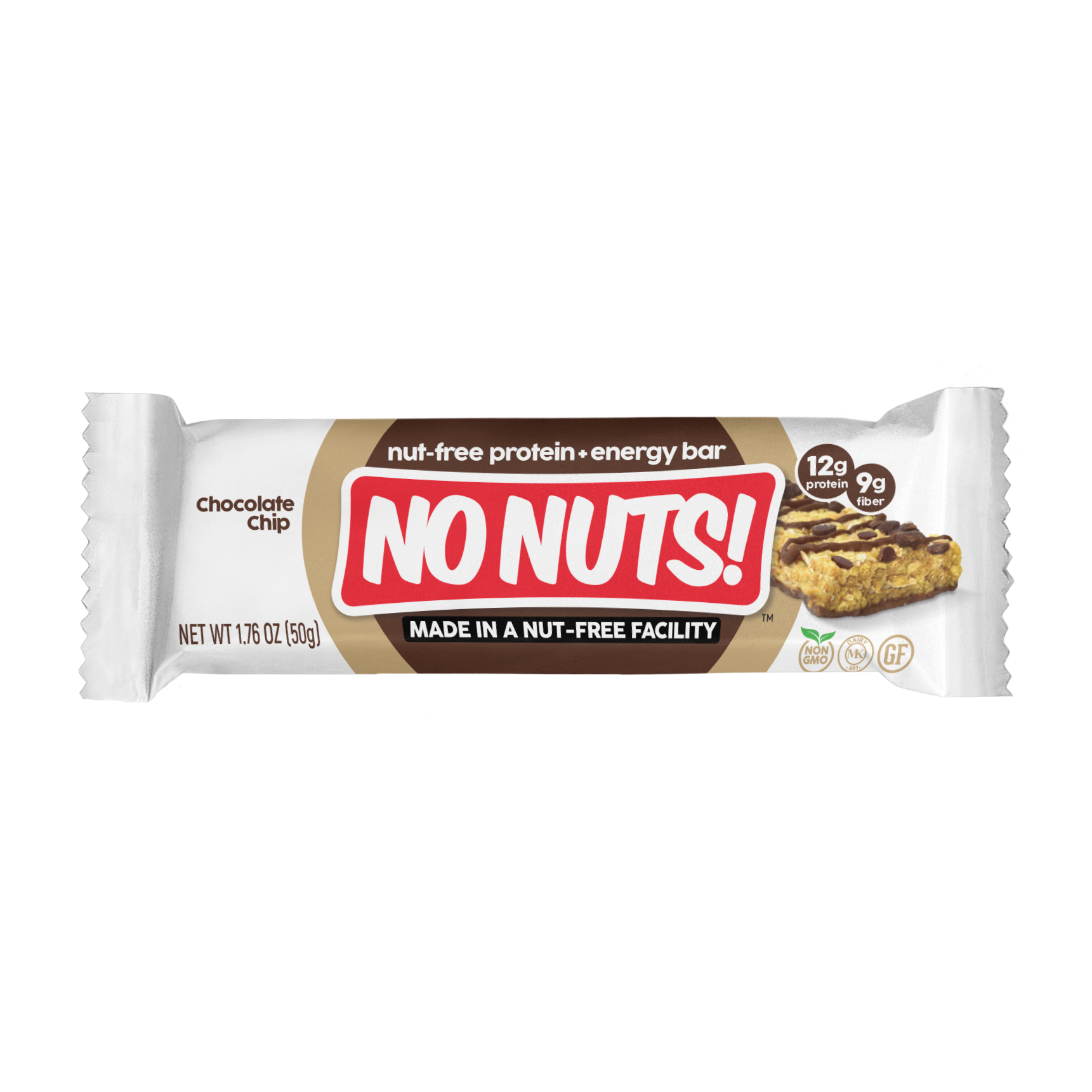
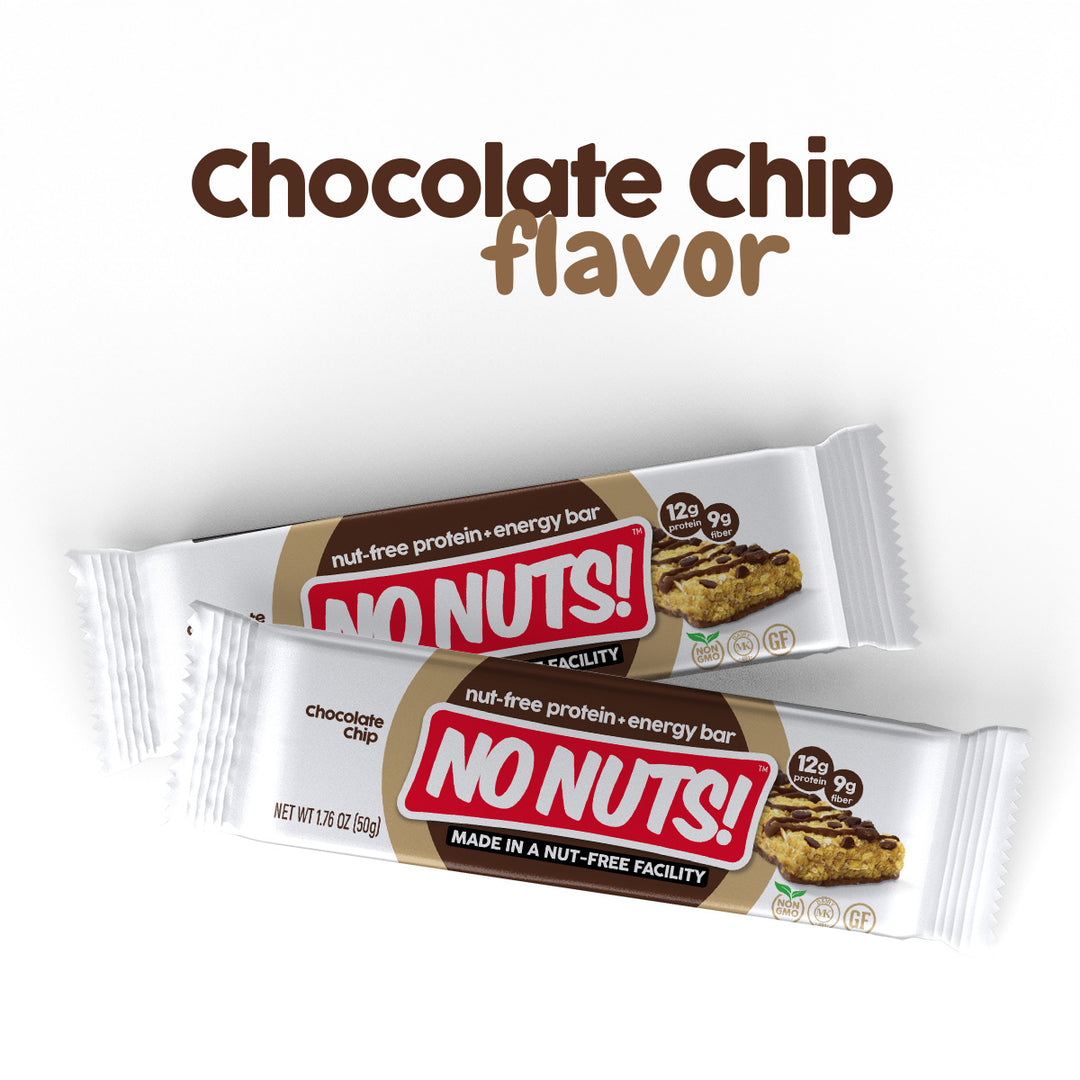
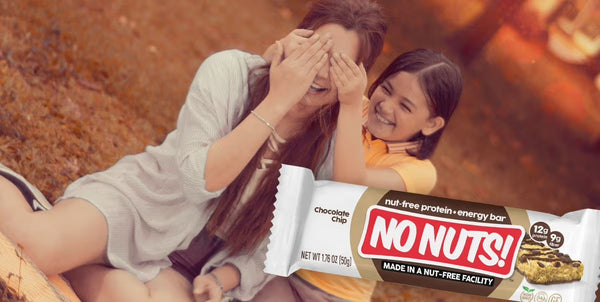
Our No Nuts! Chocolate Chip Snack Bars bring a classic flavor into nut-free kitchens without the worry. Each bar is chewy, chocolatey, and coated on the bottom, with 12 g of protein, 9 g of fiber, and about 190 calories.
A 12-bar box is typically $32.99, or $29.69 with Subscribe & Save, which helps families keep a steady supply of safe snacks on hand.

Variety Pack For Shared Nut-Free Pantries
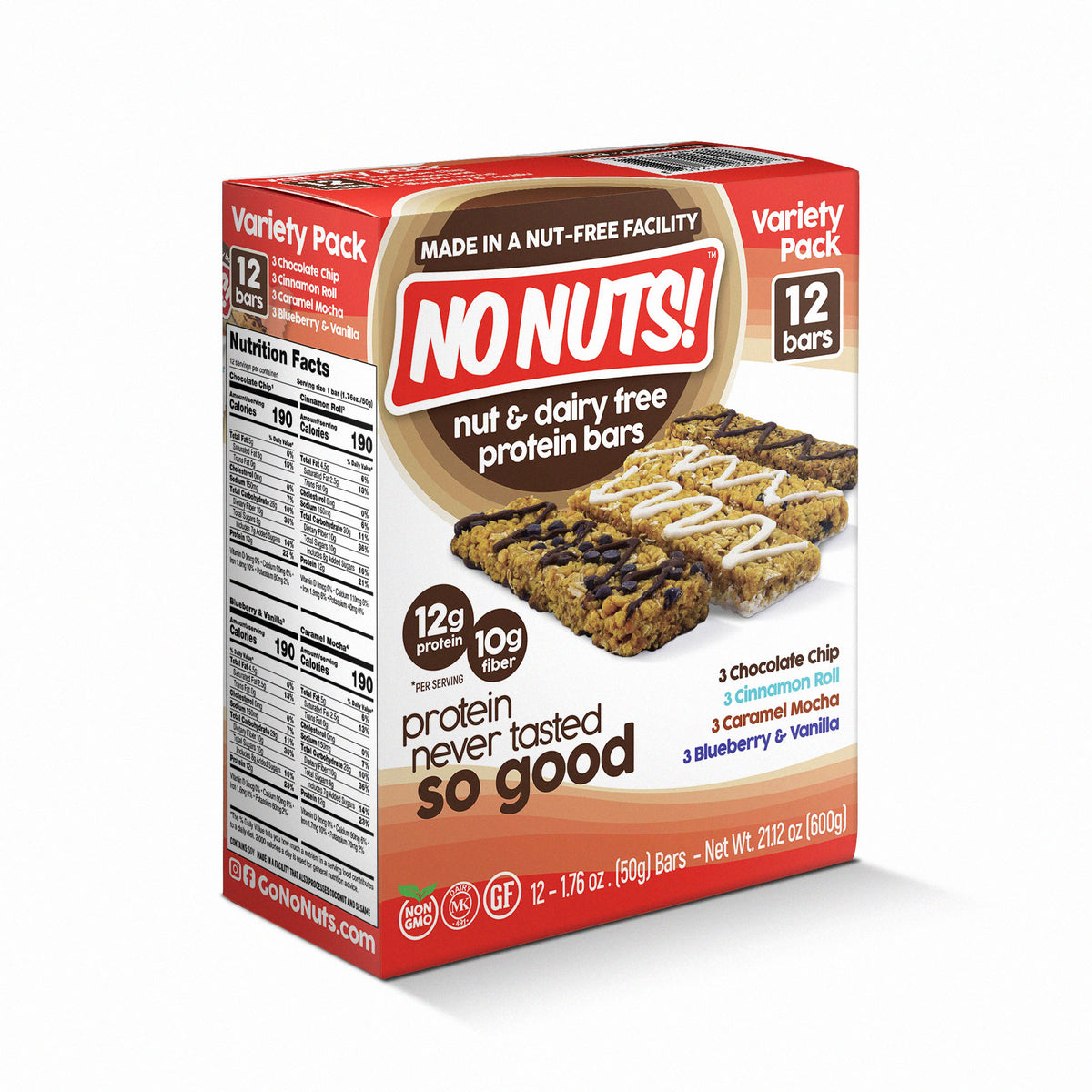
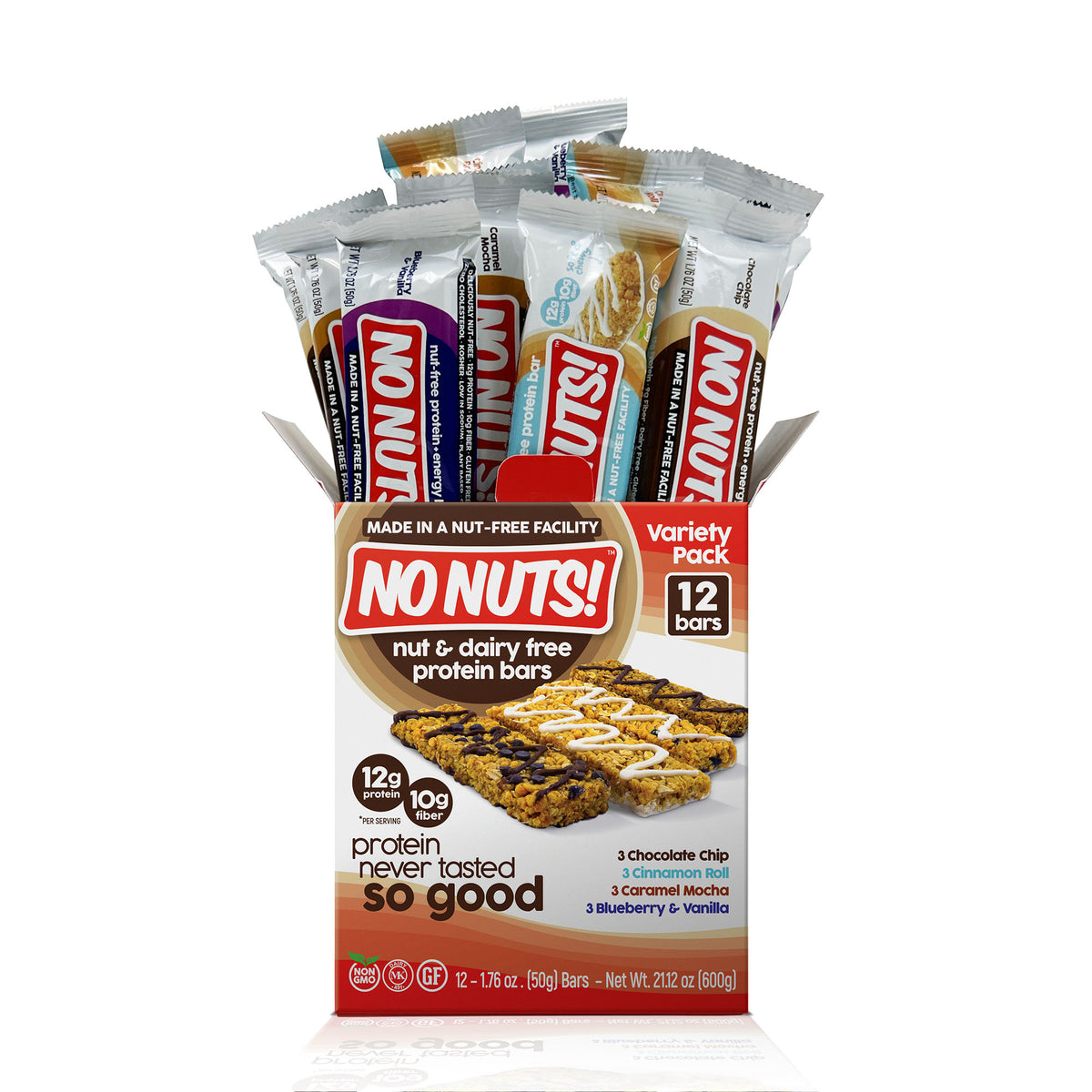
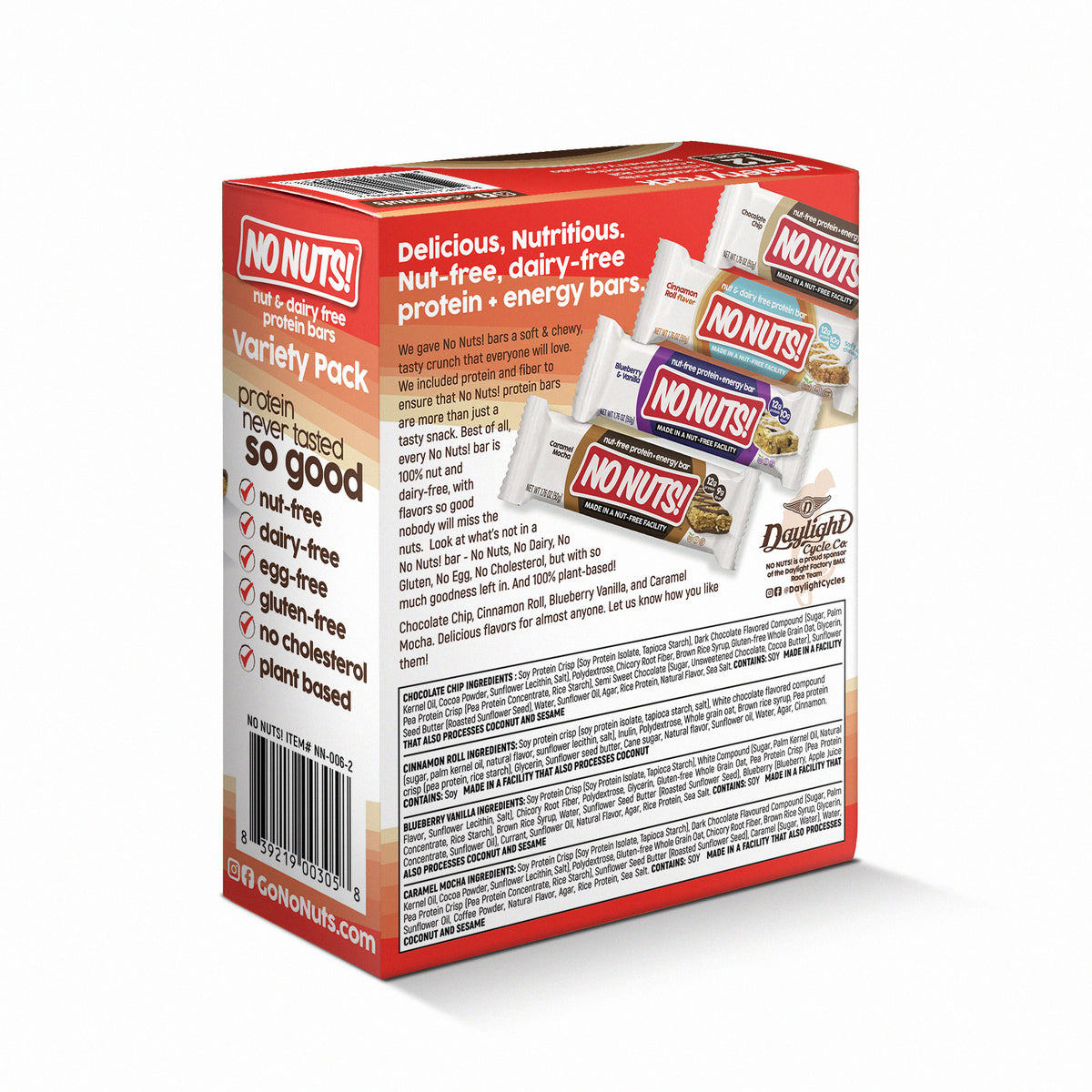
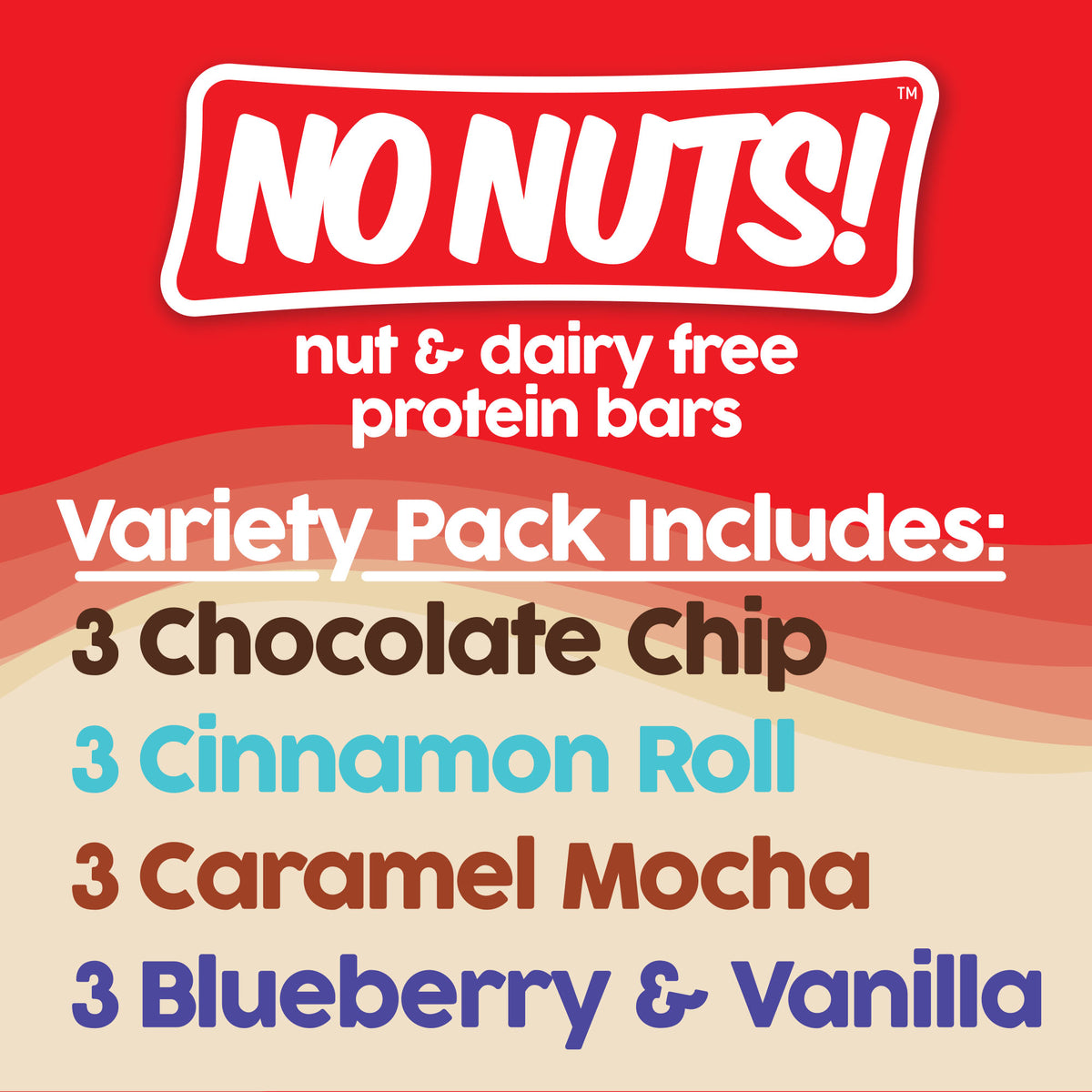
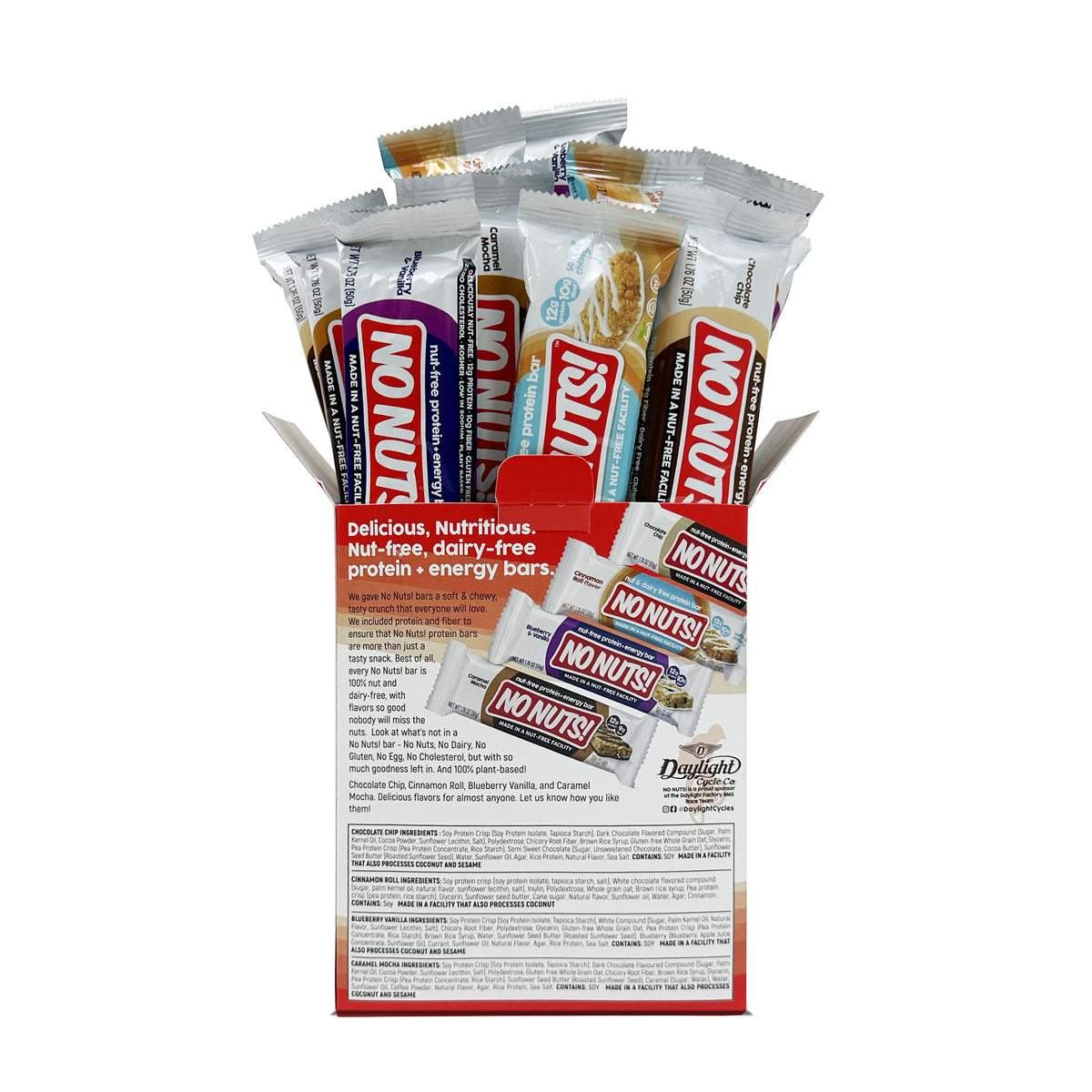
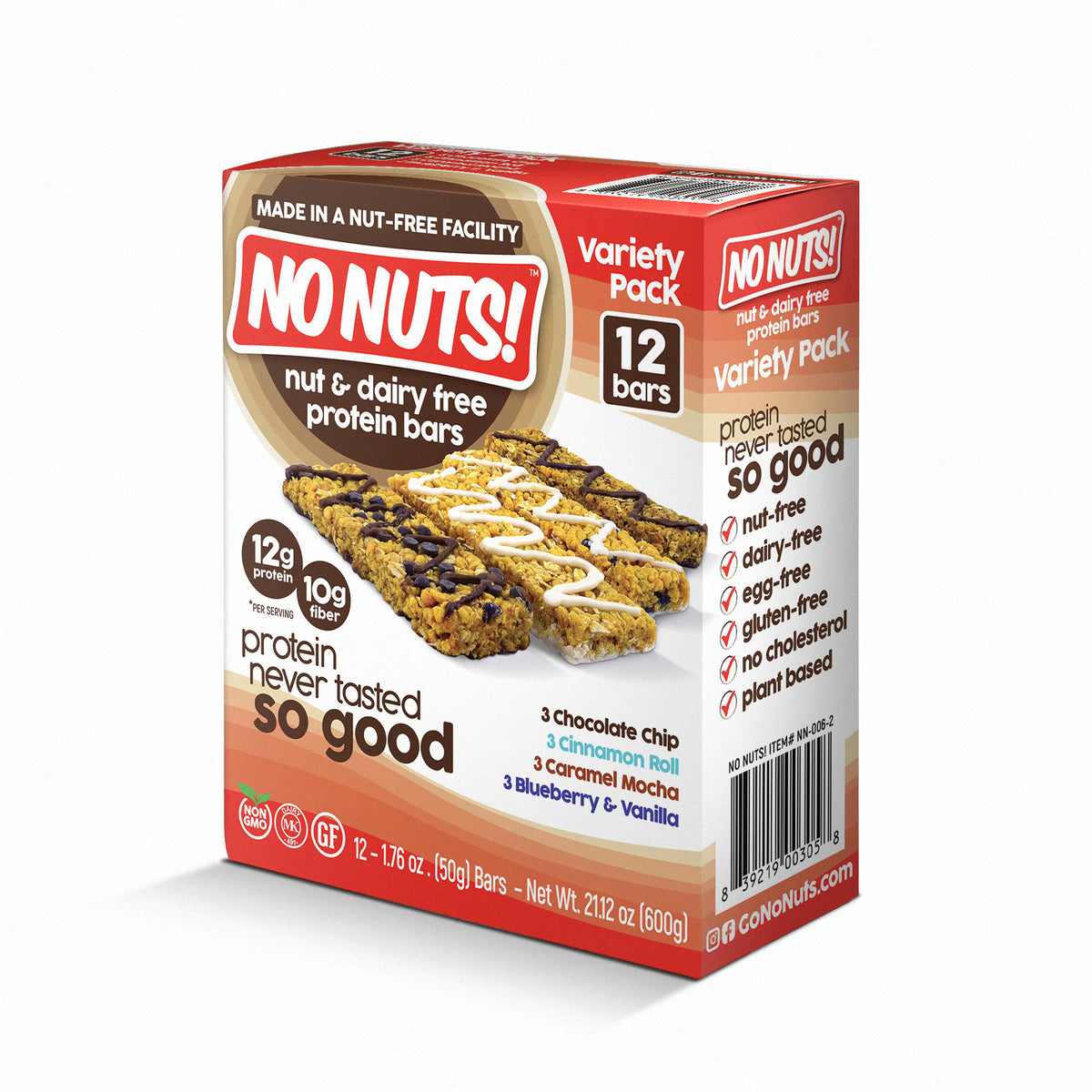
If you are stocking a shared pantry for a classroom, workplace, or family kitchen, variety matters. Our No Nuts! Variety Pack lets everyone try four flavors in a single 12-pack, and every bar is still made in the same nut-free facility.
The pack includes Chocolate Chip, Blueberry Vanilla, Caramel Mocha, and Cinnamon Roll, so there is usually something for every taste while keeping the snack shelf safely nut free.

6. Managing Multiple Allergies In One Kitchen
Many families who avoid nuts also navigate dairy, gluten, or egg allergies. That can feel overwhelming at first, but the same cross-contact principles apply across all of them.
Choosing snacks that are already nut free, dairy free, and gluten free simplifies shopping and preparation. It also means fewer versions of each food in the house, so there are fewer chances to grab the wrong item or tool.
Combining Nut-Free With Dairy-Free And Gluten-Free Needs
Our bars were designed for this reality. They skip nuts, dairy, and gluten, and they are vegan and kosher, which makes them a flexible choice for many households and group settings.
When you build your pantry around items like these, your nut-free kitchen becomes easier to run. You spend less time reading tiny ingredient lists on every box, and more time enjoying snacks together.


Clear Communication With Everyone Who Cooks
In a multi-allergy kitchen, everyone who cooks needs to understand which foods and tools live in the safe zone. A simple chart on the fridge that lists "safe brands" and "do not bring into the kitchen" items can help.
When in doubt, we encourage families to reach out to manufacturers with questions rather than guessing. That extra email or phone call is worth it when it keeps your nut-free kitchen truly safe.

7. Safe Baking And Cooking Without Nuts
Cooking from scratch in a nut-free kitchen can feel intimidating, especially if you are used to nut flours or spreads in recipes. The key is to pick trusted nut-free ingredients and keep preparation in your safe zone.
Use fresh, packaged ingredients with clear labels, and avoid bulk bins that share scoops with nut-containing items. When baking, line pans with parchment paper and use dedicated, clearly labeled tools.
When Nuts Are In The House For Others
Some households keep nut products for non-allergic family members. If that is your situation, timing and separation become critical.
Schedule any nut use at a different time from nut-free baking and clean deeply afterward. Store nut products on a separate shelf, ideally in a different room from your primary nut-free pantry.
Balancing Homemade And Packaged Options
Many families find a balance between homemade meals and packaged nut-free snacks. You might cook dinners from scratch, then lean on safe bars and snacks for lunchboxes and after-school hunger.
This mix lowers the total number of cooking sessions in a shared kitchen, which in turn lowers cross-contact chances. It also makes it easier to keep school-safe snacks set aside and clearly labeled.

8. Packing Nut-Free Lunches And Snacks Safely
Lunchboxes, reusable containers, and snack bins can all carry nut residue from place to place. A nut-free kitchen routine needs to include how you pack and store food for school, sports, and travel.
Wash lunchboxes and water bottles daily with hot, soapy water, especially if they have been near nut-containing foods in the past. For families that share gear, consider having a set that is only used for the nut-allergic family member.
School-Safe Nut-Free Snack Ideas
Many schools and camps now have nut-free policies, and they expect parents to send clearly nut-free options. Individually wrapped snack bars from a nut-free facility are often a simple way to meet those rules.
Our bars were created to be school-safe and inclusive, so kids with and without allergies can share the same snack without worry. Flavors like Chocolate Chip and Blueberry Vanilla feel familiar, just without the nuts.
Group Events, Parties, And Team Snacks
Birthday parties and team snacks often happen away from home, but they still start in your kitchen. Packing clearly labeled nut-free snacks reduces stress for hosts, coaches, and other parents.
We encourage sharing ingredient info in advance when possible. Sending a photo of a nutrition panel, for example, can reassure another parent that your "team snack" is truly nut free and safe to share.

9. Talking To Guests, Babysitters, And Extended Family
Even with great systems, cross-contact prevention in nut-free kitchens still depends on people. Guests, relatives, and babysitters may not realize how serious nut allergies can be.
Short, clear conversations about what is allowed in your kitchen, which snacks are safe, and where nut products should never go can prevent misunderstandings.
Simple House Rules That Protect Your Nut-Free Kitchen
Consider posting a small "House Allergy Rules" sign near the kitchen. For example:
- No peanuts or tree nuts in this kitchen.
- Only open labeled nut-free snacks at this table.
- Wash hands before and after eating.
Turning these into house rules takes pressure off the allergic person and makes safety a shared responsibility.
Helping Others Bring Safe Snacks
When friends or family offer to bring snacks, it is okay to be specific. You can suggest brands you already trust or ask them to stick to unopened packages with clear ingredient labels.
Offering to provide the snacks yourself can also keep your nut-free kitchen consistent. Many families choose to keep a few extra boxes of safe bars on hand just for guests and group events.
10. Long-Term Habits For A Safer Nut-Free Kitchen
Cross-contact prevention is not about perfection. It is about building habits that keep risk low day after day, even when life is busy and schedules change.
Checking labels, cleaning surfaces well, using dedicated tools, and choosing products from nut-free facilities all work together. Over time, these steps turn into a simple daily routine instead of a long checklist.
Reviewing Your Kitchen Setup Regularly
We encourage families to review their nut-free kitchen practices a few times a year. Look for worn-out cutting boards, shared condiments that might need replacement, or new foods that have slipped into the mix without a label check.
Involving kids and teens in that review helps them feel confident and included. It also prepares them to manage nut-free habits when they cook on their own.
Planning For Growth And Changing Needs
Allergies can change over time, and families grow. Adults can even develop peanut allergy later in life, which means nut-free kitchen practices might become important unexpectedly.
Keeping flexible, inclusive systems in place makes it easier to adapt. When your kitchen is already used to clear labels, nut-free zones, and safe snacks, new needs fit right into that structure.
Conclusion
Creating a nut-free kitchen that truly protects against cross-contact is absolutely possible with clear habits and the right products. From defined nut-free zones and dedicated tools to careful label reading and individually wrapped snacks from nut-free facilities, each step reduces hidden risks.
At No Nuts!, we are here to make at least one part of that journey easier. Our nut-free, dairy-free, gluten-free bars are one more tool you can use to keep home, school, and on-the-go snacking simple, inclusive, and as worry free as possible for everyone at the table.

