Is Coconut a Tree Nut? FDA Labeling & Allergy Guide
Jun 24, 2024
Last reviewed: September 2, 2026
Short answer: Coconut is botanically a fruit, not a tree nut. Under the FDA’s current food-allergen labeling guidance, coconut is no longer included in the Tree Nut List used for major-allergen labeling. However, coconut allergy does exist, and having a tree-nut allergy does not automatically determine whether you can safely eat coconut.
Anyone with a diagnosed food allergy should follow their individual allergy plan and consult an allergist before introducing or reintroducing coconut.
Is Coconut a Tree Nut or a Fruit?
Botanically, coconut is a fruit—more specifically, a type of drupe. It is not closely related to tree nuts such as almonds, walnuts, cashews, pistachios, or pecans.
The confusion comes partly from the name “coconut” and partly from older U.S. allergen-labeling guidance that included coconut in a list of tree nuts. That federal guidance changed in 2025.
Is Coconut Allergy the Same as Tree-Nut Allergy?
No. Coconut allergy and tree-nut allergy are separate food allergies. A person can be allergic to coconut without being allergic to almonds, walnuts, or other tree nuts. Likewise, a person with a tree-nut allergy may be able to tolerate coconut.
The American College of Allergy, Asthma & Immunology notes that many people with tree-nut allergies can eat coconut. Individual reactions and medical histories differ, however, so this should not be treated as a universal safety rule.
If you have a tree-nut allergy and have never eaten coconut—or previously experienced symptoms after eating it—ask your allergist for personalized guidance. Do not use a general article as a substitute for your allergy action plan.
To learn more about recognizing food-allergy symptoms, read our nut allergy guide .
Does the FDA Consider Coconut a Major Food Allergen?
Under the FDA’s fifth-edition food-allergen labeling guidance, issued in January 2025, coconut is no longer included in the agency’s Tree Nut List. The FDA therefore no longer treats coconut as a major food allergen under the labeling requirements that apply to the tree nuts on that list.
This is a change from earlier FDA guidance. Articles and food-label resources published before 2025 may still say that the FDA classifies coconut as a tree nut.
The change does not mean that coconut cannot cause an allergic reaction. It means coconut is no longer subject to the same major-allergen declaration requirements as the tree nuts included in the FDA’s current list.
Read the FDA’s current food-allergen labeling FAQ or our article about the FDA coconut-labeling update .
How Does Coconut Appear on Food Labels?
When coconut is used as an ingredient, it generally must still appear by name in the ingredient list. Under current FDA guidance, however, it may no longer appear in a separate “Contains” statement reserved for major food allergens.
Consumers may continue to encounter older packages that list coconut in the “Contains” statement during the labeling transition. Product ingredients can also change, so check the complete label every time you purchase a food—even if you have bought it safely before.
If you have a coconut allergy:
- Read the complete ingredient list, not only the “Contains” statement.
- Look for coconut milk, cream, flour, oil, flakes, and other coconut-derived ingredients.
- Check precautionary statements concerning shared equipment or facilities.
- Contact the manufacturer when the label or manufacturing information is unclear.
- Follow the avoidance and emergency plan provided by your allergist.
Can Someone With a Tree-Nut Allergy Eat Coconut?
A tree-nut allergy does not automatically require avoiding coconut. Nevertheless, individual allergies vary, and allergic reactions to coconut have been documented.
Your allergist can assess your medical history and determine whether testing or a medically supervised food challenge is appropriate. Never perform a food challenge at home when there is a risk of a serious reaction.
What About Nut-Free Schools and Shared Spaces?
School, camp, airline, and workplace policies may use “nut-free” more broadly than federal labeling rules. Some organizations may restrict coconut while others may not.
Follow the organization’s written policy and the student’s individual allergy plan. If the policy is unclear, ask the school nurse or program administrator before sending a coconut-containing product.
Choosing Snacks When Avoiding Peanuts and Tree Nuts
People avoiding peanuts and tree nuts should look beyond the recipe and examine ingredient sourcing, allergen statements, shared equipment, and facility controls.

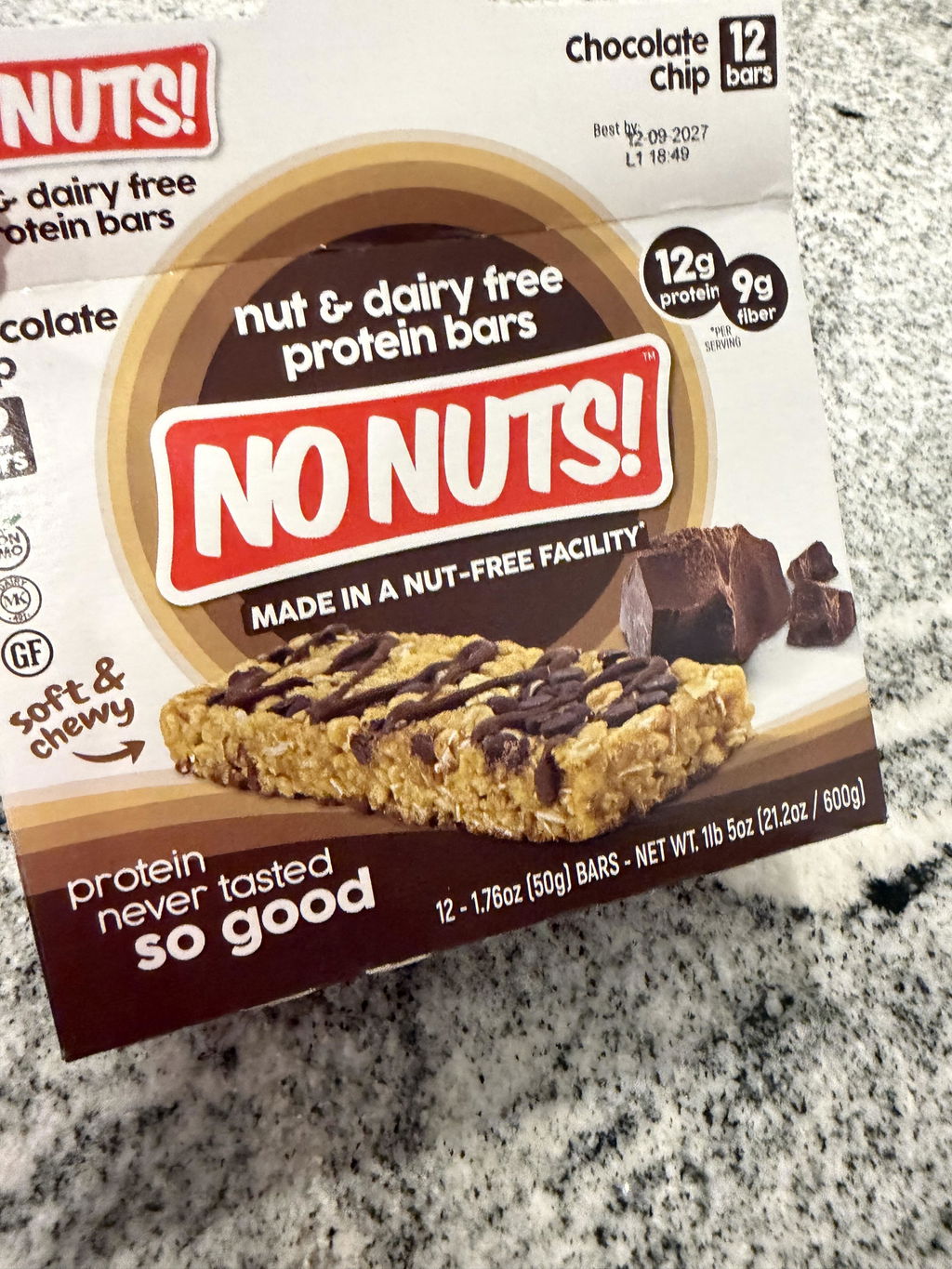
Explore the No Nuts! Variety Pack for an option made without peanuts and tree nuts. If you have a coconut allergy or another food allergy, review the current ingredient information for each product before purchasing.
Frequently Asked Questions
Is coconut a tree nut?
Botanically, no. Coconut is a fruit classified as a drupe. Under the FDA’s current labeling guidance, it is also no longer included in the agency’s Tree Nut List for major-allergen labeling.
Is coconut a major allergen in the United States?
Coconut is not included in the FDA’s current Tree Nut List used for major-food-allergen labeling. Coconut can still cause an allergic reaction, and it generally must be identified when used as an ingredient.
Does a tree-nut allergy include coconut?
Not automatically. Coconut allergy and tree-nut allergy are distinct. People with a tree-nut allergy should ask their allergist whether coconut belongs in their personal avoidance plan.
Will coconut still appear on a food label?
Coconut generally appears in the ingredient list when it is an ingredient. It may not appear in a separate “Contains” statement, and older packaging may follow previous labeling practices.
Is coconut permitted in a nut-free school?
That depends on the school’s policy and individual student allergy plans. Ask the school rather than assuming that federal labeling guidance determines its rules.
The Bottom Line
Coconut is botanically a fruit, and the FDA no longer includes it in the Tree Nut List used for major-allergen labeling. That does not make coconut universally safe: coconut allergy exists, and personal medical guidance should take priority.
Read the complete ingredient list every time, follow your allergy action plan, and contact the manufacturer or your allergist whenever information is uncertain.
Sources
- U.S. FDA: Frequently Asked Questions About Food-Allergen Labeling Guidance
- American College of Allergy, Asthma & Immunology: Tree-Nut Allergy
This article provides general educational information and is not a substitute for diagnosis or advice from a qualified medical professional.