Why Federal and State Agencies Are Moving Toward Nut‑Free Food Options (And What That Means For Your Program)
Dec 16, 2025
Food allergies are no longer a rare concern. About 6.2% of U.S. adults and 5.8% of U.S. children have a food allergy, which means every cafeteria line, training event, and public program that serves food is likely feeding people at risk. That is a big reason federal and state agencies are increasingly choosing nut‑free options as the safer, more inclusive default. As a nut‑free snack brand, we work every day with schools, offices, and public programs that need food everyone can enjoy without worry. In this guide, we break down why government buyers lean nut‑free, how that connects to allergy regulations, and where options like our No Nuts! snack bars fit into their standards and budgets.
Key Takeaways
| Question | Answer |
|---|---|
| Why do federal and state agencies prefer nut‑free food options? | Nut allergies are a leading cause of severe reactions, so nut‑free foods reduce liability, protect visitors and staff, and simplify safety compliance in cafeterias and programs. |
| How do agencies meet allergy‑safety guidelines? | They follow frameworks like CDC Food Service Guidelines and FDA allergen labeling rules, then choose clearly nut‑free, labeled options such as our No Nuts! snack bars collection. |
| Are nut‑free snacks really safer for high‑traffic facilities? | Yes, especially in public spaces serving children or large groups. With peanut allergy being a top cause of life‑threatening reactions, nut‑free snacks help prevent incidents in government buildings. |
| Can agencies still offer variety if they go nut‑free? | Absolutely. Agencies often use variety packs and samplers, like our No Nuts! Variety Pack, 12‑bar box, to keep menus interesting while staying nut‑free. |
| How do government buyers verify ingredients and allergens? | They rely on clear labels and public ingredient pages. We support this with our detailed nut‑free ingredients & nutrition facts for each flavor. |
| Where can agencies find detailed allergy & handling info? | We keep a dedicated Frequently Asked Questions page so buyers can quickly confirm nut‑free facilities, cross‑contact practices, and school‑safe suitability. |
| Do you support larger, ongoing government or institutional orders? | Yes, we offer wholesale partnerships for agencies, institutions, and distributors who need reliable, nut‑free snack inventory. |
1. The Growing Allergy Landscape In Government Settings
Federal and state facilities serve a cross‑section of the entire population, from children in youth programs to older adults using public services. With 1 in 13 U.S. children living with a food allergy, agencies cannot treat severe reactions as rare events. Nut allergies, especially peanut, are both common and potentially life‑threatening. Public cafeterias, training centers, and on‑site kiosks increasingly adopt nut‑free baselines so staff do not have to make case‑by‑case decisions in busy service lines. When food is nut‑free to start with, agencies remove one of the highest‑risk allergens from daily operations. That is a powerful step toward safer buildings and events.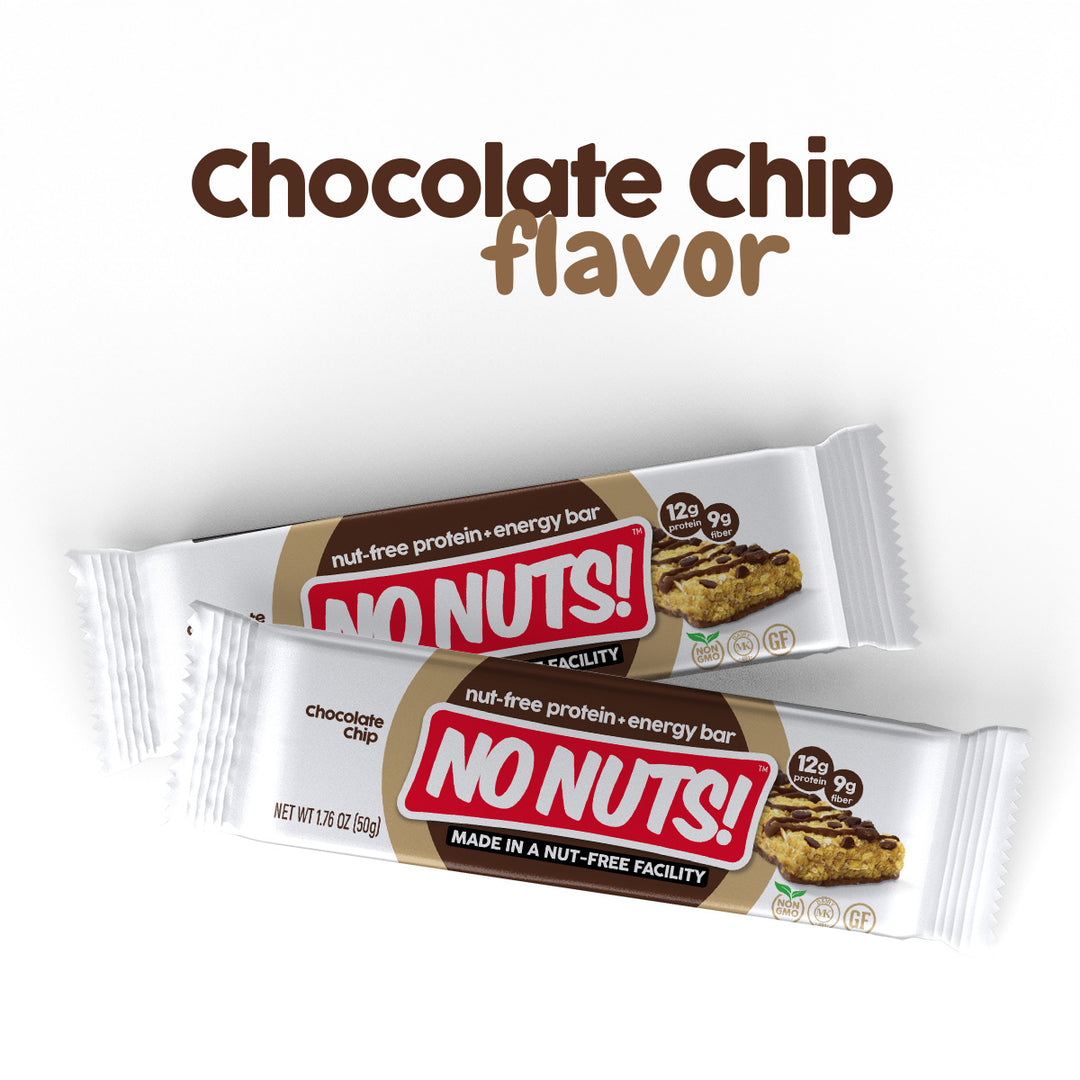

2. Why Nuts Are A High‑Risk Allergen For Public Facilities
Peanut allergy is the leading cause of life‑threatening anaphylaxis, which is exactly the type of emergency federal and state agencies work hard to avoid in their buildings. Unlike many other foods, even a small amount of nut protein, or residue from shared surfaces, can trigger a serious reaction in sensitive individuals. In facilities that serve hundreds or thousands of people each day, it is simply not realistic to track who is allergic in real time. By choosing nut‑free snacks and ingredients, agencies lower the odds of accidental exposure in shared spaces like conference rooms, waiting areas, and cafeterias. That protects the public and also reduces strain on on‑site medical teams and local emergency departments.

3. How Federal Guidelines And Allergen Laws Shape Nut‑Free Choices
Federal and state agencies do not operate in a vacuum. They follow national frameworks, such as CDC Food Service Guidelines for Federal Facilities, that encourage safer, healthier, and more inclusive food environments. These guidelines are often adopted or adapted by state and local programs too. On the labeling side, U.S. law requires clear disclosure of major allergens. Eight core allergens are listed under FALCPA, and sesame was added as the ninth by the FASTER Act in 2023. Tree nuts and peanuts sit right inside that group, so clearly labeled nut‑free foods simplify compliance and make procurement reviews easier for agency buyers.

4. School‑Safe, Facility‑Safe: Why Child‑Focused Programs Go Nut‑Free
Many federal and state programs serve children directly, whether through education, after‑school programs, summer feeding, or youth outreach. Since around 8% of U.S. children have a food allergy, any program that includes kids must assume some level of allergy risk. Nut‑free food policies are one of the simplest protective measures. Our own snack bars were created with that need in mind. Every No Nuts! flavor is made in a 100% nut‑free facility, with no dairy, no eggs, gluten‑free ingredients, and non‑GMO recipes. That combination means our bars are not just nut‑free on the label, they are designed for school‑safe and program‑safe snacking across many different dietary needs.

5. Why Agencies Like Individually Wrapped, Clearly Labeled Nut‑Free Bars
From a practical standpoint, federal and state buyers often look for snacks that are easy to distribute, easy to store, and easy to account for during audits or inspections. Individually wrapped, labeled nut‑free bars check all of those boxes. Staff can hand them out at trainings, conferences, or field events without extra prep work. Our No Nuts! snack bars are labeled nut‑free, gluten‑free, dairy‑free, egg‑free, and non‑GM, and each bar provides around 12 g of protein with 9 to 10 g of fiber. That allows agencies to support both allergy safety and basic nutrition in one simple item, instead of juggling separate “safe” and “standard” snack lines.

6. Balancing Safety, Variety, And Cost With Nut‑Free Snack Packs
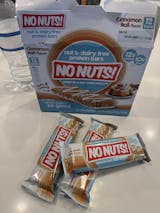
Agencies rarely want just one flavor or one format, especially when snacks appear in break rooms, vending machines, and event tables. The challenge is keeping variety without bringing allergens back into the mix. Nut‑free variety packs and samplers give procurement teams flexibility inside a single safe product family. Our No Nuts! Variety Pack includes four flavors, Chocolate Chip, Cinnamon Roll, Blueberry & Vanilla, and Caramel Mocha, in a 12‑bar box priced at $32.99 (and $29.69 on subscription). For trial or smaller teams, the 4‑Pack Sampler at $14.99 lets programs test flavors before they commit to larger recurring orders.
| Product | Pack Size | Price | Use Case |
|---|---|---|---|
| No Nuts! Variety Pack | 12 bars | $32.99 (or $29.69 subscription) | Ongoing cafeteria, office, and program stocking |
| No Nuts! 4‑Pack Sampler | 4 bars | $14.99 | Menu testing, pilot programs, small events |


7. Inside A Dedicated Nut‑Free Facility: What Agencies Look For
When federal and state procurement teams evaluate food vendors, they dig beneath the front label. They often ask how and where products are made, and whether there is any shared equipment with peanuts or tree nuts. A dedicated nut‑free facility gives them clear, confident answers. All No Nuts! bars are produced in a 100% nut‑free facility, so there is no peanut or tree nut processing on site. In addition, our recipes are dairy‑free, egg‑free, gluten‑free, and non‑GMO, which helps agencies that must support multiple allergy and dietary needs under one contract.

8. Protein‑Rich, Plant‑Based Snacks Agencies Can Serve Every Day
Federal guidelines increasingly encourage plant‑based, lower‑risk options in cafeterias and vending. In 2024, nearly 88% of federal facilities reviewed were offering plant‑based dishes at least five days a week, up sharply from the previous year. Nut‑free, plant‑based snacks fit right into that shift. Our bars use plant‑based protein and provide about 12 g of protein per bar with substantial fiber, so they work as quick meal support for staff on duty as well as visitors. Flavors like Chocolate Chip and Blueberry & Vanilla keep that nutrition approachable, which is important when snacks need to appeal to a wide public audience.
9. Practical Example: No Nuts! Flavors Agencies Commonly Choose
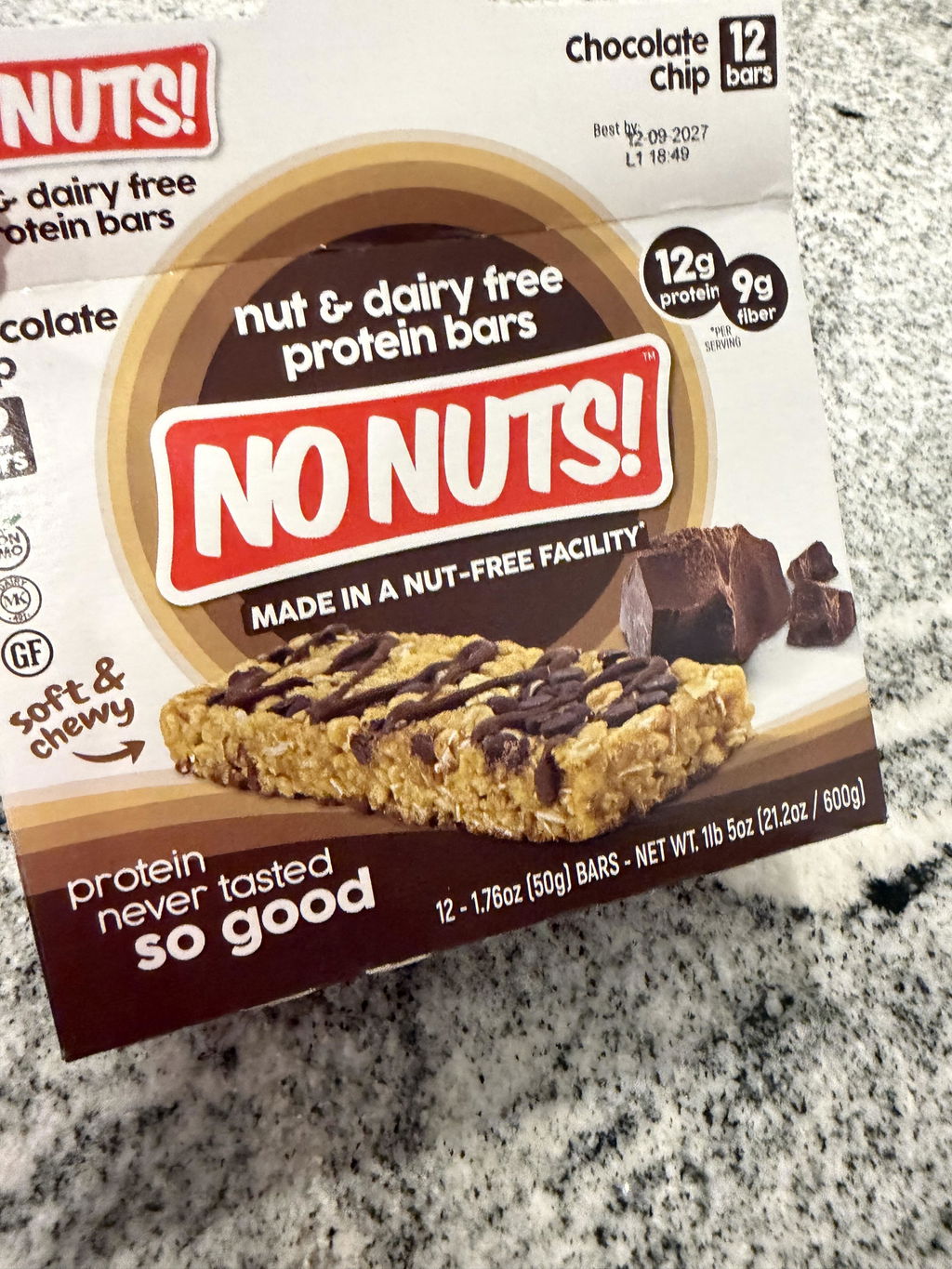
When agencies look at specific nut‑free options, they usually want classic flavors that appeal to a broad audience. Two of our most requested are the Chocolate Chip Snack Bars and the Blueberry & Vanilla Snack Bars, both in 12‑bar packs at $32.99 each or subscription pricing where applicable. We also see interest in more distinctive options like Chocolate Caramel Mocha Snack Bars, which bring a coffeehouse flavor profile into a fully nut‑free, dairy‑free, gluten‑free bar. With multiple flavors sharing the same allergen‑safe profile, agencies can rotate inventory by taste, not by allergy risk.
10. Supporting Procurement: Ingredients, Documentation, And Wholesale
For government buyers, having documentation ready is just as important as having the right product. That is why we maintain a dedicated ingredients and nutrition page, plus a FAQ that answers common questions about our nut‑free facility, protein content, and school‑safe status. It helps purchasing teams verify details quickly. When agencies move from one‑time trials to ongoing stocking, our wholesale and distributor programs become important. We work with partners via platforms like Faire and direct wholesale so that federal and state programs can secure stable, contract‑friendly pricing while keeping their food environment reliably nut‑free.

11. Real‑World Flexibility: Using Nut‑Free Bars Across Different Agency Settings
One reason federal and state agencies prefer nut‑free choices is versatility. The same individually wrapped bar can work in a courthouse snack stand, a state university office break room, a DMV waiting area, and a federal training center. That simplifies ordering and inventory across multiple sites. Our bars appear in settings where staff are on the move and visitors may not have regular access to meals. With simple flavors, high protein, and clear nut‑free labeling, program managers can confidently offer them to a wide audience, from allergy sufferers to people who just want a quick, satisfying snack.

Conclusion
Federal and state agencies are choosing nut‑free food options because they have to feed entire communities safely, not just the people without allergies. With food allergies affecting millions of Americans and nuts driving some of the most severe reactions, removing nuts from everyday snacks is one of the clearest, most practical safety steps they can take. We built No Nuts! bars to support that mission: nut‑free from the facility level up, clearly labeled, protein‑rich, and available in multiple familiar flavors. Whether you are managing a single public program or a multi‑site government food service operation, nut‑free snacks help you protect visitors and staff, simplify compliance, and keep everyone included at the table.