May Contain Nuts vs Made in a Facility With Nuts: What Parents Need to Know
Oct 29, 2026
When it comes to reading labels, understanding May Contain Nuts vs Made in a Facility With Nuts: What Parents Need to Know can feel overwhelming, especially for families managing food allergies in 2026. In fact, 1 in 13 children in the U.S. has a food allergy, which means these label differences affect classrooms, playdates, and everyday Snacks more than ever.
Key Takeaways
| Question | Answer |
|---|---|
| What does "may contain nuts" mean? | It signals possible cross-contact during manufacturing, even if nuts are not ingredients. |
| What does "made in a facility with nuts" mean? | It indicates nuts are present somewhere in the facility, but not necessarily on the same equipment. |
| Are either labels regulated? | No, both are voluntary precautionary statements, as explained in FDA labeling guidance. |
| Which is safer? | Neither guarantees anything. Many parents prefer products made in dedicated nut-free facilities. |
| What Snacks are safest for school? | Nut-Free, Dairy-Free Bars made in dedicated nut-free facilities. |
| Where can I learn more? | Check this guide on how to read nut-free labels. |
Understanding May Contain Nuts vs Made in a Facility With Nuts: What Parents Need to Know
The difference between these two labels comes down to risk communication, not guarantees.
“May contain nuts” typically means a product could have been exposed to nuts through shared equipment or production lines.
“Made in a facility with nuts” means nuts are present somewhere in the building, but not necessarily in the same production area.
For parents choosing Snacks, Bars, and lunchbox staples, both labels require caution, especially when managing severe allergies.
Why These Labels Exist in 2026
Food manufacturers use precautionary allergen labeling to reduce liability and communicate potential cross-contact risks.
However, these labels are still not standardized, which means interpretation varies between brands.
That is why many families now prioritize clearly labeled Nut-Free and Dairy-Free Snacks instead of relying on ambiguous warnings.
May Contain Nuts vs Made in a Facility With Nuts: What Parents Need to Know About Risk Levels
Let’s break down how risk differs in practical terms when choosing Snacks for kids.
- May contain nuts: Higher perceived risk due to shared equipment
- Facility with nuts: Lower perceived risk, but still possible exposure
- Made in a dedicated nut-free facility: Lowest risk of the three
Still, neither label guarantees the absence of allergens, which is why many parents avoid both entirely.
Best Nut-Free Snacks and Bars for School and Everyday Use
When navigating May Contain Nuts vs Made in a Facility With Nuts: What Parents Need to Know, the safest choice is often switching to products made in dedicated facilities.
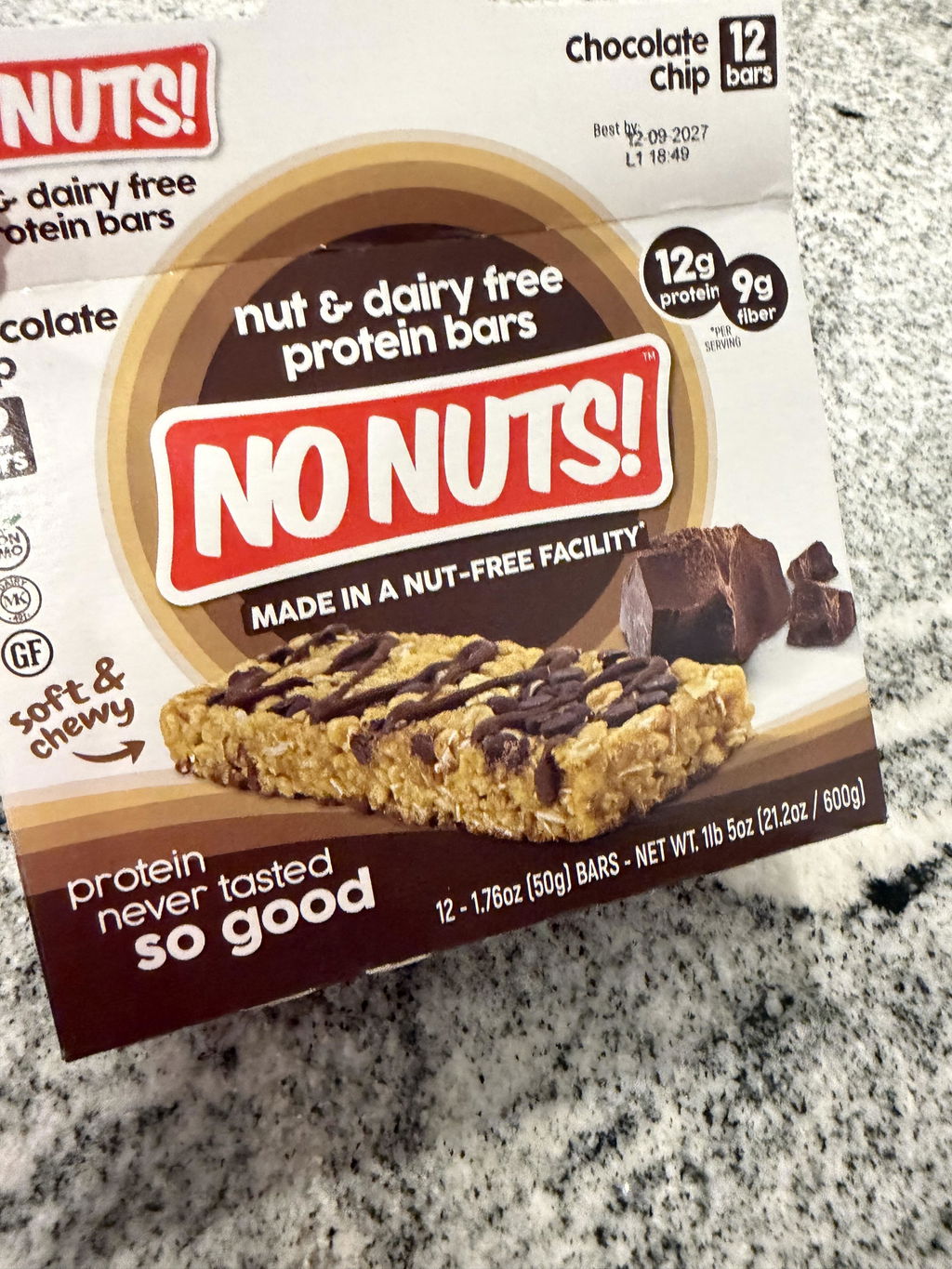
We recommend options like No Nuts! Bars, which are Nut-Free, Dairy-Free, gluten-free, and produced in a dedicated nut-free facility.

These Bars are designed specifically for environments like schools and camps where nut-free rules matter most.
They also provide a convenient solution for parents who want grab-and-go Snacks without label anxiety.
How to Read Labels Like a Pro (Especially for Snacks and Bars)
Understanding May Contain Nuts vs Made in a Facility With Nuts: What Parents Need to Know starts with reading beyond the front of the package.
- Check the ingredient list first
- Look for allergen statements below ingredients
- Watch for multiple warning phrases
- Prioritize clear Nut-Free and Dairy-Free claims backed by a dedicated facility
For deeper guidance, visit the brand’s ingredients and nutrition page to verify transparency.
Nut-Free vs Dairy-Free Snacks: Why Both Matter
Many parents searching for safe Snacks quickly realize that allergies often overlap.
That is why choosing products that are both Nut-Free and Dairy-Free provides an added layer of confidence.
No Nuts! Bars meet both criteria, making them suitable for classrooms, parties, and shared environments.
This dual labeling is especially helpful for families managing multiple allergens.
May Contain Nuts vs Made in a Facility With Nuts: What Parents Need to Know for Schools and Camps
Schools and camps in 2026 continue to enforce strict food policies due to rising allergy rates.
Many now require completely Nut-Free Snacks and discourage any items with precautionary labels.

Bulk Snack Bars designed for these environments help reduce risk and simplify planning.
Parents can also explore options for nut-free event snacks when organizing group activities.
Why Dedicated Facilities Matter More Than Labels
The safest approach goes beyond label wording and focuses on where food is made.
Products from a dedicated nut-free facility remove much of the uncertainty behind “may contain” or “facility with nuts” warnings.
This is why many families rely on brands with strict manufacturing controls rather than ambiguous labels.
When in doubt, choose Snacks made in a fully Nut-Free facility instead of interpreting precautionary statements.
Real Parent Strategy: How We Choose Safe Snacks in 2026
We follow a simple approach when evaluating Snacks and Bars for kids.
- Skip products with unclear precautionary labels
- Choose Nut-Free and Dairy-Free options from dedicated nut-free facilities
- Prioritize trusted brands with transparent practices
- Stick to consistent go-to Snacks for school and travel
Parents can also review brand transparency through resources like the No Nuts FAQ page, which explains safety practices and cross-contamination controls.
Conclusion
Understanding May Contain Nuts vs Made in a Facility With Nuts: What Parents Need to Know is essential for making safe, confident food choices in 2026.
While both labels signal potential risk, neither offers certainty, which is why many families turn to Nut-Free, Dairy-Free Snacks and Bars made in dedicated nut-free facilities.
By focusing on transparency, trusted brands, and consistent choices, we can simplify snack time and reduce unnecessary worry.
Frequently Asked Questions
Is “may contain nuts” worse than “made in a facility with nuts” in 2026?
Generally, “may contain nuts” is considered higher risk because it often involves shared equipment. However, both labels fall under precautionary warnings in May Contain Nuts vs Made in a Facility With Nuts: What Parents Need to Know.
Can kids with allergies eat foods made in a facility with nuts?
Some can, depending on sensitivity, but many allergists recommend avoiding both labels. That is why Nut-Free Snacks are often preferred.
Are Nut-Free labels more reliable than precautionary labels?
Yes, especially when products are made in dedicated facilities. This reduces cross-contact risk compared to “may contain” or “facility” warnings.
What are the safest Snacks for school lunches?
Nut-Free, Dairy-Free Bars made in dedicated nut-free facilities are among the best options. They fit most school allergy policies and lower the risk of cross-contact.
Why are there so many different allergen labels?
Because precautionary labeling is not standardized, companies use different wording. This is a key issue highlighted in May Contain Nuts vs Made in a Facility With Nuts: What Parents Need to Know.
Should I avoid all Snacks with precautionary labels?
Many parents do, especially for young children or severe allergies. Choosing nut-free alternatives from dedicated facilities can make those decisions easier.
How can I quickly identify safe snack Bars while shopping?
Look for clear Nut-Free and Dairy-Free claims and check if the product is made in a dedicated facility. This simplifies decisions when comparing labels.
A note on allergies: This article is general information, not medical advice. Ingredients and facility practices can change, so always read the full label and allergen statement before eating any food, and talk with your doctor or allergist about your own needs.
No Nuts! protein bars (Chocolate Chip, Blueberry & Vanilla, Caramel Mocha and Cinnamon Roll) are made in a nut-free facility, and every ingredient is listed on our ingredients page. Our Chewy Chocolate Chip Granola Bars are made without the 9 major U.S. allergens (including soy); the facility also processes coconut.