Hidden Peanut Ingredients You Might Miss: A 2026 Shopping Guide for Safer Snacks and Bars
Jun 25, 2026
Hidden peanut ingredients you might miss show up in far more products than most shoppers expect, and the research backs that up. A study published in Allergy, Asthma & Clinical Immunology found that 55% of peanut-allergic patients experienced a subsequent accidental reaction over a median period of 5.5 years, often triggered by ingredients they never expected to contain peanuts.
We built this guide to help you spot those hidden peanut ingredients before they end up in your cart, and to point you toward nut-free, dairy-free snacks and bars that skip the guesswork entirely.
Key Takeaways
| Question | Quick Answer |
|---|---|
| What are the most common hidden peanut ingredients? | Arachis oil, hydrolyzed vegetable protein, natural flavoring, mixed nuts, and mandelonas are among the terms that can mean peanuts. |
| Why do labels miss peanut ingredients so often? | Manufacturers can use technical or blended terms that don't say "peanut" directly, which is why hidden peanut ingredients you might miss are so common on packaged foods. |
| Are peanut-free bars and snacks safer? | Yes, when they're made in a dedicated nut-free facility, cross-contamination risk drops significantly. |
| What's a good peanut butter alternative? | Seed butters (sunflower, pumpkin, watermelon) and chickpea-based spreads work well as swaps. |
| Where can I check a product's full allergen list? | The No Nuts! Food Allergen Database is a solid starting point for checking brands before you buy. |
| Do children outgrow peanut allergies? | Only 15-22% of children outgrow their peanut allergy, so most people manage hidden peanut ingredients for life. |
| Where can I see exact bar ingredients? | Check the full ingredients and nutrition facts page before buying any new bar flavor. |
Where Hidden Peanut Ingredients You Might Miss Turn Up in Everyday Foods
Hidden peanut ingredients you might miss aren't limited to obvious foods like peanut butter cups or trail mix. They show up in sauces, baked goods, cereals, and even some pet foods.
Peanuts are among just eight foods responsible for more than 90% of all food allergies, which is why manufacturers use them so widely as a cheap protein or fat source. That widespread use is exactly why hidden peanut ingredients slip into products that seem unrelated to peanuts at all.
Common hiding spots include:
- Baked goods that use peanut flour as a filler or texture booster
- Sauces and dressings that list "natural flavoring" without specifying the source
- Chili and mole recipes that use ground peanuts as a thickener
- Energy bars and granola that use peanut oil in the base
- Pet treats and pet food, which can cross-contaminate kitchen surfaces
Hidden peanut ingredients in packaged and restaurant foods are a leading driver of accidental allergic reactions.
Peanut-Free Butter Alternatives: Swapping Out Hidden Peanut Ingredients
The peanut butter jar is often the first thing to go in a peanut-free household, but the good news is there are plenty of spreads that fill the gap without any of the hidden peanut ingredients you might miss on a traditional label.
Seed butters made from sunflower, pumpkin, and watermelon seeds have become popular swaps because they match the texture and protein content of peanut butter.
88 Acres makes several of these options, and they're formulated to be dairy-free, gluten-free, and completely free of peanuts.
Beyond the pumpkin version, the brand's sunflower seed butter and watermelon seed butter both use single-ingredient seed bases, so there's less label-reading involved.
For chickpea-based spreads, brands like Field Trip offer a legume-based alternative that skips seeds and nuts entirely, which is worth exploring on our peanut butter alternatives and spreads collection.
Nut-Free Snacks and Bars That Skip the Guesswork
When it comes to grab-and-go options, nut-free snack bars have become one of the fastest-growing categories in the allergen-friendly space. Product launches for nut-free solutions have grown 36% over the past five years as manufacturers respond to consumer demand for safer options.
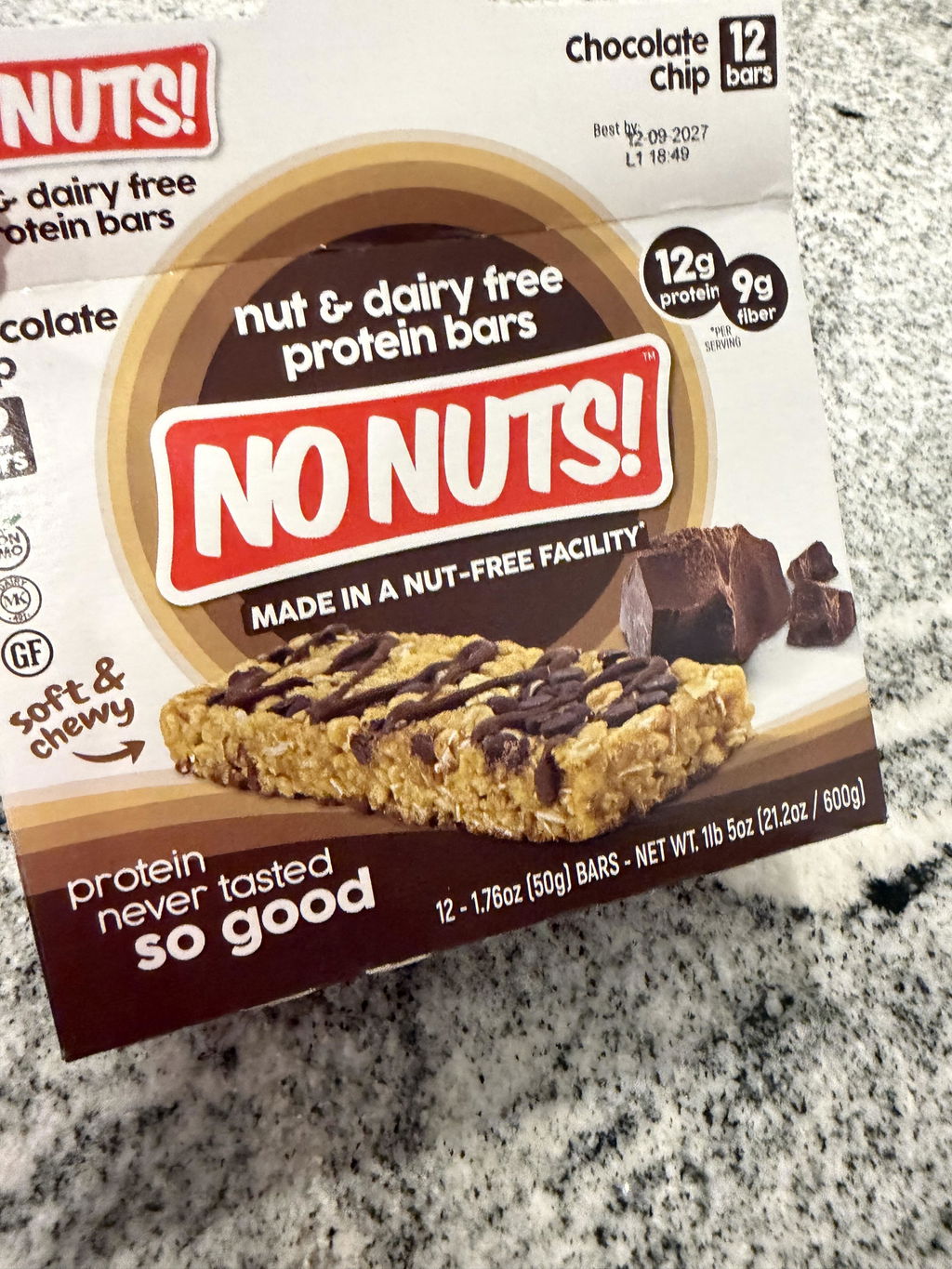
No Nuts! Protein Bars are made in a dedicated nut-free facility, which cuts down on the cross-contamination that causes so many of the hidden peanut ingredients you might miss elsewhere on a shelf.
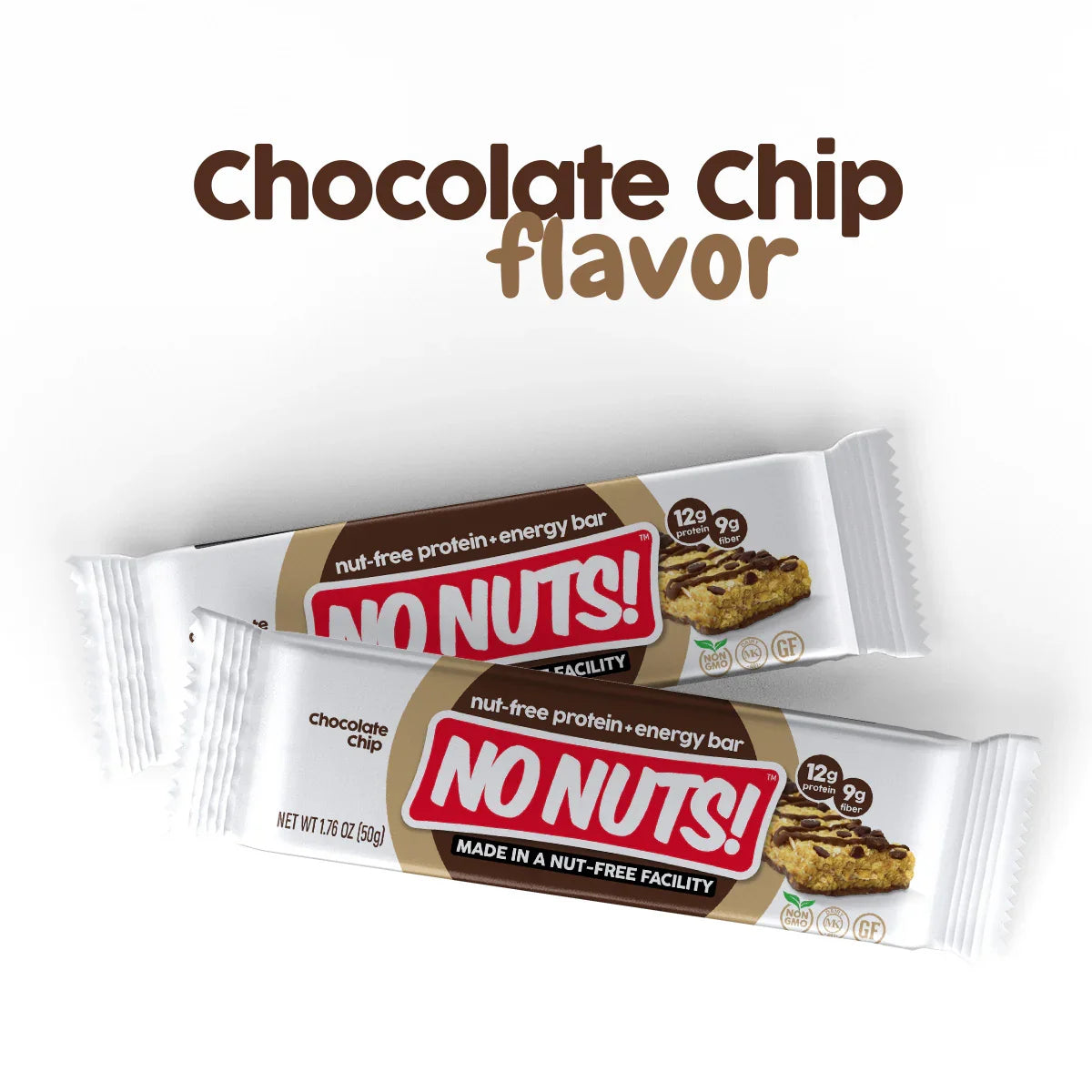
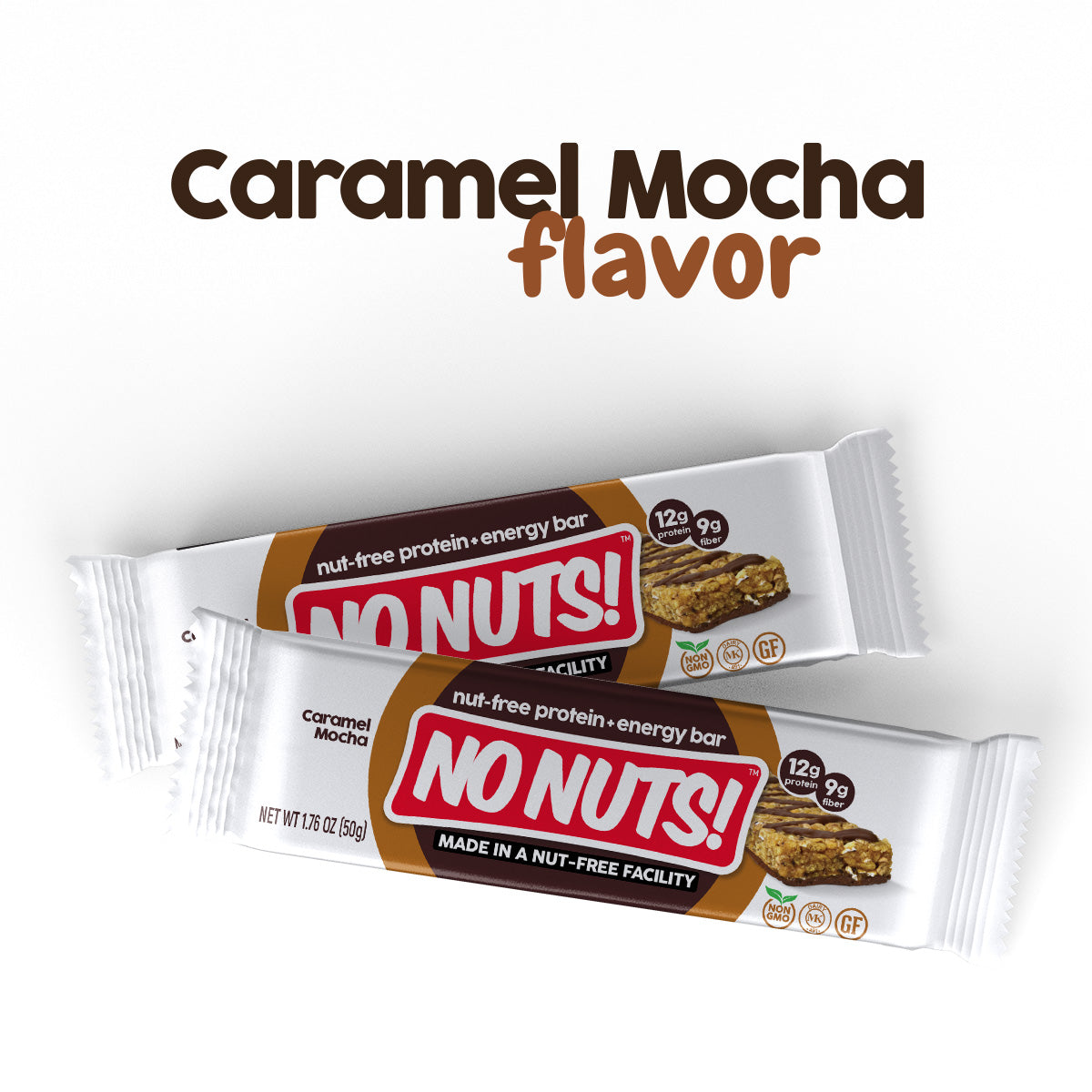
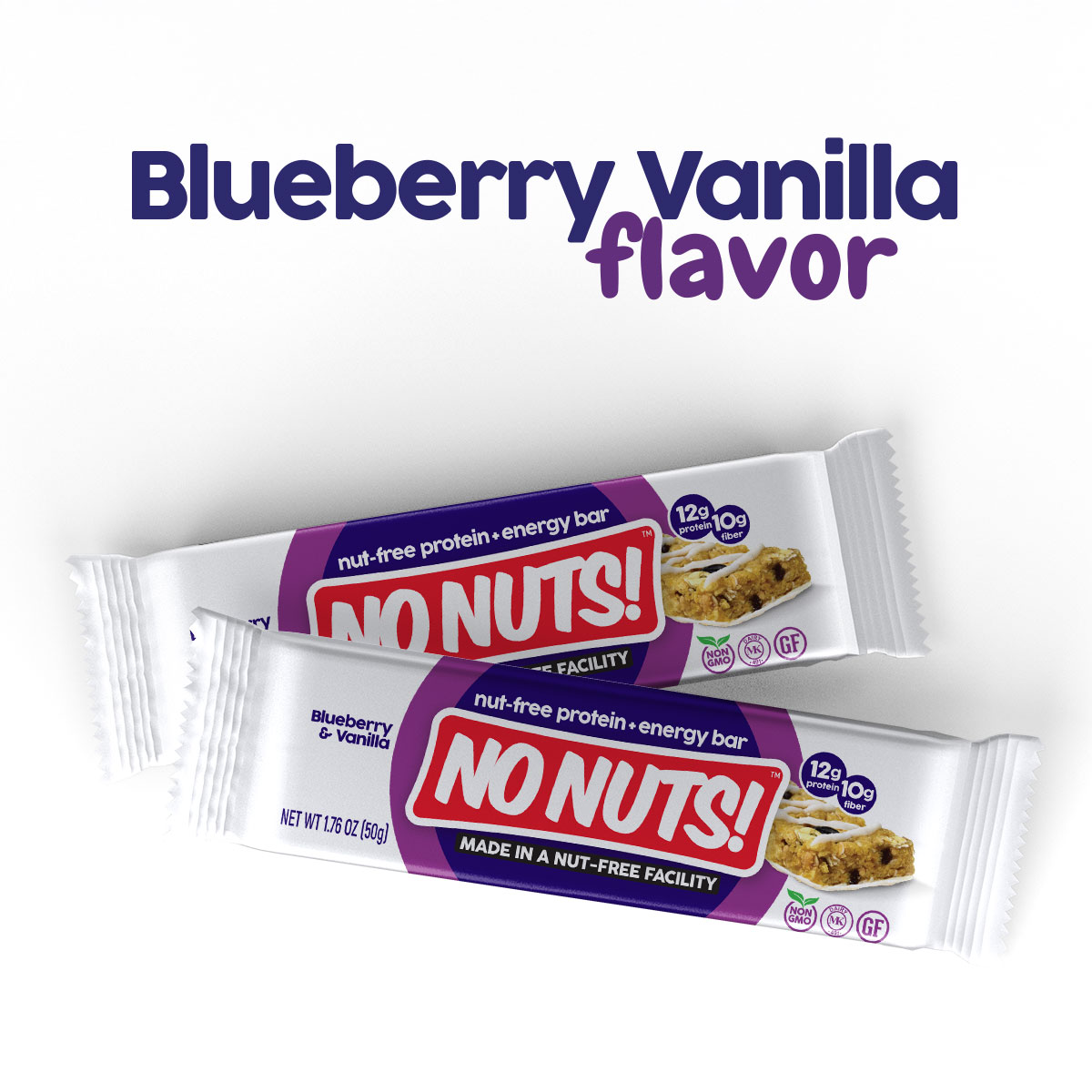
These bars are also dairy-free and gluten-free, which makes them a solid option for families managing more than one allergy at once.
If cinnamon is more your speed, the Cinnamon Roll flavor is worth a try, and for households that want to sample everything at once, the variety pack covers most of the lineup in one order.
We recommend browsing the full no-nuts snack bars collection to compare flavors side by side before committing to a case.
How to Read a Label for Hidden Peanut Ingredients You Might Miss
Reading a label sounds simple until you hit a term you don't recognize. Manufacturers aren't required to say "peanut" outright in every case, which is exactly how hidden peanut ingredients you might miss end up in a cart.
Here are terms that can signal peanut content even when the word "peanut" never appears:
| Label Term | Why It Matters |
|---|---|
| Arachis oil | Another name for peanut oil, common in international products |
| Hydrolyzed vegetable protein | Can be derived from peanuts depending on the source |
| Natural flavoring | A broad term that doesn't always disclose peanut origin |
| Mixed nuts / nut pieces | Peanuts are legumes but are frequently packed alongside tree nuts |
| Mandelonas | Peanuts soaked in almond flavoring, easy to mistake for a tree nut |
| Artificial nuts | Sometimes made from flavored, pressed peanuts |
Shoppers clearly feel this frustration. Research from FoodNavigator-USA found that 42% of shoppers list unclear labeling information on packaged foods and beverages as one of their top three allergen concerns.
Even shoppers who read every label carefully can miss hidden peanut ingredients when a product uses vague or technical wording instead of plain language.
Dairy-Free and Nut-Free Protein Picks for Active Lifestyles
Protein powders and shakes are another category where hidden peanut ingredients you might miss can slip through, especially in flavored blends that use "natural flavor" as a catch-all term.
OWYN built its brand around allergen-friendly formulas, and its Pro Elite High Protein Shake is dairy-free and free of peanuts and tree nuts.
The brand also makes a plant-based protein powder that skips dairy and eggs along with peanuts, which makes it easier to stock a pantry that works for multiple allergies at once.
ZEGO offers a comparable option with its Organic Pure Plant Protein Powder, a kosher, non-GMO formula built for anyone avoiding both dairy and peanuts.
Fruit Spreads and Freeze-Dried Snacks Worth Stocking
Not every hidden peanut risk comes from a bar or a spread jar. Fruit-based snacks are often marketed as simple, but flavoring blends and processing lines can still introduce cross-contact.
LLamaLand's Organics Fruit Spread is formulated with an allergen-conscious approach, which makes it a solid option for toast, sandwiches, or baking.
For a crunchy snack option, Brothers All Natural makes freeze-dried fruit crisps that use fruit as the only real ingredient, avoiding the oils and flavorings that often carry hidden peanut ingredients.
Why Cross-Contamination Still Causes Hidden Peanut Ingredients You Might Miss
Even when a product's ingredient list looks clean, shared equipment can introduce peanut residue that never makes it onto the label. This is one of the biggest blind spots for people managing a peanut allergy.
Initial allergic reactions occur at the first apparent exposure in 72% of patients, according to research in Allergy, Asthma & Clinical Immunology. That statistic highlights how often people are caught off guard by ingredients they had no reason to suspect.
This is exactly why we recommend buying from brands that manufacture in dedicated peanut-free facilities rather than relying on "may contain" disclaimers alone. It's also why over 70% of consumers with food allergies now actively seek allergen-free alternatives instead of trusting standard labels at face value.
Building a Peanut-Free Pantry: Hidden Peanut Ingredients You Might Miss and How to Avoid Them
Stocking a pantry that avoids hidden peanut ingredients you might miss takes a bit of planning, but it gets easier once you know which categories need the most attention.
Here's a simple checklist we use when restocking:
- Choose snacks and bars made in a certified nut-free facility
- Swap peanut butter for a seed-based or legume-based spread
- Pick dairy-free protein powders with short, recognizable ingredient lists
- Double-check "natural flavoring" claims by contacting the manufacturer if unclear
- Rotate in freeze-dried fruit and simple snacks that limit processing risk
The peanut allergy segment holds a 32% share of the global food allergy market in 2025, and that scale is exactly why more brands are investing in nut-free product lines heading into 2026.
Conclusion
Hidden peanut ingredients you might miss aren't going away anytime soon, but the tools to avoid them keep getting better. Seed butters, dedicated nut-free bars, and allergen-conscious protein powders all give shoppers a way to sidestep the guesswork that comes with vague labeling.
We built this guide so you can shop with more confidence, whether you're stocking bars for a school lunch or restocking spreads for the whole family. Staying alert to hidden peanut ingredients you might miss is an ongoing habit, but it gets much easier with the right nut-free and dairy-free brands on your shelf.
Frequently Asked Questions
What are the most common hidden peanut ingredients in packaged food?
Arachis oil, hydrolyzed vegetable protein, natural flavoring, and mandelonas are among the terms that can disguise peanut content. Checking for these terms is one of the best ways to catch hidden peanut ingredients you might miss on a standard label.
Is it worth buying nut-free snack bars in 2026?
Yes, nut-free bars made in dedicated facilities significantly cut cross-contamination risk compared to bars made on shared lines. With nut-free product launches up 36% over the past five years, there are more reliable options on shelves than ever before.
Can peanut allergies show up without any warning?
Initial reactions happen at the first apparent exposure in 72% of patients, so allergies can appear even when someone hasn't knowingly eaten peanuts before. This is part of why hidden peanut ingredients you might miss cause so many surprise reactions.
Do children outgrow peanut allergies?
Only 15-22% of children outgrow a peanut allergy, meaning most people manage the risk of hidden peanut ingredients for their entire lives. That's why long-term pantry habits matter more than short-term fixes.
What's a good dairy-free and nut-free protein option?
Plant-based protein powders and shakes from brands like OWYN and ZEGO are formulated without dairy, peanuts, or tree nuts. They work well for anyone managing multiple allergies at once without sacrificing protein intake.
How do I know if a snack bar is truly peanut-free?
Look for bars manufactured in a dedicated nut-free facility rather than ones that simply list peanuts as absent from the recipe. Facility-level protection is the most reliable way to avoid hidden peanut ingredients you might miss from cross-contact.
Why do so many shoppers worry about allergen labeling accuracy?
42% of shoppers name unclear labeling as one of their top three allergen concerns, according to FoodNavigator-USA. That concern is justified, since vague terms like "natural flavoring" are a common source of hidden peanut ingredients you might miss.