Food-Allergy Snack Accommodations in a 504 Plan: A Parent-School Checklist
Sep 14, 2026
The nine major food allergens (milk, eggs, fish, shellfish, tree nuts, peanuts, wheat, soybeans, and sesame) cause most serious allergic reactions in the U.S., which is exactly why detailed 504 plan food allergy accommodations matter so much when it comes to classroom snacks. If your child has a diagnosed food allergy, a well-written 504 plan is one of the most important tools for keeping snack time safe.
This checklist walks parents and school teams through exactly what belongs in a 504 plan for food-allergy snack accommodations in 2026, including nut-free classroom rules, dairy-free substitutions, and how to choose safer packaged snacks and bars for lunchboxes and shared events.
Key Takeaways
- A 504 plan is a legal document. It falls under Section 504 of the Rehabilitation Act and requires schools to provide written accommodations for students with food allergies.
- Snack accommodations must be specific. Vague language like "avoid nuts" is not enough; the plan should name exact allergens, brands to avoid, and safe alternatives.
- Nut-free classrooms need clear enforcement. The plan should state whether the whole classroom is nut-free or only the student's immediate table or zone.
- Dairy-free and multi-allergen students need extra detail. A single "no nuts" rule doesn't cover kids managing dairy, egg, or soy allergies at the same time.
- Emergency response protocols belong in the plan. This includes who carries epinephrine, where it's stored, and who is trained to administer it during snack time or field trips.
- Stock a classroom safe-snack bin. Shelf-stable options like nut-free snack bars give teachers a backup when a parent-provided snack isn't available.
- Review the plan annually. Allergies change, teachers change, and snack policies should be revisited every school year, not just once.
What Is a 504 Plan and Why Food Allergy Snack Accommodations Matter
A 504 plan is a formal, legally binding document that outlines the accommodations a school must provide for a student with a disability, and a diagnosed food allergy qualifies under this law.
Unlike a verbal agreement with a teacher, a 504 plan follows the student from classroom to classroom, substitute to substitute, and year to year.
The scope of these plans varies widely. Some families need only a short list of rules, while others require a document covering cafeteria seating, transportation, field trips, and snack-time procedures in detail.
Because more than 160 different foods have been documented to trigger allergic reactions, a generic "no nuts" note isn't enough protection for every family. Food-allergy snack accommodations in a 504 plan need to be written with the specific allergen, brand names to avoid, and safe substitutions clearly spelled out.
Building Your Food-Allergy Snack Accommodations Checklist for a 504 Plan
Before you sit down with the school team, put together a written checklist of what you're asking for. This makes the meeting faster and reduces the chance that a key detail gets left out.
Here's a practical starting checklist we recommend reviewing before every 504 meeting:
- List every allergen by name, not just "nuts" or "dairy" generally.
- Specify whether the classroom, cafeteria table, or entire school is a nut-free or allergen-restricted zone.
- Include a rule requiring ingredient labels to be checked before any shared classroom snack, bars, or treats are distributed.
- Name a backup safe snack the teacher can keep on hand for birthdays or surprise celebrations.
- Document who is trained to recognize a reaction and administer emergency medication.
- Add a line about hand-washing or wipe-down procedures after snack time, since allergen residue on desks and hands is a common exposure route.
- Require written parent notification before any planned classroom party involving food.
Bring this list to the meeting, but stay flexible. School staff may have practical constraints (budget, staffing) that require some back-and-forth before a final version is signed.
Nut-Free Classroom Rules and Snack-Time Accommodations
For students with tree nut or peanut allergies, the 504 plan should state clearly whether the classroom is entirely nut-free or whether the accommodation only applies to a specific seating area.
Many families find it easier to advocate for a fully nut-free classroom, since cross-contact from shared surfaces, art supplies, and even other children's hands is a real risk with young students who don't yet understand allergen safety.
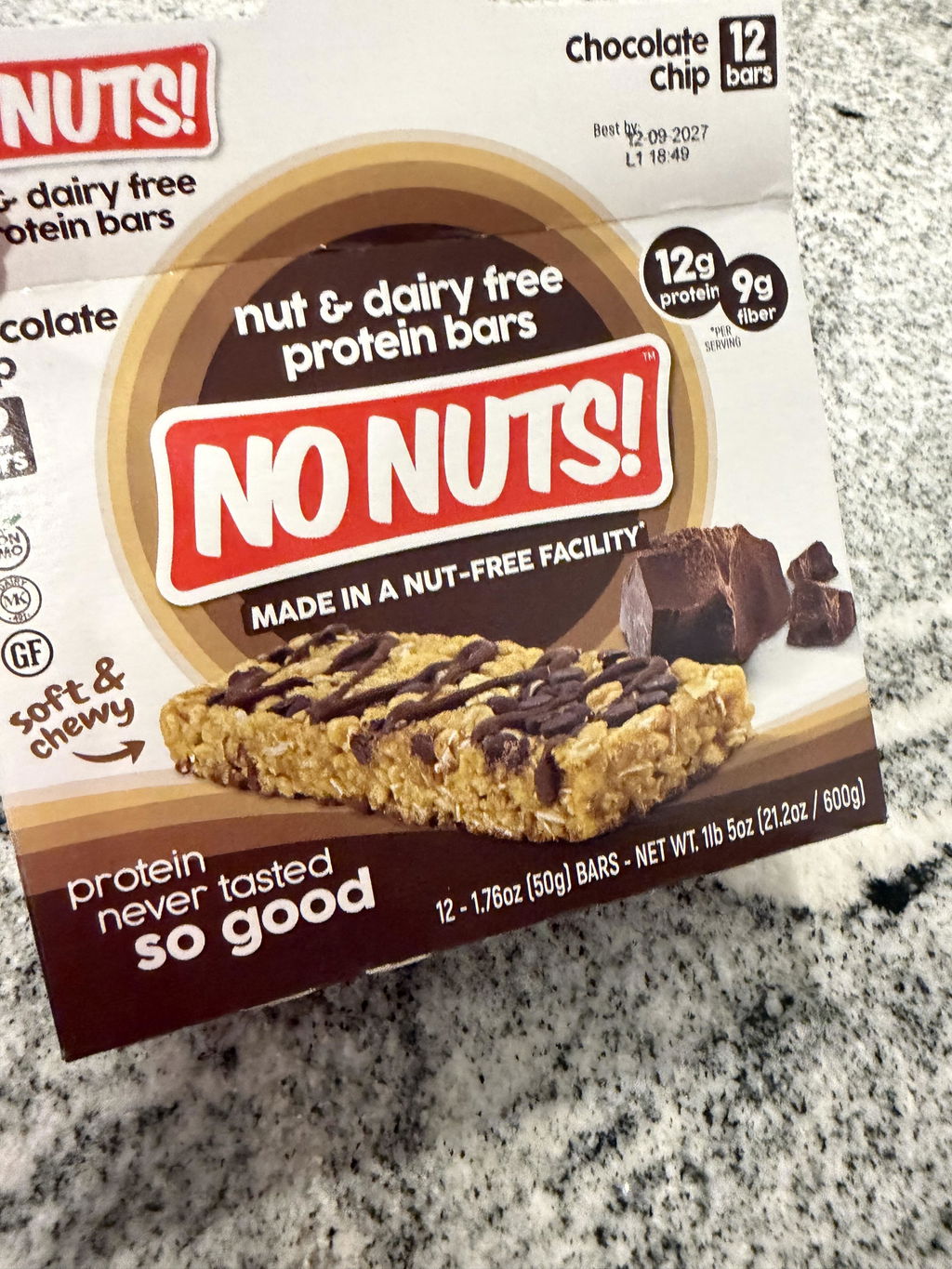
Snack bars marketed as nut-free are a common request in these plans because they're shelf-stable, individually wrapped, and easy for teachers to keep in a supply closet. For example, No Nuts! Chocolate Chip Snack Bars are made in a dedicated nut-free facility, which gives schools a documented layer of protection against cross-contact.
When writing this section of the plan, ask the school to specify exactly how "nut-free" is verified, whether that means checked ingredient labels, a pre-approved snack list, or a designated nut-free supply bin in the classroom.
Dairy-Free and Multi-Allergen Snack Considerations
Food allergy management gets more complicated when a child reacts to more than one allergen at once. A dairy-free requirement layered on top of a nut allergy means the school needs a much narrower list of pre-approved snacks.
Dairy-free accommodations should specify whether the concern is a true milk allergy or a related sensitivity, since the label language and reaction severity differ. The 504 plan should note this distinction clearly for the school nurse and any substitute teacher.
Snack options that are simultaneously nut-free, dairy-free, and gluten-free give schools one less thing to double-check before handing something to a student. Products like the No Nuts! Cinnamon Roll Snack Bars cover all three of those bases at once, which is why many parents list specific approved brands directly inside the accommodation section of the plan.
We recommend attaching a printed ingredient panel or nutrition label to the 504 plan itself for any specific snack brand you're requesting, so the school has a reference on file without needing to search for it later.
No Nuts! Snack Bars: A School-Safe Option for Lunchboxes and Classrooms
When families ask us what to list as a "safe snack" in a 504 plan, shelf-stable bars come up constantly because they don't require refrigeration and can sit in a desk drawer for emergencies.
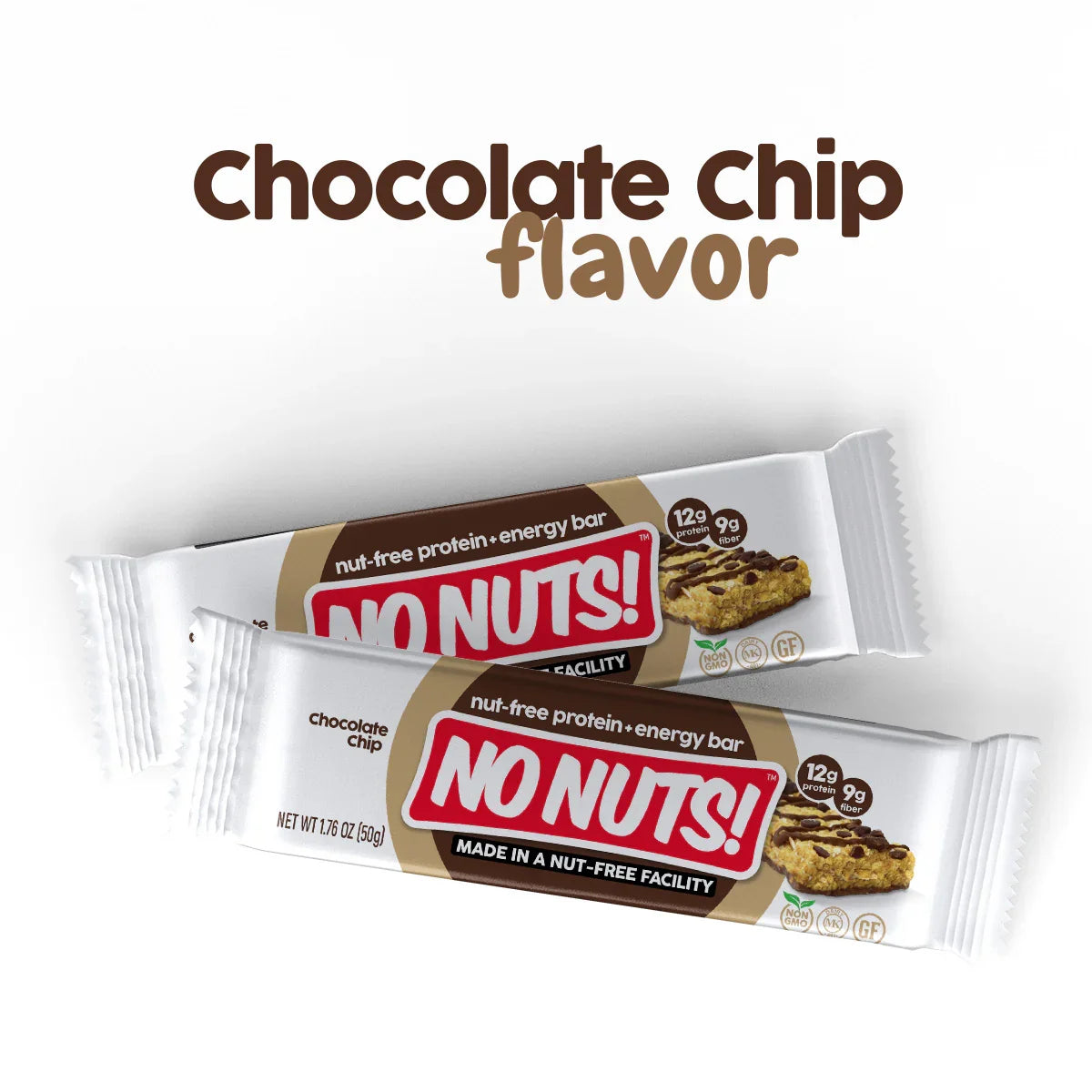
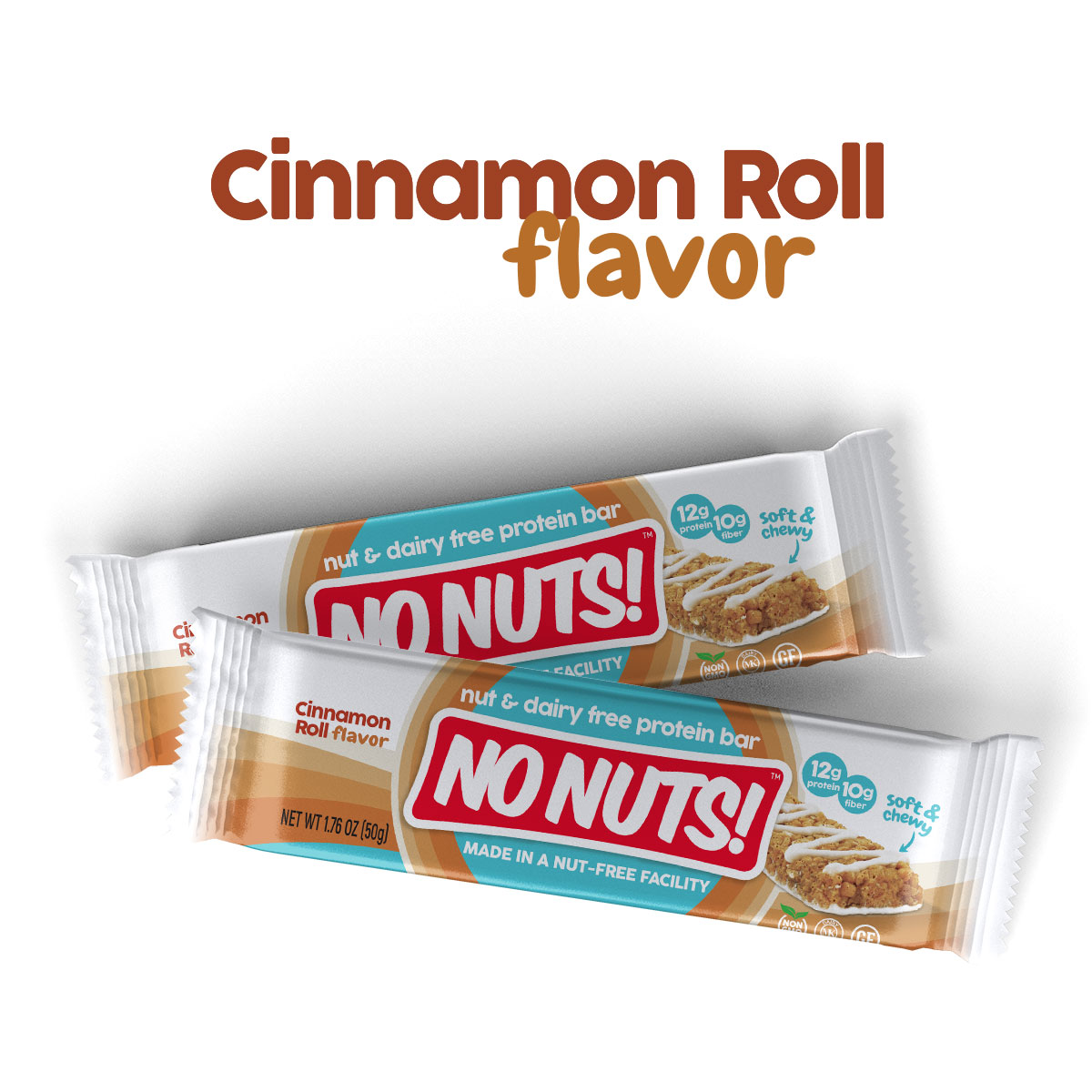
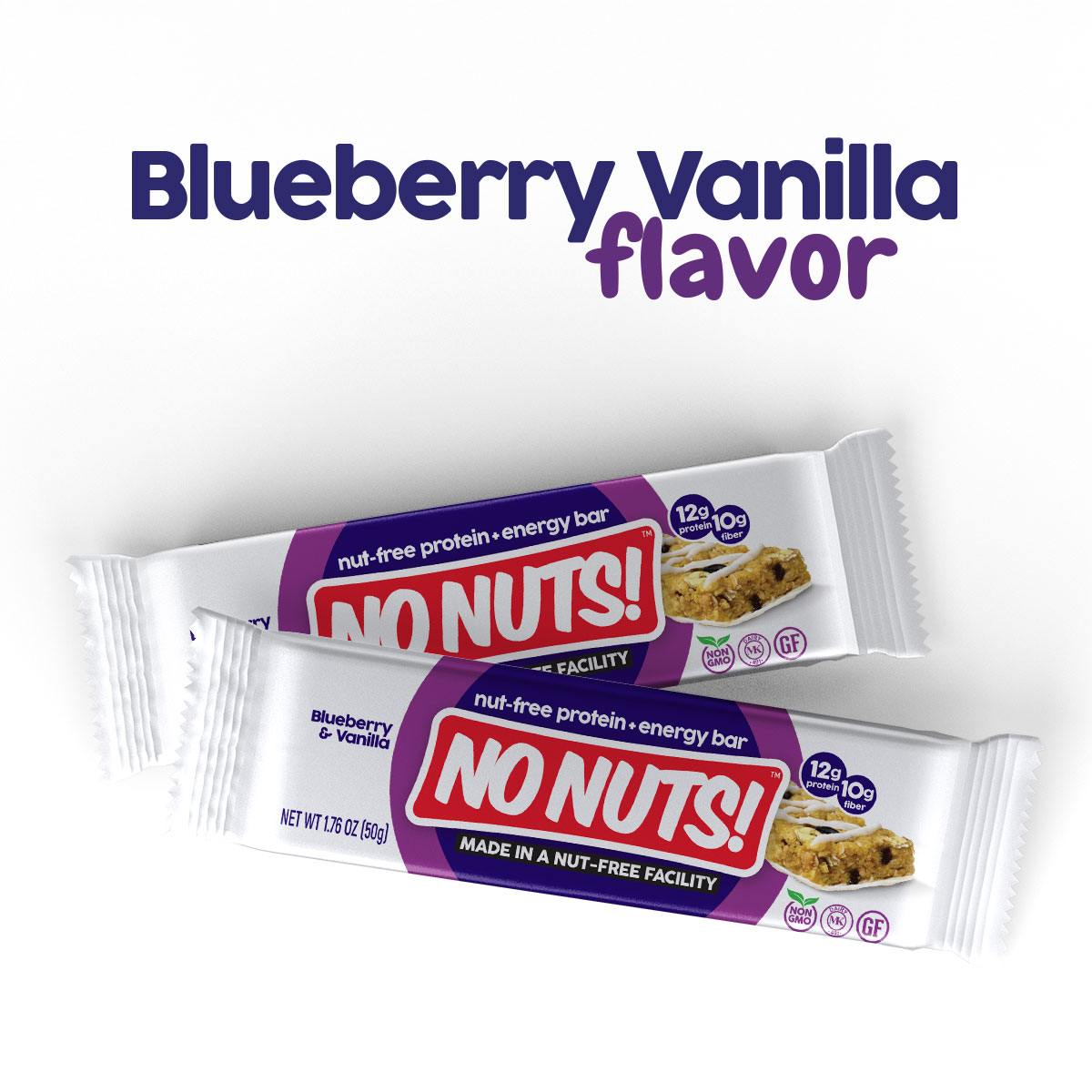
Each bar in the No Nuts! lineup delivers 12g of protein and at least 9g of fiber, is made in a dedicated nut-free facility, and is dairy-free and gluten-free by design. That combination is exactly what many 504 plans are looking for as a documented "approved snack" option.
| Product | Key Allergen Profile | Pack Size |
|---|---|---|
| No Nuts! Chocolate Chip Snack Bars | Nut-free, dairy-free, gluten-free | 12-bar pack |
| No Nuts! Cinnamon Roll Snack Bars | Nut-free, dairy-free, gluten-free | 12-bar pack |
| No Nuts! Blueberry Vanilla Snack Bars | Nut-free, dairy-free, gluten-free | 12-bar pack |
| No Nuts! Caramel Mocha Snack Bars | Nut-free, dairy-free, gluten-free | 12-bar pack |
| No Nuts! Variety Pack | All four flavors, nut-free, dairy-free, gluten-free | 12-bar pack (3 of each flavor) |
Families managing a food-allergy 504 plan often keep a case of No Nuts! Variety Pack at home and a few individual bars in a labeled classroom bin, so the teacher always has a safe backup regardless of what other students bring in.
Emergency Preparedness: Epinephrine and Snack-Time Protocols
Snack accommodations aren't only about avoiding allergens. They also need to cover what happens if exposure occurs anyway, since even the best-run classroom can have an accidental cross-contact incident.
Most pediatric allergy specialists recommend that students carry two epinephrine auto-injectors at all times, not one, because a single dose may not fully resolve a severe reaction before emergency responders arrive.

Your 504 plan should name exactly where those injectors are stored (with the student, in the classroom, in the nurse's office, or all three), who is authorized to administer them, and how staff are trained to recognize the early signs of a reaction during snack time.
It should also cover field trips and school events separately, since these are high-risk moments where teachers may not have the same snack-safety routines they use in the regular classroom.
Working With Your School: Sample Language for Snack Accommodations
School staff generally want to help, but they also need language that's specific enough to act on without a lot of guesswork. Vague requests tend to get watered down over the course of a school year.
Here's an example of the kind of specific wording that works well in a 504 plan:
"Student's classroom will be maintained as a nut-free environment. All shared snacks, bars, and treats brought in for classroom celebrations must be pre-approved by the parent or list only ingredients from the attached safe-snack list. Teacher will keep a labeled backup snack bin stocked with parent-provided, nut-free and dairy-free bars for use during unplanned celebrations."
Some families also attach a one-page "quick reference" card to the plan that lists the child's specific allergens, safe brands, and emergency contact information, so a substitute teacher can act quickly without digging through a lengthy document.
The Legal Landscape for 504 Plans in 2026
504 plans have been part of federal law since Section 504 of the Rehabilitation Act was passed in 1973, but the rules around how strictly schools must enforce food allergy accommodations remain an active legal topic.
Some 504 plans stay short and simple, while others run up to 20 pages when they need to cover cafeteria seating charts, bus policies, and multi-allergen snack restrictions in detail.
What this means practically for parents in 2026 is that it's worth checking your state's current guidance annually rather than assuming last year's plan language still holds up. A school district's interpretation of "reasonable accommodation" can shift when the underlying regulations change.
If you're unsure whether your current plan meets the latest standard, ask your school's 504 coordinator for a written review before the school year starts, not after an incident happens.
Stocking a Safe Snack Supply at Home and School
Once the paperwork is in place, the practical part of managing food-allergy accommodations comes down to having reliable snacks on hand every single day.
Many parents keep a rotating stock of individually wrapped bars in the pantry, the car, and a labeled classroom bin, so there's never a gap in coverage if a planned snack falls through.
We've found that families managing nut-free and dairy-free restrictions together tend to prefer products that are verified for both at once, rather than juggling two separate brand lists. You can review full ingredient and nutrition information for each flavor before adding anything new to your child's approved snack list, and it's worth checking the FAQ page for answers to common allergen and shipping questions as well.
Conclusion
Getting food-allergy snack accommodations right in a 504 plan takes real effort up front, but it pays off every single day your child is in the classroom. The checklist approach we've outlined here, specific allergen names, clear nut-free and dairy-free rules, a documented backup snack supply, and a solid emergency response plan, gives both parents and schools a shared reference point they can rely on.
Revisit your 504 plan food allergy accommodations at least once a year, keep the language specific rather than general, and make sure every adult in the building knows where the safe snack bin is and what's inside it.
Frequently Asked Questions
What should be included in a 504 plan for food allergies?
A strong 504 plan for food allergies names the specific allergens by type, states whether the classroom is nut-free or allergen-restricted, lists approved backup snacks and bars, and documents emergency response steps including who carries and administers epinephrine.
Can a school refuse to make snack accommodations under a 504 plan?
Schools generally cannot refuse reasonable food allergy accommodations once a 504 plan is approved, since it's a legally binding document under the Rehabilitation Act. However, the exact scope of "reasonable" accommodations can vary by state and district, which is why it helps to get specific language written into the plan itself.
Is a nut-free classroom required for a peanut allergy 504 plan?
Not automatically. Some families request a fully nut-free classroom while others agree to an allergy-aware table or zone, and the right choice depends on the child's age, reaction severity, and how well younger students can follow safety rules around shared surfaces.
What snacks are safe for a nut-free and dairy-free 504 plan in 2026?
Shelf-stable snack bars made in a dedicated nut-free facility and formulated without dairy ingredients are a common choice for 504 plan backup snacks, since they don't require refrigeration and are easy to keep stocked in a classroom bin. Checking the ingredient label and manufacturing facility claims for every batch is still recommended before adding any brand to an approved list.
How often should a food allergy 504 plan be updated?
Most allergy specialists and school coordinators recommend reviewing and updating a 504 plan every school year, since allergies can change, new staff need training, and legal guidance around accommodations continues to evolve. Any change in reaction severity or new diagnosed allergen should trigger an immediate update rather than waiting for the annual review.
Do 504 plans cover field trips and classroom parties?
Yes, a thorough food-allergy 504 plan should explicitly cover field trips, classroom celebrations, and school events, not just daily snack time. These situations carry higher risk because routines change and substitute staff may not be familiar with the student's specific accommodations.
Who decides what snacks are approved under a 504 plan?
Parents typically propose the approved snack list based on their child's specific allergens, and the school's 504 team (including the coordinator, nurse, and teacher) reviews and signs off on it. It's common for parents to attach printed ingredient labels or nutrition panels for specific brands, like nut-free and dairy-free bars, directly to the plan for easy reference.
A note on allergies: This article is general information, not medical advice. Ingredients and facility practices can change, so always read the full label and allergen statement before eating any food, and talk with your doctor or allergist about your own needs.
No Nuts! protein bars (Chocolate Chip, Blueberry & Vanilla, Caramel Mocha and Cinnamon Roll) are made in a nut-free facility, and every ingredient is listed on our ingredients page. Our Chewy Chocolate Chip Granola Bars are made without the 9 major U.S. allergens (including soy); the facility also processes coconut.