What Foods Contain Almonds? A Complete Almond Allergy Guide
Jun 05, 2026
If you or someone you love manages a nut allergy, understanding what foods contain almonds is one of the most important steps you can take to stay safe. Almond allergy has been identified as the 3rd most frequent tree nut allergy in the United States, which means almonds are hiding in far more foods than most people realize. From seemingly healthy snacks to everyday pantry staples, almonds show up in unexpected places, and knowing where to look can make a real difference.
Key Takeaways
| Question | Answer |
|---|---|
| What foods most commonly contain almonds? | Baked goods, granola bars, trail mix, marzipan, flavored coffees, plant-based milks, and many "natural flavor" products. |
| Are almonds always listed on food labels? | In the US, almonds must be declared as a tree nut allergen. However, cross-contamination warnings may vary by manufacturer. |
| Are nut-free snack bars safe for almond allergy? | Only if they are made in a dedicated nut-free facility. Look for certified nut-free labels, like those on No Nuts! nut-free snacks. |
| Can dairy-free products contain almonds? | Yes. Almond milk is dairy-free but contains almonds. Always check labels on plant-based dairy alternatives. |
| What are safe snack bar options for almond allergy? | Protein bars made in a 100% nut-free facility, such as those from No Nuts! nut-free protein bars, are a reliable choice. |
| Is almond extract different from whole almonds? | Almond extract is derived from almonds and can trigger reactions. It frequently appears in baked goods and flavored products. |
| What changed with FDA almond labeling rules in 2026? | As of January 2026, the FDA narrowed its tree nut definition to 9 varieties, making almond declarations more precise on product labels. |
Why Knowing What Foods Contain Almonds Matters
Almond allergies are not minor inconveniences. For many people, a small amount of almond protein can trigger reactions ranging from hives and stomach pain to anaphylaxis.
What makes this allergy particularly tricky is that almonds are celebrated as a "healthy" ingredient. They show up in protein bars, snacks, plant-based products, and beauty items, often without obvious labeling. We created this guide to help you identify every common and hidden source of almonds so you can navigate food safely.
Common Foods That Contain Almonds: A Complete Breakdown
This is the core of our almond allergy guide. Understanding what foods contain almonds goes far beyond just avoiding whole nuts in a bowl. Almonds appear in processed, packaged, and even "natural" foods in many forms.
Baked Goods and Pastries
Croissants, muffins, cakes, and cookies frequently contain almond flour, almond paste, or almond extract. Macarons are almost always made with almond flour, even when their packaging doesn't shout it.
Marzipan, a common filling in European-style pastries and holiday candies, is essentially pure almond paste. If you see marzipan listed anywhere on a label, treat it as a direct almond source.
Protein Bars and Snack Bars
Many popular protein bars use almonds as a primary ingredient for texture, protein content, and flavor. Even bars marketed as "healthy" or "natural" can contain whole almonds, almond butter, or almond flour.
This is one of the most important categories in our complete almond allergy guide because bars are a go-to convenience food. We recommend choosing nut-free bars made in a dedicated facility, like the range available at No Nuts! snack bars, which are produced in a 100% nut-free environment.
Granola, Cereals, and Trail Mix
Almonds are one of the most common additions to granola and trail mix products. Even if the bag lists other nuts prominently, almonds may be present or processed on shared equipment.
Pre-packaged breakfast cereals with "natural flavors" may also use almond-based additives. Always read the full ingredient panel, not just the front of the package.
Plant-Based Dairy Alternatives
Almond milk is the most obvious example, but many dairy-free products use almond derivatives. Some dairy-free cheeses, yogurts, and ice cream alternatives are almond-based.
If you need both dairy-free and almond-free options, look for oat, rice, coconut, or soy-based alternatives. Always verify the label, because some dairy-free products blend multiple plant bases.
Flavored Coffees and Beverages
Amaretto-flavored coffee, almond syrup in lattes, and almond-flavored liqueurs all contain almond derivatives. Even some "natural flavor" coffee blends use bitter almond oil.
Specialty coffee shops are a higher-risk environment because shared blenders and steamers can transfer almond residue across beverages.
Chocolate and Confectionery
Chocolate bars, nougat, pralines, and flavored truffles frequently contain almonds. Even plain chocolate bars may be processed in facilities that handle almonds extensively.
Look for phrases like "may contain tree nuts" or "manufactured in a facility that processes tree nuts" as indicators of cross-contamination risk.
Sauces, Dips, and Condiments
Romesco sauce, some pesto variations, and certain Asian-inspired sauces use ground almonds as a thickener or base. Mole sauce, a staple in Mexican cuisine, can include almonds as one of its many ingredients.
This is where what foods contain almonds becomes surprisingly broad. Always ask at restaurants or read labels on store-bought sauces.
Five common foods may contain almonds, as shown in this infographic. Use it to spot hidden almond ingredients and improve allergy safety.
Reading Labels: How to Spot Almonds in Packaged Foods
The FDA requires almonds to be declared on food labels in the United States. However, the language used can vary, which makes label reading for almond allergy a skill worth developing.
Here are the ingredient names and terms that indicate almond content:
- Almond flour (common in gluten-free baked goods and snacks)
- Almond meal (used as a coating or thickener)
- Almond butter (common in protein bars and spreads)
- Almond extract (used widely in baking for flavor)
- Almond oil (used in some food products and many cosmetics)
- Almond paste or marzipan (confectionery and pastry filling)
- Amaretto flavoring (can indicate almond-derived compounds)
- Natural flavors (sometimes derived from almonds, always worth querying)
- Prunus amygdalus (the botanical name for almond, sometimes seen in supplements)
Beyond the ingredient list, pay close attention to "Contains" statements and "May Contain" warnings. A product may not have almonds as a direct ingredient but may carry significant cross-contamination risk from shared production lines.
High-Risk Locations for Almond Allergy Reactions
Part of a complete almond allergy guide is knowing where reactions are most likely to happen outside the home. Certain settings carry much higher risk due to shared equipment, open ingredients, and high almond usage.
- Bakeries and donut shops: Almond flour, almond paste, and marzipan are kitchen staples in these environments.
- Ice cream shops: Almond-based flavors, shared scoops, and mix-in toppings create serious cross-contamination risk.
- Cafes and coffee shops: Almond syrups and almond milk are common, and shared blenders or steamers can transfer allergens.
- Asian restaurants: Chinese, Thai, and Indian dishes frequently use ground almonds or almond-based sauces.
- Health food stores and bulk bins: Open bulk bins of nuts and grains create airborne and surface contamination risks.
Always communicate your allergy clearly when eating out, and ask specifically about almond use in recipes and shared equipment.
What Foods Contain Almonds That You Might Not Expect
Beyond the obvious almond-containing foods, there are some surprising categories where almonds appear regularly. This section of our complete almond allergy guide covers the ones that catch people off guard most often.
Cosmetics and Personal Care Products
Almond oil is a popular ingredient in moisturizers, lip balms, hair masks, and body lotions. While ingestion is the primary allergy concern, people with severe almond allergies may also react to topical contact.
Check ingredient lists on skincare products for "sweet almond oil" or "Prunus amygdalus dulcis oil" if you have a contact reaction history.
Nutritional Supplements and Protein Powders
Protein powders, meal replacement shakes, and vitamin supplements sometimes use almond flour or almond-based fillers. Plant-based protein blends are particularly likely to include almonds.
Baby Foods and Toddler Snacks
Many toddler-targeted snacks and pureed foods contain almond butter or almond paste as a protein source. This is especially important for parents introducing solid foods to children with tree nut allergies.
Gluten-Free and "Health" Products
The gluten-free food trend has made almond flour one of the most common wheat flour substitutes. Gluten-free cookies, crackers, pancake mixes, and bread products are very frequently almond-based.
If you are managing both a gluten sensitivity and an almond allergy, this is a particularly challenging food category. Look for oat-based or rice-based gluten-free alternatives instead.
Nut-Free Snacks and Bars: Safe Alternatives for Almond Allergy
Finding safe, satisfying snacks when managing an almond allergy can feel challenging. The good news is that there are high-quality nut-free options that do not compromise on taste or nutrition.
We recommend looking specifically for products made in a 100% nut-free dedicated facility. This eliminates cross-contamination risk that "may contain nuts" warnings create.
No Nuts! offers a full range of nut-free protein bars made in a dedicated nut-free facility, with no almonds or other tree nuts anywhere in the production process. Here is a breakdown of available options:
| Product | Flavor | Price | Key Features |
|---|---|---|---|
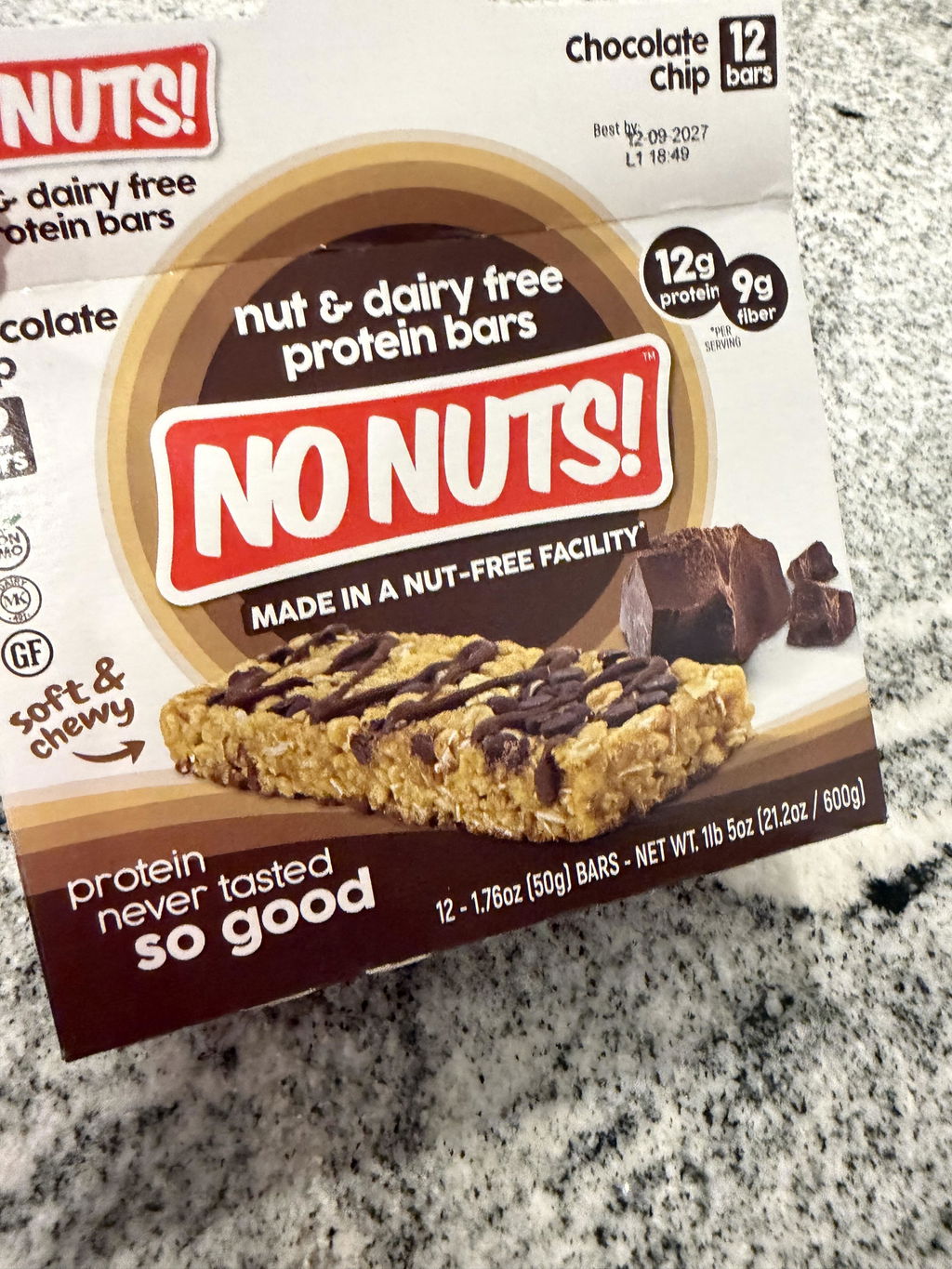
| No Nuts! Chocolate Chip | Chocolate Chip | $32.99 | 12g protein, 9g fiber, dairy-free, gluten-free |
| No Nuts! Blueberry Vanilla | Blueberry Vanilla | $32.99 | 12g protein, dairy-free, gluten-free |
| No Nuts! Caramel Mocha | Caramel Mocha | $32.99 | 12g protein, dairy-free, gluten-free |
| No Nuts! Cinnamon Roll | Cinnamon Roll | $32.99 | 12g protein, dairy-free, gluten-free |
| No Nuts! Variety Pack | All 4 Flavors | $32.99 | Try all flavors, nut-free, dairy-free |
| No Nuts! 4-Pack Sampler | All 4 Flavors | $12.99 | Sampler size, great for first-time buyers |
All No Nuts! bars are dairy-free, gluten-free, and school-safe. They deliver 12g of protein per bar without any tree nut ingredients or cross-contamination risk from shared production lines.
For schools, offices, or organizations that need bulk quantities, wholesale options like the 72-pack Wholesale Chocolate Chip Nut-Free Bars make it easy to keep safe snacks available at scale.
Dairy-Free Does Not Always Mean Almond-Free
This is one of the most important points in any complete almond allergy guide. The rise of dairy-free eating has introduced a wave of plant-based products, many of which rely heavily on almonds.
Common dairy-free products that frequently contain almonds include:
- Almond milk (obviously almond-based)
- Almond-based dairy-free yogurt
- Plant-based cheese blends that include almonds
- Dairy-free chocolate containing almond derivatives
- Dairy-free ice cream made with an almond milk base
- Vegan butter and creamer alternatives blended with almond oil
When you need options that are both dairy-free and completely almond-free, look for products explicitly labeled as nut-free and produced in a dedicated facility. No Nuts! bars are a strong example: they are fully dairy-free AND completely nut-free, making them safe for people navigating both restrictions.
School-Safe Nut-Free Snacks: What to Pack for Kids
For parents managing a child's almond allergy, school environments add an extra layer of complexity. Many schools have nut-free policies, but enforcement varies, and cross-contamination can happen at lunch tables and in shared classroom spaces.
When packing snacks for school, the safest approach is to choose products that are certified nut-free and made in a dedicated facility. This removes any guesswork about label warnings like "may contain traces."
Practical school-safe options include:
- Nut-free protein bars from dedicated facilities
- Fresh fruit and vegetables
- Sunflower seed butter on rice cakes
- Seed-based granola made without tree nuts
- Plain popcorn from dedicated nut-free facilities
The No Nuts! 4-Pack Sampler ($12.99) is a great starting point for families wanting to try a range of school-safe, nut-free flavors before committing to a full box.
How FDA 2026 Labeling Rules Affect What Foods Contain Almonds
As of January 2026, the FDA narrowed the legal definition of "tree nut" for food labeling to just 9 varieties, removing items like coconut and kola nut from the list to reduce consumer confusion. Almonds remain firmly on the list.
This means that in 2026, food manufacturers are required to clearly disclose almonds on product labels when they are a direct ingredient. The "Contains: Tree Nuts (Almonds)" statement is now more precise and easier to identify for allergy sufferers.
However, "may contain" warnings for cross-contamination are still voluntary for manufacturers. This is why choosing products from a dedicated nut-free facility, rather than relying on "may contain" warnings alone, remains the safest strategy for people with an almond allergy.
Almond Allergy vs. Other Tree Nut Allergies
Almond allergy is part of the broader tree nut allergy category, but it is important to understand that having one tree nut allergy does not automatically mean you are allergic to all tree nuts. However, cross-reactivity between almonds and other stone fruit seeds (like peaches, cherries, and apricots) is documented.
If you have confirmed almond allergy, we recommend working with an allergist to determine which other tree nuts require avoidance. Many people with almond allergy are also allergic to cashews, walnuts, or hazelnuts, but this is not universal.
A complete almond allergy guide should always be paired with personalized medical advice. This article provides food identification guidance, but your allergist can provide testing and a tailored management plan.
Conclusion
Understanding what foods contain almonds is the foundation of any effective almond allergy management strategy. Our complete almond allergy guide covers everything from obvious sources like whole almonds and almond butter to hidden sources in gluten-free baked goods, dairy-free products, sauces, and flavored beverages.
The most important steps are reading labels carefully, asking questions when eating out, and choosing snacks and bars that come from dedicated nut-free facilities. Products like No Nuts! make it possible to enjoy satisfying, protein-rich bars that are completely safe for almond allergy, dairy-free diets, and school environments.
Whether you are managing your own almond allergy or caring for someone who has one, knowledge and reliable nut-free products are your two best tools. Explore the full range of safe options at No Nuts! complete product collection and take the guesswork out of snacking safely.
Frequently Asked Questions
What are the most common foods that contain almonds I should avoid?
The most common almond-containing foods include marzipan, baked goods with almond flour, granola and protein bars with almonds, almond milk, almond butter, trail mix, macarons, and many gluten-free products. This complete almond allergy guide recommends always checking the full ingredient list and "Contains" statement on every packaged product.
Can a food be dairy-free but still contain almonds?
Yes, absolutely. Many dairy-free products like almond milk, almond-based yogurt, and plant-based cheese are made directly from almonds. Always look for products labeled both dairy-free and nut-free if you need to avoid both allergens.
Are protein bars safe for almond allergy?
Not all protein bars are safe. Many popular bars contain almond butter, almond flour, or whole almonds, and even bars without these ingredients may be processed in facilities that handle almonds. The safest option is a bar made in a 100% dedicated nut-free facility, like No Nuts! nut-free protein bars.
What hidden names should I look for on labels to identify almonds?
Look for almond flour, almond meal, almond extract, almond oil, almond paste, marzipan, amaretto flavoring, and the botanical name Prunus amygdalus. "Natural flavors" can sometimes be almond-derived, so it is worth contacting the manufacturer if you are unsure.
Is it safe to eat gluten-free snacks if I have an almond allergy?
Not automatically. Almond flour is one of the most popular gluten-free flour substitutes, so many gluten-free cookies, crackers, and baked goods contain almonds. Always read the full ingredient list on gluten-free products and look for nut-free certifications.
What foods should I avoid at restaurants if I have an almond allergy?
At restaurants, avoid dishes with marzipan, praline, romesco sauce, some mole sauces, pesto variations, and any dish described as containing "mixed nuts." Bakeries and ice cream shops are the highest-risk venues for accidental almond exposure due to shared equipment.
Are there good nut-free snack bars for kids with almond allergy in 2026?
Yes. In 2026, certified nut-free bars produced in dedicated facilities are the gold standard for kids with almond allergy. No Nuts! bars are school-safe, dairy-free, and gluten-free, with all four flavors available in a sampler pack starting at $12.99, making them a practical and safe choice for lunchboxes.