The real reason plant-based protein bars often hide nut allergens (and how to shop with confidence)
Aug 28, 2026
In 2026, one of the biggest surprises for allergy families is how often the words “plant-based” and “protein bar” still leave room for uncertainty. The real reason plant-based protein bars often hide nut allergens is not usually that companies are trying to be sneaky, it is that allergen risk can travel farther than the label makes it seem.
Key Takeaways
| What’s really happening | “Nut-free” can still be impacted by shared ingredients, shared lines, or shared facilities where traces can transfer. |
| Why “plant-based” doesn’t guarantee safety | Vegan and plant-based protein bars can still contain (or be made near) nuts due to sourcing and production realities. |
| Cross-contact is the key word | Look for “may contain” statements and shared-facility notes, because cross-contact is how nut traces spread. |
| Use the “toolbox” approach | Pair your label-reading with a brand with a clear, validated allergen-safety process. |
| Best case shopping scenario | A certified facility promise (not just vibes), plus transparent ingredient and production practices. |
- Plan for the real-world routes: ingredient sourcing, shared equipment, and warehouse handling can all affect plant protein bars and vegan protein bars.
- Check patterns, not perfection: “nut-free staples” labeling is only reassuring if the production story matches it.
- Know that families verify labels in 2026: many health-conscious shoppers actively check allergen information on protein bar packaging before buying.
- Try “Nut-Free” brands with a total-safety model: see how our team explains our process in No Nuts! and allergen-safety validation.
- Keep snacks consistent for school and activities, using our approach for shipping and returns expectations when you restock safe Snacks.
1) Shared factory lines: the “label” can be right, but the bar is still made in a system
When people ask about The real reason plant-based protein bars often hide nut allergens, we usually start with the same first issue, shared production lines. Even if a bar recipe does not include nuts, the equipment that touches it can still have a history.
In 2026, many manufacturing plants produce a wide range of snacks, including plant protein bars, vegan snack items, and other allergen-containing products. Cleaning between runs can reduce residue, but it does not always eliminate cross-contact risks completely, especially for highly allergenic foods.
- Shared molds and mixers can transfer tiny amounts.
- Shared conveyors can move ingredients and dust from one product to the next.
- Shared packaging areas can create trace exposure during assembly.
This is why parents sometimes feel like the label is contradicting reality. In practice, the “nut-free” claim may be about the recipe, not about every step around the recipe.
2) “Plant-based” recipes still rely on the same high-risk ingredient ecosystem
The phrase plant based protein bar can sound like a guarantee that the ingredients are safer, but the sourcing world is still the sourcing world. Many vegan and vegetarian protein bars use ingredients like oils, concentrates, and flavor systems that are made and blended across supplier networks.
So even when vegan protein bars are nut-free by formulation, they may be exposed through component suppliers, shared batches, or blended ingredient lots. That is one of the practical reasons why The real reason plant-based protein bars often hide nut allergens feels so confusing to families.
And this is where the secondary keywords matter in real life, because families shop for a combination of:
- Nut-Free snacks, not just “may contain” reassurance.
- Dairy-Free options for overall sensitivity and preferences.
- Bars that provide lasting energy without the daily stress test.
In other words, it is not only the nuts themselves. It is the whole supply chain that can move allergen traces into places you would not expect.
3) Why it feels like allergens “appear” on the ingredient list, but it’s really cross-contact
Allergen communication is often misunderstood. Most parents know to read the ingredient panel for the obvious culprit ingredients. But The real reason plant-based protein bars often hide nut allergens is that the issue can be present as an indirect exposure, not as a direct ingredient.
That is why you will see statements such as “processed in a facility with” or “may contain.” In real production terms, those phrases often exist because cross-contact is possible somewhere in the system, not necessarily because a bar contains nuts.
For 2026 shopping, that verification habit is exactly what we love to see. It is also why we recommend switching from “checking once” to “checking with a plan.”
Here are practical questions we suggest you ask when comparing vegan protein bars or any non dairy protein bar option:
- Does the brand claim nut-free on the recipe, or also on the production environment?
- Do they describe allergen-safety validation, not just “good manufacturing practice” language?
- Do they give you a consistent system for school-safe Snacks, rather than rotating facilities or formulas?
4) Why families with tree nut allergies need extra caution with “may contain” bars
If your child has a tree nut allergy, you already know that labels can feel like a moving target. One of the toughest parts of allergy life is that multiple nuts can be cross-reactive for some people, so “close enough” is not the same as safe.
That is where the real-world meaning of The real reason plant-based protein bars often hide nut allergens becomes personal. Even if the bar is not “made with nuts,” it may still sit in the same production ecosystem that handles nuts.
- Tree nut allergies can overlap, so some families treat traces as a bigger issue than others.
- Some people react to multiple nuts, which makes “one allergen-free bar” not always the full answer.
- Parents need consistency, especially for school and camp packing.
We keep coming back to this point because it is where confidence is built. Packing a safe, nut-free lunchbox should not feel like a daily stress test.
5) What “total safety” looks like, beyond a single warning statement
We’re more than a snack company, we’re part of a movement for safer, more inclusive eating. And that shapes what we consider “enough” when it comes to Nut-Free bars.
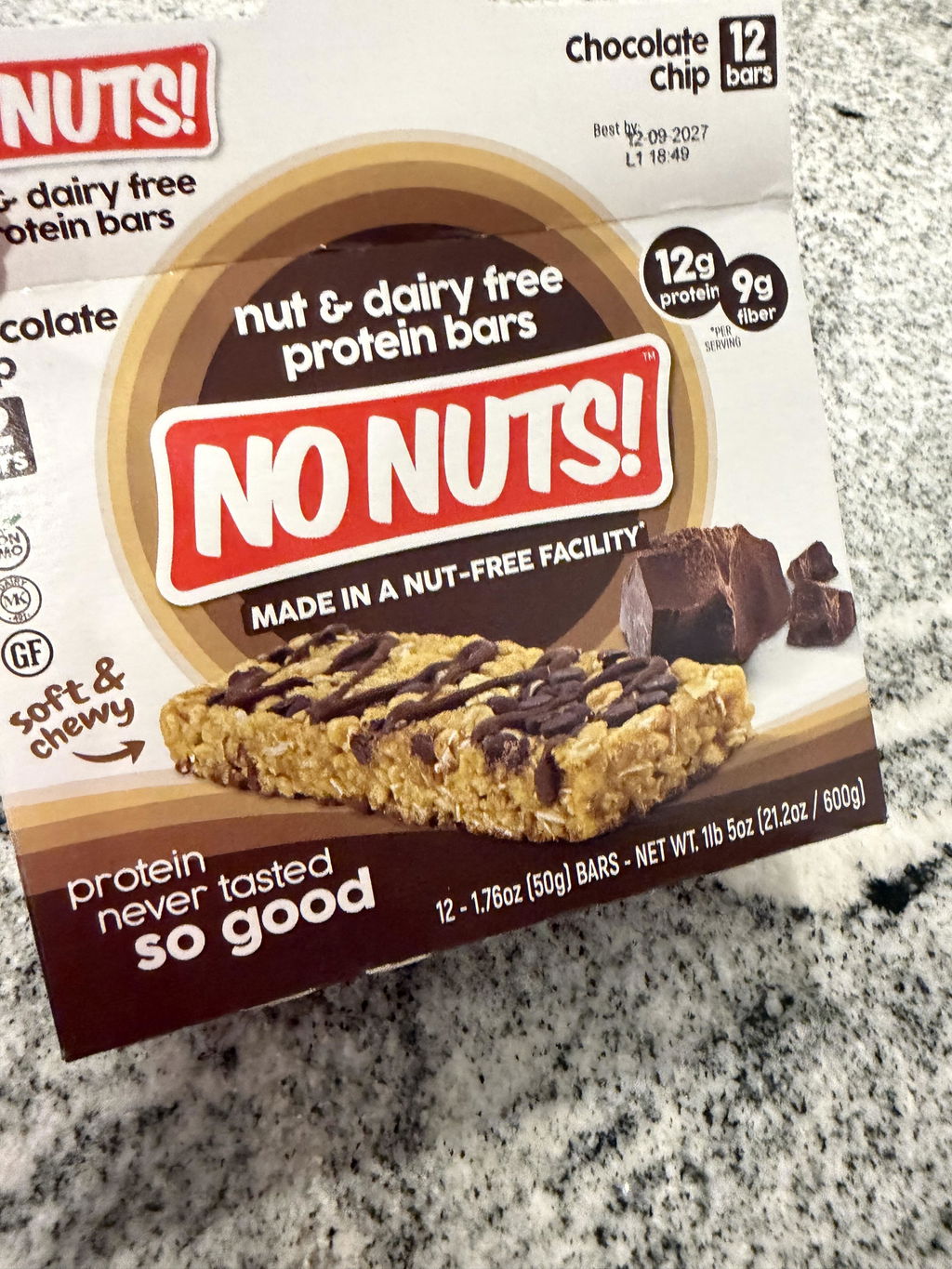
At No Nuts!, our approach is simple and clear. After years of research, taste testing, and allergen-safety validation, we built a snack bar that delivers flavor without fear.
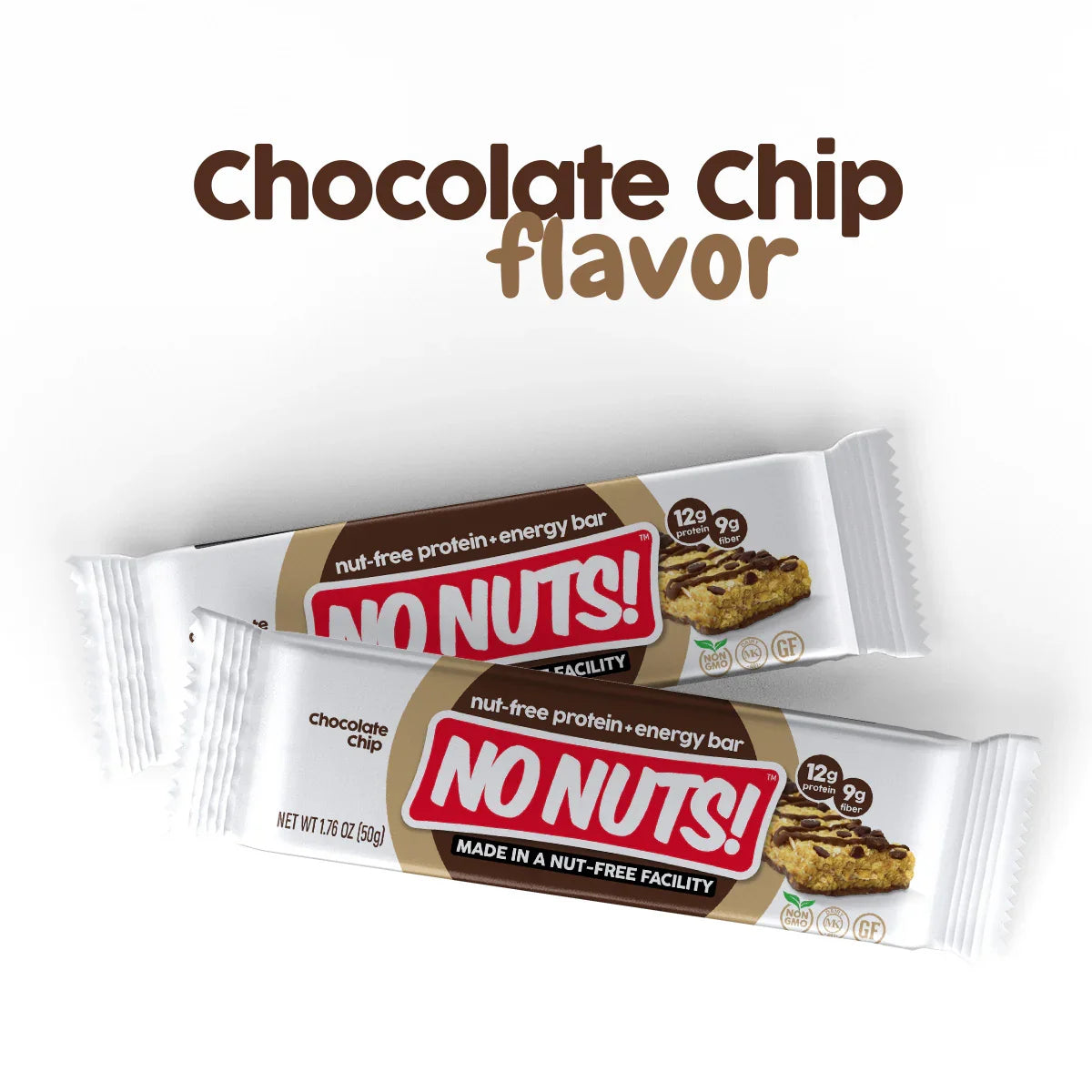
Today, every bar is made in a 100% peanut-free and tree-nut-free facility to ensure total safety for those with food allergies. That is the difference between a label that says “nut-free” and a system that is designed to stay nut-free.
If you are comparing plant protein bars or browsing vegan and high-protein vegan bars for the next school week, here is what we look for in a brand’s model:
- Clear Nut-Free policies tied to the facility, not just the recipe.
- Consistent production so you are not rolling the dice each time you buy Snacks.
- Dairy-Free options when families need them, without trading one risk for another.
6) The most common 2026 “gotcha” in shopping: assuming plant bars are all handled the same way
In 2026, more families are shopping “by vibe,” they see plant-based protein bar images, they see clean ingredients, and they assume the allergen story matches the marketing. That assumption is where The real reason plant-based protein bars often hide nut allergens shows up hardest.
The production reality can differ a lot between brands that market vegan protein bars. Two “plant bars” can have completely different facility rules, different line histories, and different approaches to allergen-safety validation.
So instead of only comparing nutrition facts, we recommend comparing the allergy safeguards that sit behind the nutrition facts:
- Are Bars produced in a 100% nut-free facility?
- Does the brand explain cross-contact risk plainly?
- Do they support families with education for real settings, like school, camps, and road trips?
When you do that, you stop guessing. You start selecting Snacks the way you would choose a safety tool.
7) What parents actually need: Nut-Free Bars for school, camps, and road trips
We hear this every season, parents want snacks that make life easier, not harder. They want Nut-Free snacks for the lunchbox, Bars for after practice, and vegan protein snack options that fit real schedules.
That is also why we built content that helps families plan, because food allergies are not only about what is in the wrapper. They’re about the environment around the wrapper.
For example, our camp and school guides focus on the same question behind The real reason plant-based protein bars often hide nut allergens, how traces and cross-contact can happen when multiple foods are shared in one setting.
- Use our school-safe snacks guide to build a routine you can repeat.
- Use our summer camps nut-free checklist to talk to counselors with confidence.
- Use our road trip nut-free snacks ideas for travel days when you need safe Bars fast.
That number helps explain why Nut-Free snack brands matter so much in 2026. When you get the system right, you reduce decision fatigue and give your family more freedom.
8) How to choose the safest option when shopping vegan protein bars (quick checklist)
If you want a fast, parent-friendly way to shop plant protein bars in 2026, use this checklist before you buy:
- Confirm “Nut-Free” means facility safety, not only recipe safety.
- Confirm “Dairy-Free” matches your needs when you are comparing non dairy protein bar options.
- Look for allergen-safety validation language, not vague reassurance.
- Choose consistent Bars so you do not start fresh uncertainty every week.
- When in doubt, treat “may contain” as a cross-contact possibility, not a maybe.
And if you want a brand built for this exact reality, we make it easy. Our snack-bar collection is designed to be Flavor without fear, with a policy that helps you relax when the bus leaves.
Conclusion
The real reason plant-based protein bars often hide nut allergens comes down to how allergen risk moves through real manufacturing and real shared systems, shared lines, shared sourcing, and shared handling. In 2026, the most reliable path to confidence is choosing Nut-Free Bars made in a validated, nut-free facility that aligns the recipe with the environment.
At No Nuts!, our role in this shift is simple. Today, every bar is made in a 100% peanut-free and tree-nut-free facility to ensure total safety, so your Snacks can be safe and simple, and your family can keep enjoying Bars without worry.
Frequently Asked Questions
Why do plant based protein bar products sometimes say “nut-free” but still mention possible traces?
The real reason plant-based protein bars often hide nut allergens is cross-contact risk in the production environment, not the recipe alone. “Nut-free” can refer to what is intentionally added, while “may contain” or facility notes reflect what could transfer through shared lines.
Are vegan protein bars automatically safe for people avoiding nuts in 2026?
No. Vegan bars protein products can be nut-free by ingredients and still carry allergen exposure risk depending on how and where they are manufactured. If you are looking for Nut-Free Snacks in 2026, you need facility-level confidence, not just plant-based wording.
What does “cross-contamination” mean when I’m comparing plant protein bars?
Cross-contamination means nut allergens can transfer in tiny amounts from one product or ingredient flow to another during processing, packaging, or storage. This is the key context behind The real reason plant-based protein bars often hide nut allergens, even when the bar itself does not contain nuts.
How can I pick a non dairy protein bar that is also Nut-Free?
Start by confirming dairy-free on the recipe, then confirm Nut-Free at the production level. We recommend looking for clear Nut-Free policies tied to allergen-safety validation and a certified facility approach, so your Bars stay consistent.
Do tree nut allergy households need to worry more about traces in vegetarian protein bars?
Often, yes. The allergy community treats traces seriously because some people may react to multiple nuts, and the only truly reliable approach is avoiding cross-contact. That is why The real reason plant-based protein bars often hide nut allergens matters so much for school-safe Snacks.
Are “organic vegan protein bars” and “high protein vegan bars” made any safer than regular plant bars?
Not necessarily. Organic vegan protein bars can still be produced in facilities that handle nuts, and the safety question remains the same. If you need Nut-Free Bars, focus on facility practices and allergen-safety validation in 2026.