Nut-Free Holiday Treats: Creating Safe Christmas Parties for Those with Food Allergies
Dec 04, 2025
Key Takeaways
- Always communicate clearly about food allergies before holiday gatherings
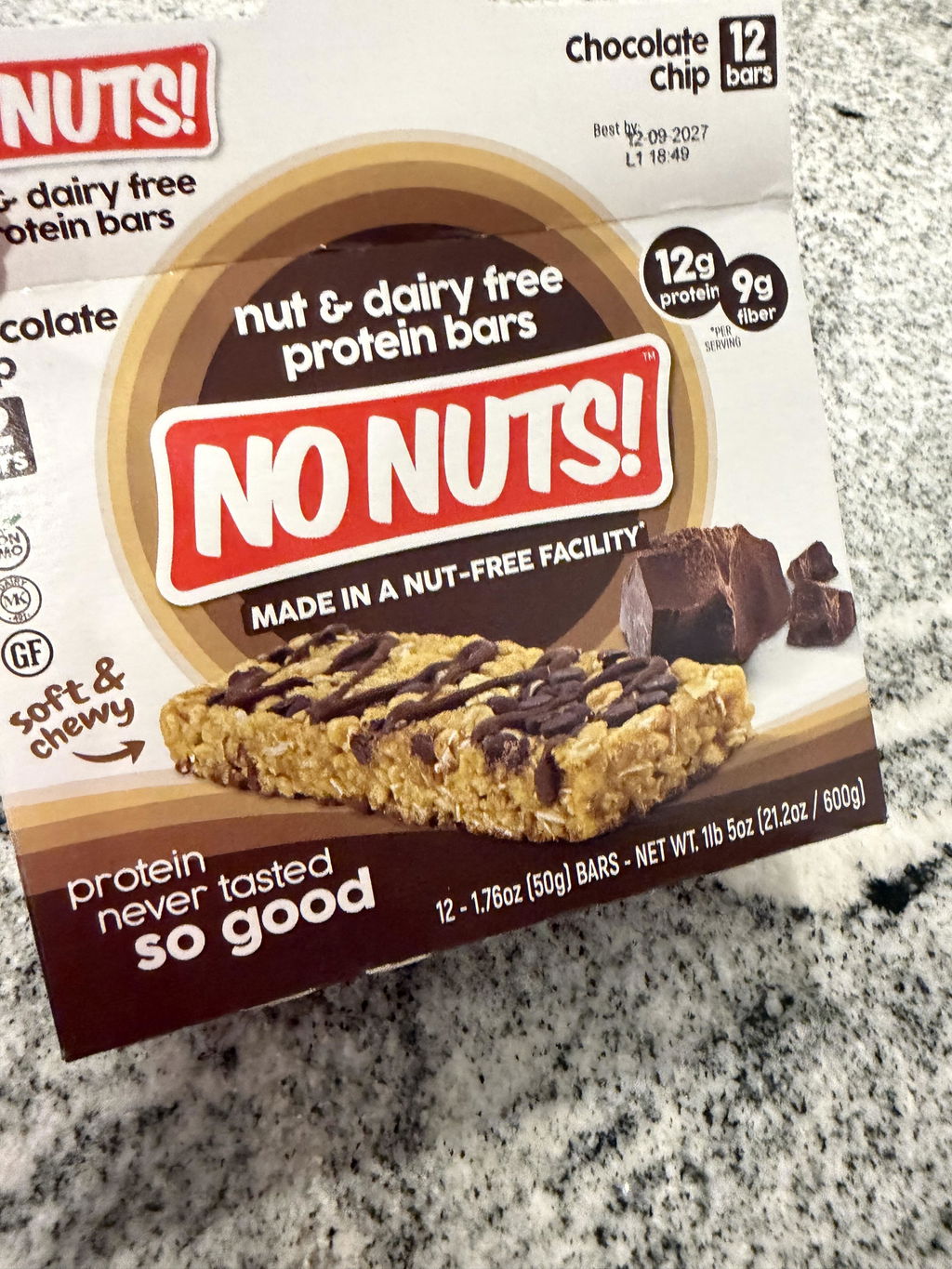
- Provide nut-free alternatives like No Nuts! snack bars at your celebrations
- Label all food items with ingredient information to prevent accidental exposure
- Create designated allergen-free serving areas to avoid cross-contamination
- Consider non-food-centered activities for inclusive holiday celebrations
- Keep emergency plans and medications accessible during all holiday events
Understanding Food Allergies During the Holiday Season
The holiday season brings joy, family gatherings, and delicious food - but for the approximately 32 million Americans living with food allergies, Christmas parties can be a source of anxiety rather than celebration. Food allergies don't take a break during the holidays. In fact, emergency room visits due to allergic reactions often increase during festive seasons when people are more likely to consume foods prepared by others and when traditional seasonal recipes may contain hidden allergens or unexpected ingredients that aren't part of someone's regular diet.
For those with nut allergies especially, holiday buffets and cookie exchanges can be difficult to navigate safely. Traditional Christmas treats like fruitcake, certain cookies, and chocolates often contain nuts or may be produced in facilities where cross-contamination is a concern. Seasonal favorites such as pecan pie, marzipan candies, and nut-topped desserts pose obvious risks, while less apparent dangers lurk in items like chocolate assortments, certain pastries, and even some savory dishes that incorporate nuts for texture or flavor enhancement. This reality can leave people with allergies feeling excluded during what should be the most inclusive time of year, often forcing them to decline invitations or attend gatherings with significant anxiety about food safety.
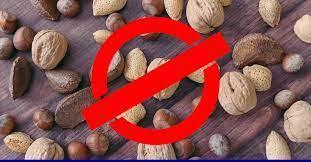
Understanding what food allergies are and how they work is the first step toward creating inclusive holiday celebrations. A food allergy occurs when the immune system identifies a food protein as harmful and launches a defensive response. This reaction can range from mild symptoms like hives and itching to severe, potentially life-threatening anaphylaxis that can include difficulty breathing, swelling of the throat, and a drop in blood pressure. Unlike food intolerances, which primarily cause digestive discomfort, true allergic reactions involve the immune system and can affect multiple body systems simultaneously, making them particularly dangerous and unpredictable.
The eight most common food allergens—often called the "Big 8"—are milk, eggs, fish, shellfish, tree nuts, peanuts, wheat, and soybeans. Recently, sesame was added as the ninth major allergen that requires labeling under the FASTER Act in the United States. Of these, nut allergies tend to be among the most severe and are often lifelong conditions, making awareness particularly important during food-focused celebrations like Christmas parties. Tree nuts (including almonds, walnuts, hazelnuts, cashews, pistachios, and pecans) and peanuts (which are technically legumes but commonly grouped with nuts) account for some of the most severe allergic reactions and are prevalent in holiday cooking and baking traditions worldwide.
Planning a Nut-Free Christmas Party: Essential Preparations
Creating a safe and inclusive Christmas party for guests with nut allergies begins long before the event. Thoughtful planning ensures everyone can enjoy the celebration without worry or feeling singled out because of their dietary restrictions.
Start by clearly communicating about allergies in your invitations. Include a note asking guests to share any dietary restrictions or food allergies, giving you time to plan accordingly. You might write: "We want everyone to enjoy our celebration safely. Please let us know if you or your guests have food allergies or dietary restrictions so we can accommodate your needs." Digital invitation platforms often allow guests to note dietary needs when they RSVP. This simple step shows you care about everyone's well-being and helps create a comfortable atmosphere from the beginning, while also giving you valuable information to plan your menu appropriately.


When planning your menu, consider which traditional holiday foods might contain nuts or nut products. Many classic Christmas dishes contain nuts or nut products that might not be immediately obvious to those without allergy concerns. Being aware of these potential hidden sources can help you make informed decisions about your menu planning: - Stuffing often contains chestnuts or other tree nuts for flavor and texture - Green bean casserole may use almond milk or be topped with sliced almonds for crunch - Gravy might be thickened with nut flours instead of wheat flour, especially in gluten-free versions - Desserts frequently contain nuts or are processed on shared equipment with nut products - Specialty breads and rolls might incorporate nuts or nut oils - Sauces and dressings could contain nut butters or nut oils as thickening agents
For a truly inclusive party, consider making the entire event nut-free. This eliminates the risk of cross-contamination and allows guests with allergies to relax and enjoy themselves without constantly checking food labels or worrying about accidental exposure. No Nuts! snack bars are perfect additions to your party spread, offering delicious options that everyone can enjoy safely while still providing the satisfying flavors and textures people crave during holiday celebrations.
If you're not making the entire event nut-free, create a clearly designated allergen-free area with foods that are guaranteed safe. Use separate serving utensils and place these foods away from potential allergens to prevent cross-contamination. Consider having this area served by someone knowledgeable about the ingredients to further reduce risks. You might use elevated serving platters, different colored serving dishes, or even a separate table entirely to distinguish allergen-free options visually. Clear signage is essential to help guests with allergies easily identify which foods are safe for them.
Delicious Nut-Free Alternatives for Christmas Treats
One of the biggest misconceptions about allergen-free cooking is that it means sacrificing flavor or tradition. In reality, creating a nut-free holiday menu can be an opportunity to explore new recipes and ensure everyone can partake in the feast without compromising on taste or festive appeal. Modern ingredient alternatives and creative cooking approaches mean that nut-free versions of classic holiday favorites can be just as delicious as their traditional counterparts.


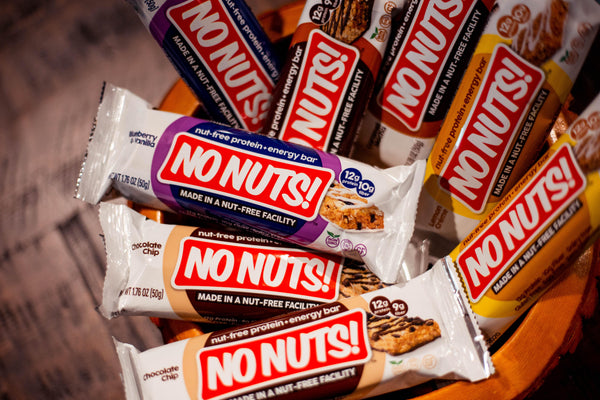
For appetizers and snacks, consider these nut-free options that will satisfy guests while keeping everyone safe: No Nuts! Variety Pack offers four delicious flavors that are completely nut-free and perfect for snacking during gift exchanges or while socializing. You can also serve cheese and charcuterie boards (without nut elements) featuring a variety of safe cheeses, meats, olives, and dried fruits. Vegetable platters with hummus or yogurt-based dips, beautifully arranged in holiday shapes or patterns, are another great option. Bruschetta with various toppings like tomato and basil, mushroom and herb, or roasted pepper mixtures are always crowd-pleasers. Other good choices include stuffed mushrooms with herb and cheese fillings, bacon-wrapped dates (check dates for cross-contamination warnings), and mini quiches or savory tarts with vegetable fillings.
For desserts, which are often the most challenging category for nut allergies due to the prevalence of nuts in traditional holiday baking, try these creative alternatives: No Nuts! Chocolate Chip bars make excellent dessert ingredients or can be served as-is for a ready-made treat. Fruit crisps with oat toppings instead of nuts, featuring seasonal fruits like apples, pears, or cranberries are delicious options. Chocolate-dipped strawberries or other fruits make for an elegant yet simple offering. An ice cream bar with safe toppings (check labels carefully) is always a hit with guests of all ages. Shortbread cookies with decorative icing in place of nut-topped varieties, chocolate mousse or pudding parfaits layered with safe cookies or cake pieces, and traditional Christmas pudding made with safe ingredients and alternative crumbles for texture are all festive choices that everyone can enjoy.

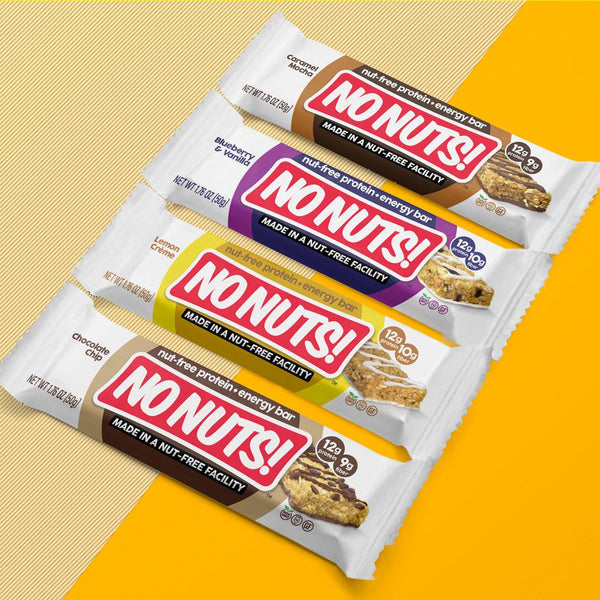
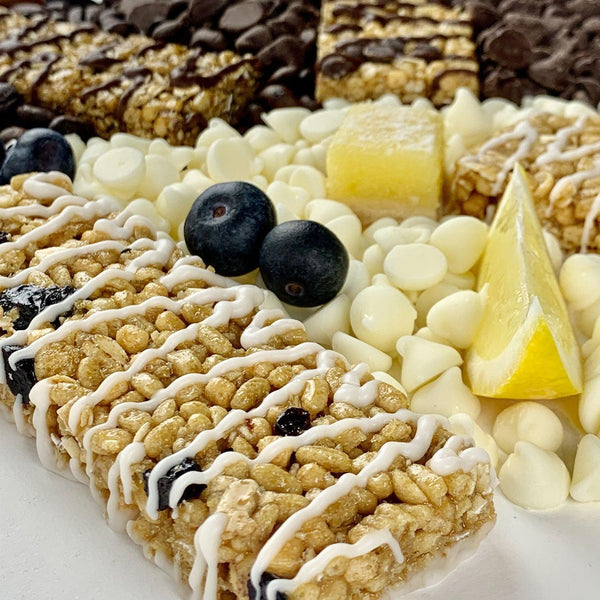
No Nuts! bars can also be creatively incorporated into holiday recipes to add flavor, texture, and nutritional value. You can crumble Chocolate Chip bars as cookie toppings or mix them into cookie dough for added texture. Use Cinnamon Roll bars in place of nuts in morning breakfast casseroles or as a topping for baked apples. Chop Blueberry Vanilla bars as yogurt or ice cream toppings for a fruity flavor boost. Create dessert trifles with layers of crumbled Caramel Mocha bars, whipped cream, and chocolate pudding. Process bars into crumbs to use as pie crusts or cheesecake bases. You can even add chopped bars to homemade trail mix for safe snacking options.
By thinking creatively about substitutions and focusing on the many delicious foods that are naturally nut-free, your Christmas party can offer a feast that everyone will enjoy, regardless of allergies. The key is to emphasize what people can eat rather than what they can't, creating an abundance of safe, delicious options that make everyone feel included in the celebration.
Preventing Cross-Contamination: Safety Measures for Food Preparation
Even with the best intentions, cross-contamination in the kitchen can introduce allergens into otherwise safe foods. Understanding and implementing proper preparation techniques is crucial for truly allergen-safe cooking, especially during busy holiday preparations when multiple dishes are being prepared simultaneously and kitchen space may be limited. For people with severe allergies, even trace amounts of an allergen transferred through shared equipment can trigger a serious reaction.
When preparing multiple dishes, some containing allergens and others allergen-free, follow these kitchen preparation strategies to minimize risk: Prepare allergen-free foods first, before other cooking begins, when surfaces and equipment are freshly cleaned. Use separate cutting boards, utensils, and mixing bowls dedicated exclusively to allergen-free preparation. Clean all surfaces thoroughly between preparations using hot, soapy water to remove all residue. Consider using disposable aluminum pans for allergen-free dishes to eliminate any risk from previously used bakeware. Store allergen-free ingredients and prepared foods separately, preferably on higher shelves to prevent accidental dripping from other foods. Wash hands thoroughly between handling different ingredients, especially after touching nuts or nut products. Consider wearing disposable gloves when preparing allergen-free foods.


Many people don't realize that oils can be a significant source of cross-contamination, particularly in holiday cooking where specialty oils might be introduced for festive recipes. Avoid using peanut or tree nut oils entirely in any dishes, even those not intended for guests with allergies. Don't reuse oil that has been used to cook foods containing allergens, as proteins can remain in the oil. Be aware that some spray oils contain allergens or are processed on shared equipment with nut oils. Check specialty oils like walnut, hazelnut, or almond oil that might be used in holiday recipes. Be cautious with oil-packed ingredients like sun-dried tomatoes or marinated vegetables that may use nut oils.
When using packaged ingredients, thorough label reading is essential and requires attention to detail. Check for "Contains" statements that explicitly list major allergens present in the product. Look for "May contain traces of" or "Processed in a facility that also processes" warnings that indicate potential cross-contamination. Be aware that manufacturers can change ingredients without notice, so check labels even on familiar products. When in doubt, contact the manufacturer directly to confirm allergen status, especially for seasonal or specialty items. Pay special attention to baking ingredients, spice mixes, and pre-made sauces that might contain unexpected allergens. Remember that imported foods may have different labeling requirements and might not clearly indicate allergens.
No Nuts! products are manufactured in a dedicated nut-free facility, eliminating cross-contamination concerns that are common with many packaged snacks and baked goods. These bars are also gluten-free, dairy-free, and vegan, making them suitable for many with multiple food allergies who often face even greater challenges finding safe options during holiday gatherings.
For your Christmas party setup, create clearly marked allergen-free zones where all foods are guaranteed to be free from specific allergens. This gives guests with allergies a safe haven where they can serve themselves without worry. Use separate serving utensils that are clearly different (perhaps color-coded) and place these foods higher up or further from allergen-containing foods to prevent spills or splatters. Consider having a designated server for these foods who understands the importance of preventing cross-contamination and can answer questions about ingredients.
Clear Communication and Labeling: Making Food Safe for Everyone
Clear communication about ingredients is one of the most important aspects of hosting an allergy-friendly Christmas party. Proper labeling and open discussions about food content help guests with allergies navigate the menu safely and enjoy the gathering without constant anxiety about what they can safely consume. Effective communication creates an atmosphere of inclusion and demonstrates care for all guests' wellbeing.
Develop a simple but effective labeling system for all food items at your party. This could include ingredient cards next to each dish listing all ingredients and highlighting potential allergens in bold text. You might use color-coded toothpicks or flags (e.g., red for contains nuts, green for nut-free) that provide visual cues at a glance. Digital QR codes that link to complete ingredient lists are helpful for those who want detailed information. Small tent cards with symbols representing common allergens present or absent in each dish work well too. A master list of all foods served with complete ingredient information available in a central location is also useful. Consider including information about where and how food was prepared to address cross-contamination concerns.


If you're asking guests to bring dishes, provide clear guidelines well in advance to ensure everyone understands the importance of allergen awareness. Request that they bring a list of all ingredients used, including brands where relevant. Ask them to use separate utensils for serving their dish to prevent cross-contamination. Suggest they avoid high-risk ingredients if possible, providing alternatives if needed. Offer to help source safe ingredients or suggest modifications to recipes they want to bring. Remind them about hidden sources of allergens, like pre-packaged ingredients that might contain traces.
Communication should extend beyond just food. Remember that beverages can also contain allergens that might be overlooked in planning. Nut-based milks in coffee and tea stations (almond, cashew, or hazelnut milk) are common. Amaretto or other nut liqueurs in cocktails, punches, or seasonal drinks pose risks. Garnishes like almond slivers on hot chocolate or in coffee drinks should be avoided. Specialty holiday drinks that might contain nut extracts or flavorings need careful consideration. Coffee syrups that may contain nut flavorings or be processed with nut ingredients can be problematic. Cream liqueurs that might contain nut ingredients or flavorings should be clearly labeled.
Set up a separate drink station with guaranteed allergen-free options, and clearly label any drinks that contain potential allergens. Consider providing allergen-free alternatives to popular holiday beverages, such as hot chocolate made with safe ingredients or mulled cider without nut-based spice mixes.
For guests with allergies, it's helpful to approach hosts before the event to discuss your needs in a constructive and appreciative manner. Explain your specific allergies and their severity without causing unnecessary alarm. Offer to bring safe dishes to share that everyone can enjoy, not just "special food" for yourself. Ask about the menu in advance to identify potential concerns and suggest alternatives. Suggest simple accommodations that would help, like keeping certain foods separated or labeled. Express gratitude for any efforts to accommodate your needs, recognizing that awareness is still developing. Offer educational resources if the host seems interested in learning more about food allergies.
This kind of open communication creates an atmosphere where everyone's needs are respected and addressed, making the celebration more enjoyable for all. It also helps normalize discussions about food allergies, reducing stigma and increasing awareness that benefits the broader community beyond just your gathering.
Kid-Friendly Nut-Free Christmas Treats
Children with food allergies face unique challenges during holiday celebrations. They may not fully understand their restrictions, be able to read labels, or know how to advocate for themselves in social situations. Creating a safe environment for the youngest party guests requires extra attention, especially when it comes to tempting Christmas treats that are prominently displayed and freely shared among children. The emotional impact of exclusion can be particularly difficult for children during festive celebrations centered around special foods.
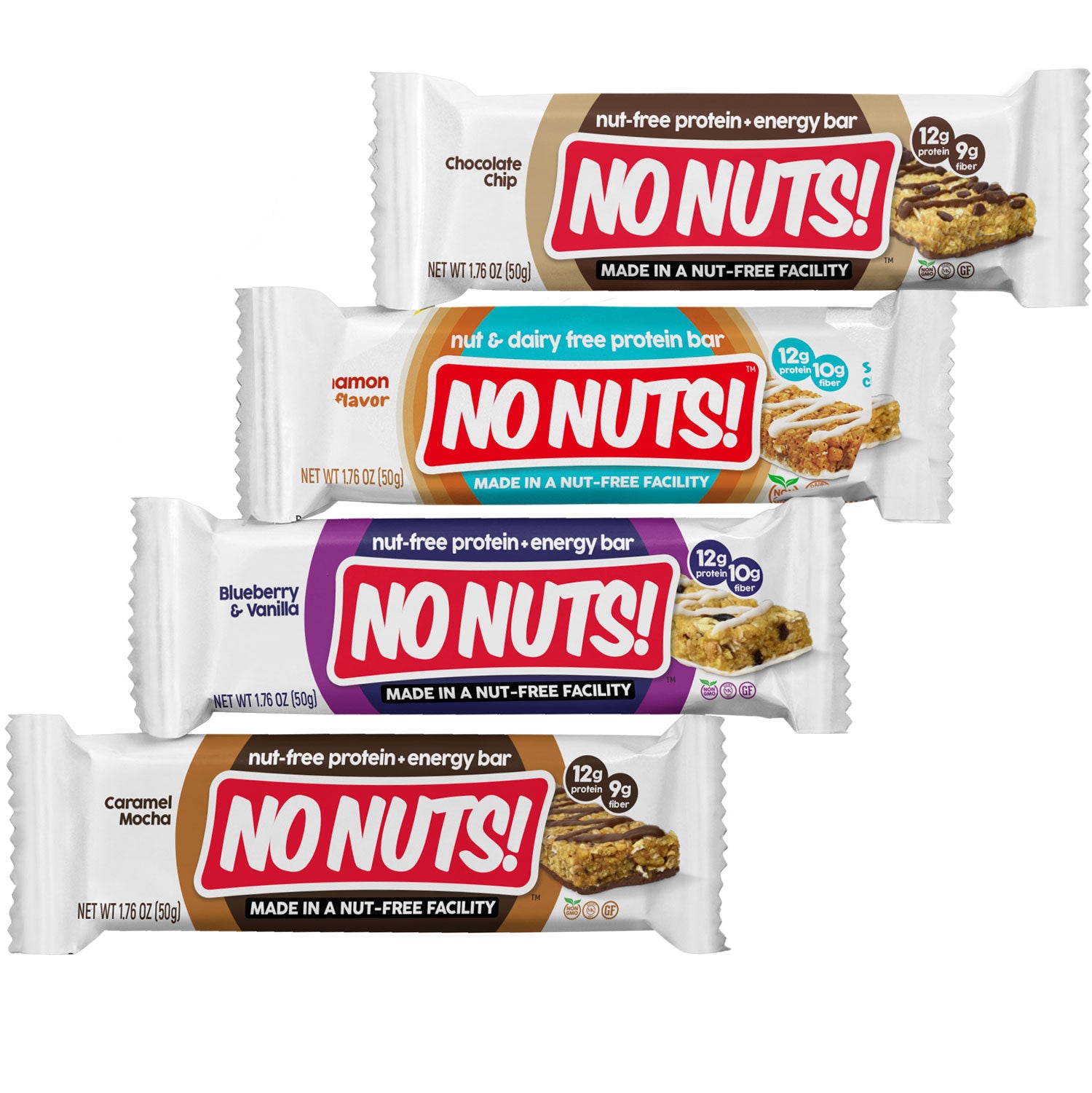

Children love festive foods, and there's no reason they should miss out because of allergies. Here are some kid-friendly allergen-free options for your Christmas party that will delight children while keeping them safe: No Nuts! Chocolate Chip bars are perfect kid-friendly treats that look and taste like cookies but are completely nut-free, offering a safe alternative to traditional Christmas cookies. Cut sandwiches into holiday shapes using cookie cutters (stars, trees, bells) to create festive lunch options. Create "build your own" stations with safe ingredients like safe crackers, vegetables, and dips where children can assemble their own snacks. Serve colorful fruit skewers or vegetable platters arranged in holiday shapes like wreaths or Christmas trees. Make nut-free "reindeer food" with safe cereals, pretzels, and chocolate chips for a fun snack mix. Decorate nut-free sugar cookies with safe frosting and sprinkles as an activity and treat. Prepare chocolate-dipped pretzel rods with safe sprinkles as "magic wands" or "reindeer antlers." Create a hot chocolate bar with safe toppings like marshmallows and safe chocolate chips.
Young children may not understand the severity of food allergies, so it's important to have designated adults who know about allergies supervise food areas. Consider serving all food rather than having a self-serve buffet, keep an eye on food sharing between children, and ensure hand washing before and after eating. Having visual reminders about not sharing food can help reinforce this important safety measure without singling out children with allergies.
No Nuts! Sample Pack is perfect for children's parties, offering variety while ensuring complete safety from nut allergens. Each individually wrapped bar prevents cross-contamination and makes distribution easy, while also allowing for portion control. The bright packaging and kid-friendly flavors like Chocolate Chip and Blueberry Vanilla make them appealing to children, while parents can feel confident about their safety. These bars can be incorporated into goody bags, served as desserts, or kept on hand as safe alternatives if other treats contain allergens.
For parents of children with allergies, it's helpful to reach out to party hosts in advance to discuss your child's allergies and offer solutions. Offer to bring safe treats for your child or to share with all children at the party. Provide clear instructions about what your child can and cannot eat, with age-appropriate explanations. Send your child with a special allergy alert bracelet or necklace that serves as a visual reminder. Make sure the host knows how to recognize symptoms and what to do in an emergency. Consider staying at the party if your child is very young or if the host seems uncertain about managing allergies. Prepare your child with age-appropriate language about their allergy and practice polite ways to decline unsafe foods. Have a positive conversation with your child before events about focusing on the fun activities rather than just the food.
Emergency Preparedness: Being Ready for Allergic Reactions
Despite the best planning and precautions, accidents can happen. Being prepared for potential allergic reactions is an essential part of hosting or attending any holiday gathering when food allergies are a concern. Having an emergency action plan and ensuring key people know how to respond can make the difference between a minor incident and a serious medical emergency.
Everyone at the gathering should be familiar with the signs of an allergic reaction, which can include a range of symptoms that may appear within minutes or up to two hours after exposure. These include hives or rash, often the first visible sign of a reaction; swelling of lips, face, tongue, or throat, which can become dangerous if it affects breathing; difficulty breathing, wheezing, or shortness of breath indicating respiratory involvement; dizziness or fainting due to blood pressure changes; stomach pain, vomiting, or diarrhea, which may be the primary symptoms in some reactions; sense of impending doom or anxiety, which can be an early warning sign; nasal congestion, sneezing, or itchy, watery eyes; and rapid heartbeat or pulse, which may accompany other symptoms.
If someone with known allergies is attending your gathering, have an action plan in place that includes specific steps and responsibilities. Know where their emergency medication (like an epinephrine auto-injector) is located and ensure it's easily accessible. Have at least two responsible adults who know how to administer it correctly and confidently. Keep a clear path to exits in case emergency services are needed, ensuring cars don't block driveways. Have the address of the gathering written down for 911 calls, including any special directions for emergency responders. Know the location of the nearest emergency room and the fastest route to get there. Consider having a designated driver ready in case transportation to a medical facility is needed before ambulance arrival. Keep a written copy of the person's emergency contact information.
If someone does experience an allergic reaction, follow these steps promptly and calmly: 1. Use the epinephrine auto-injector if available and needed, following the device's instructions precisely 2. Call emergency services immediately, even if symptoms improve after using the auto-injector 3. Keep the person calm and lying down with legs elevated to maintain blood flow to vital organs 4. Do not have them stand or walk, as this can accelerate the distribution of allergens through the bloodstream 5. Monitor breathing and be prepared to administer CPR if needed and if you're trained 6. Document the time when symptoms started and when medication was administered 7. Preserve the food packaging or sample of the suspected allergen if possible, to help with later identification
Remember that anaphylaxis can be biphasic, meaning symptoms can return hours after the initial reaction, even if the person seems to have recovered. This delayed second phase can occur up to 72 hours after the initial reaction but most commonly happens within 8-12 hours. This is why it's crucial to seek medical attention even if symptoms improve after using an epinephrine auto-injector, as medical professionals can monitor for delayed reactions and provide additional treatment if needed.
For those with allergies, always carry your emergency medication with you to holiday gatherings. Don't leave it in the car or in a coat pocket in another room. Inform at least two trusted people at the party about your allergy, where your medication is located, and how to use it if needed. Consider wearing medical identification jewelry that alerts others to your allergy if you're unable to communicate during a reaction. Being prepared doesn't mean living in fear—it means taking reasonable precautions that allow you to enjoy social events with confidence.
Beyond Food: Creating Inclusive Holiday Activities
While food is often central to holiday celebrations, there are many ways to create memorable experiences that don't revolve around eating. This is especially valuable for those with food allergies, as it reduces anxiety and creates spaces where allergen concerns aren't at the forefront. Focusing on non-food activities can actually enhance the holiday experience for everyone by emphasizing connection, creativity, and shared experiences.
Consider incorporating these food-free traditions into your holiday gathering to create meaningful memories that don't center on meals. Try ornament-making stations with safe craft supplies where guests can create personalized keepsakes. Holiday movie marathons with cozy blankets, pillows, and a carefully curated playlist of favorites are always a hit. Gift exchanges or Secret Santa arrangements that focus on thoughtfulness rather than expense bring people together. Carol singing or holiday music performances that invite participation regardless of talent level create festive atmosphere. Outdoor activities like sledding, winter walks, or scavenger hunts that incorporate holiday themes get everyone moving and having fun. Game tournaments featuring holiday-themed board games, charades, or trivia contests provide entertainment for all ages. Volunteer activities like creating cards for nursing homes or assembling care packages for those in need add meaning to your celebration. Photo booths with holiday props and backgrounds for creating lasting memories are always popular.

Be aware that some holiday decorations can contain allergens that might not be immediately obvious to hosts or guests. Nutcrackers often have actual nuts in them that could shed particles if handled. Pine cones may be decorated with nut oils or contain nut residues if collected from areas with nut trees. Some potpourri mixes contain nuts or nut shells for texture and appearance. Craft supplies might contain nut oils or nut-based glues, particularly natural or organic varieties. Scented candles or diffusers might use nut oils as carriers for fragrances. Natural garlands might incorporate nuts for decorative purposes. Bird feeders or outdoor decorations often contain peanuts or tree nuts.
Choose allergen-free alternatives and clearly communicate about any decorations that might contain allergens, especially if children with allergies will be present who might handle decorations. Consider keeping high-risk decorative items out of reach or replacing them with safer alternatives that maintain the festive atmosphere without introducing allergens.
Consider establishing new holiday traditions that are naturally allergen-free and focus on experiences rather than consumption. Annual holiday light viewing tours in your neighborhood or at special displays create magical memories. Volunteering together at a local charity emphasizes giving back during the holiday season. Creating a holiday book exchange where everyone brings a wrapped book to share combines gifts with literacy. Starting a "gratitude jar" where everyone contributes notes about what they're thankful for throughout the season builds appreciation. Organizing a holiday-themed scavenger hunt with clues related to your family's traditions adds excitement. Creating time capsules with yearly reflections and predictions for the coming year preserves memories. Establishing a special holiday movie night with themed snacks that are allergen-safe provides cozy entertainment.
By expanding your celebration beyond food, you create more inclusive experiences while potentially establishing meaningful new traditions that everyone can enjoy safely. This approach also takes some of the pressure off those with allergies, allowing them to relax and enjoy the social aspects of the gathering without constant vigilance about food. Many families find that these non-food traditions become the most cherished aspects of their holiday celebrations over time.
Conclusion: Celebrating Safely and Inclusively
Creating safe and inclusive Christmas parties for those with food allergies requires thoughtfulness and planning—but the rewards are immeasurable. When everyone can participate fully without fear, the true spirit of the season shines through. The effort invested in allergen awareness demonstrates care for your guests and creates an atmosphere where genuine connection can flourish without the anxiety that often accompanies food-centered gatherings for those with allergies.

Remember these key takeaways as you prepare for your holiday celebrations: 1. **Communication is essential**: Open, clear conversations between hosts and guests create the foundation for safe gatherings. Establishing dialogue about allergies normalizes these discussions and builds understanding that extends beyond your event. When everyone feels comfortable discussing their needs without judgment, the entire community benefits from increased awareness.
2. **Preparation prevents problems**: From menu planning to emergency readiness, advance preparation makes all the difference. Taking time to research ingredients, understand cross-contamination risks, and plan appropriate alternatives demonstrates care and consideration. This preparation not only creates a safer environment but also reduces stress for hosts and guests alike.
3. **Inclusion matters deeply**: The emotional impact of being included safely in celebrations can't be overstated. For those who have experienced exclusion due to allergies, finding themselves fully welcomed and accommodated creates a profound sense of belonging that embodies the true meaning of holiday gatherings.
4. **Alternatives are abundant**: With products like No Nuts! snack bars and creative recipe substitutions, no one needs to miss out on delicious holiday treats. The growing market of allergen-free products and wealth of adaptable recipes means that inclusive menus can be just as delicious and festive as traditional offerings.
5. **Education creates allies**: Each inclusive gathering is an opportunity to increase awareness and understanding about food allergies. By modeling compassionate accommodation and sharing information, you help create a more knowledgeable community where allergen awareness becomes second nature rather than an exception.
At No Nuts!, we're proud to be part of your safe holiday celebrations. Our commitment to creating delicious, completely nut-free snacks stems from our belief that everyone deserves to enjoy good food without worry. Our products are manufactured in a dedicated nut-free facility and are free from the top allergens, making them perfect additions to any holiday gathering where inclusive enjoyment is a priority.
For more information about managing food allergies during holidays and beyond, explore our blog for additional resources and tips. And remember, with the right planning and the right snacks, this holiday season can be your most inclusive yet! By prioritizing safety without sacrificing celebration, you create experiences where the focus remains on joy, connection, and the true spirit of the season.