How to Choose a Protein Bar by Flavor, Texture, and Everyday Use
Sep 19, 2026
How to Choose a Protein Bar by Flavor, Texture, and Everyday Use starts with a simple question: will you enjoy eating this bar often enough to make it useful? Match the flavor and bite you like with the occasion, then read the full nutrition and ingredient label.
Key Takeaways
| What matters | A practical way to choose |
|---|---|
| Flavor | Pick a profile you already enjoy, such as chocolate, fruit and vanilla, coffee, or cinnamon. |
| Texture | Choose between soft and chewy, crisp, crunchy, or a mix. Notice the finish and aftertaste, too. |
| Nutrition | Read protein, calories, carbohydrates, fat, fiber, and added sugars together. No single number tells the whole story. |
| Ingredients | Check the protein source and the full ingredient and allergen statements for your individual needs. |
| Occasion | Choose a portable snack for a commute, a comfortable pre-workout option, or a more substantial pairing when you need more than a snack. |
| Trying new flavors | Sample a few before stocking up. Our nut-free protein bar collection includes options for different flavor preferences. |
Start with a flavor profile you will want to repeat
Is there a protein bar that actually tastes good? Yes, but taste is personal. The best-tasting protein bars for you are the ones whose sweetness, flavor, and aftertaste you enjoy, not simply the ones with the most dessert-like name.
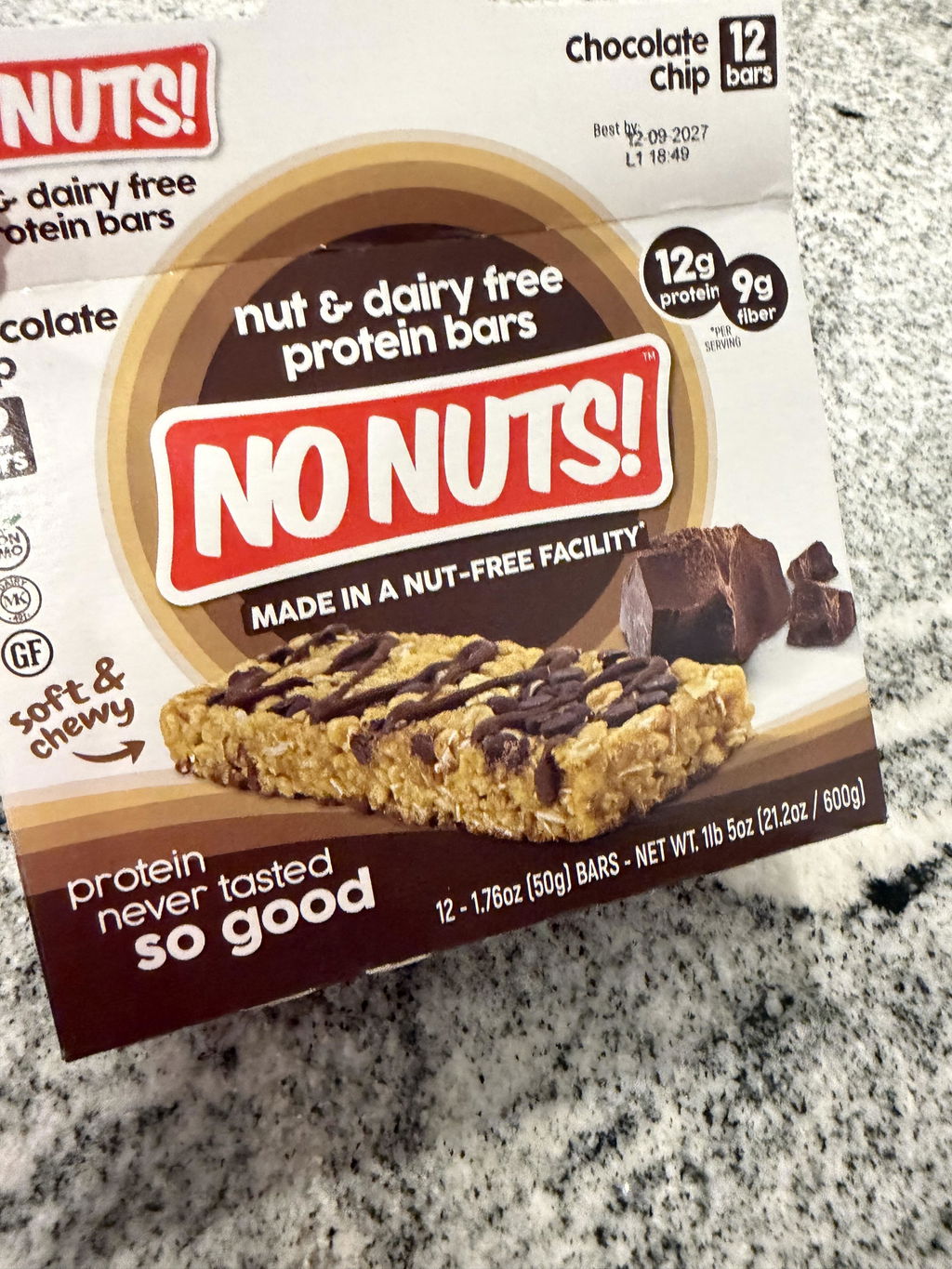
Chocolate chip suits a familiar, chocolate-forward preference, while blueberry and vanilla bring a fruitier, lighter profile. Our Chocolate Chip Snack Bars are slightly chewy with chocolate chips, drizzle, and a chocolate-coated bottom. The Blueberry & Vanilla Snack Bars pair blueberry with vanilla and a slightly chewy bite, also in a 12-bar pack.


Why do protein bars always taste like that? They do not all taste alike, but concentrated protein ingredients, sweeteners, flavorings, and coatings can create a dry, chalky, very sweet, or lingering finish. When you look for high-protein bars that taste good, pay attention to the complete flavor profile, including what you taste after the first bite.
A candy-style flavor or coating can be satisfying, but it does not automatically make a bar the right choice for every time of day. Think about whether you want a rich treat-like snack, a fruit-forward bite, or a flavor you will still enjoy during a regular workday.
Choose the texture and finish you enjoy
Texture affects whether a bar feels pleasant to eat, especially when it is part of your routine. Chewy bars bend and take longer to bite through; crunchy bars have a firmer bite, while crispy bars often feel lighter because of crisped ingredients.
Some bars combine textures, with a soft center, crisp pieces, or a coating. Our Chocolate Caramel Mocha Snack Bars bring together caramel, mocha, and a chocolate bottom, with a texture described as crunchy or chewy. For a softer bite and warm spice, Cinnamon Roll Snack Bars are soft and slightly chewy, with a sweet cinnamon flavor.


Temperature changes the experience, too. A cold bar can feel firmer, while warmth can soften coatings and make a bar sticky, so a bar that needs refrigeration is less convenient to carry all day than a shelf-stable, individually wrapped option.
When comparing two bars, notice whether the first bite is tough or tender, whether crisp pieces stay crisp, and whether the finish is pleasant. Texture is not a small detail; it can be the difference between a bar you look forward to and one left at the bottom of a bag.
A p-value does not show how large or noticeable a difference in texture was. Treat this as a result from the comparison described, not as evidence that high-protein bars generally have better texture. The linked source can provide context about what was tested; your own response to the bite and finish still matters when choosing a bar.
Taste-test before you stock up
Try a few flavors and textures before buying a larger quantity. If you can, compare one bar at the time you expect to eat it, such as during a coffee break or after a walk, because appetite and setting can change what tastes satisfying.
Our No Nuts! Variety Pack contains Chocolate Chip, Cinnamon Roll, Blueberry & Vanilla, and Caramel Mocha in one 12-pack. Once you know which flavor you reach for, a 72-bar Chocolate Chip case offers a larger format for a shared snack cupboard or regular restocking.


Use a simple tasting checklist: flavor (too sweet, balanced, or not sweet enough?), texture (soft, crisp, or tough?), and finish (pleasant or lingering?). Your preference may differ from someone else’s, and that is useful information, not a problem to solve.
To make a comparison useful, taste bars at a similar temperature and in the kind of break when you expect to eat them. Note flavor strength, chew, aftertaste, and whether the bar feels satisfying. Separate deal-breakers from preferences: an ingredient that does not suit your needs or a bar that causes discomfort rules it out; a less familiar flavor may simply be a tie-breaker. A bar that tastes good but does not suit your routine may work better occasionally than as an everyday choice. Choose for repeatability, not novelty or first-bite appeal alone.
The reported choices were close, and the callout says no clear preference emerged in that comparison. That does not mean every person will find the bars identical; it means the result does not support a general winner. For your own choice, use taste and texture alongside the specific bar’s ingredient list and Nutrition Facts panel.
Read the nutrition label as a whole
How can you tell if a protein bar is healthy? Start with the Nutrition Facts panel, then consider the ingredient list and whether the bar fits the way you plan to use it. Compare protein, calories, carbohydrates, fat, fiber, and added sugar together rather than using protein alone as a score.
There is no universal protein-to-calorie rule that makes a bar right for everyone. A smaller bar for a quick snack has a different job from a substantial option after exercise, and a higher calorie count may make sense when you want more energy between meals.
Fiber can support fullness, or satiety, but a large amount of added fiber may not suit every stomach. Look through the ingredients for added fibers such as chicory root or inulin, and pay attention to how your body responds to each bar.
Check the sweetener list, too. Sugar alcohols such as maltitol, sorbitol, or erythritol can cause gas or digestive discomfort for some people, particularly when they eat more than one serving. Added sugar and sugar alcohols are different ingredients, so check both rather than treating them as one label item.
Finally, compare the specific flavor you plan to buy. Different flavors in one product line can have different calories, carbohydrates, fats, fiber, or sugar, so use that bar’s own panel when deciding how it fits your day.
Check the serving size before comparing labels. If you would eat a whole bar, compare the nutrition for a whole bar; if you would eat part of one, compare the amounts for the portions you would actually have. This avoids mistaking a smaller listed serving for a more suitable everyday snack.
Check the protein source and your ingredient needs
Whey, egg, and soy proteins are complete proteins, meaning they provide all the essential amino acids the body needs from food. Plant-based bars may use soy, pea, rice, or blends; combining plant proteins can help complement their amino acid profiles.
The protein source can matter for taste and texture as well as dietary preference. Whey and egg are not suitable for people avoiding dairy or eggs, and soy protein is not suitable for someone with a soy allergy; plant-based does not mean free from every allergen.
Read the full ingredient list and allergen statement for the sensitivities that matter to you. Terms such as Nut-Free, Dairy-Free, or gluten-free describe specific exclusions, not every possible ingredient or cross-contact concern.
For families navigating food allergies, safety details matter alongside flavor. No Nuts! bars are made in a dedicated nut-free facility and are described as dairy-free, egg-free, gluten-free, and plant-based, so you can consider them as nut-free staples for school, work, or travel while still matching the full label to individual needs.
This finding describes the prepared samples and commercial bar in the linked source; it does not establish that every similar bar will taste better or show which option best fits your nutrition needs. Check the source for details about its comparison, and use the package label and your own preferences to choose a bar.
Match the bar to your everyday use
For a desk snack or commute, choose a bar that travels well, feels satisfying in a single sitting, and tastes good at room temperature. Individually wrapped, shelf-stable bars can be convenient for a bag or desk drawer; bars that need refrigeration are less handy when plans change.
Before exercise, choose a familiar flavor and a portion that feels comfortable for you. After exercise, consider whether the bar is enough for your appetite or whether you want to pair it with something else, such as fruit or yogurt, to make a more substantial snack.
A snack bar is not automatically a meal replacement. If you are using one in place of a meal, consider whether its calories, protein, carbohydrates, fat, and fiber provide enough nourishment for that occasion, and add other foods when the bar alone does not meet your needs.
For a high-volume snack station at a school, camp, or workplace, a Chewy Chocolate Chip Snack Bars 192-bar case (8 boxes of 24) is an easy way to stock up. We also offer a bulk case selection of nut-free snack bars for shared settings where dependable, grab-and-go snacks help make everyday routines simpler.


Think about use as a small toolbox: one bar might live in a work bag, another might be packed for a trip, and a familiar favorite can help keep a lunchbox routine simple. Flavor without fear means enjoying the snack while making an informed choice for the person eating it.
Frequently Asked Questions
Can I freeze protein bars to keep them fresh?
Freezing can firm a bar and change the texture of coatings or chewy ingredients. If you freeze one, keep it wrapped and let it thaw before eating so the bite softens evenly.
Can I leave a protein bar in my car?
A car can become much warmer or colder than the room where you normally store snacks, which can soften coatings or make a bar unusually firm. For a better texture, keep everyday bars in a bag or pantry rather than leaving them in a car for long periods.
Are nut-free protein bars safe for someone with a soy allergy?
Nut-free does not mean soy-free; someone with a soy allergy should read the ingredient and allergen statements for soy and consider relevant facility information. If you need a soy-free option, our Chewy Chocolate Chip Granola Bars are made without soy and the other major U.S. allergens.
Can children eat protein bars every day?
A bar can be a convenient snack, but a child’s appetite, age, activity, and overall diet matter. Use the bar as one part of varied meals and snacks, and choose options that suit the child’s ingredient needs and portion.
Is it okay to split a protein bar into two snacks?
Yes, you can divide a bar if a full serving feels like too much at once. Wrap the remaining portion securely and store it in a cool, dry place so it stays protected between servings.
Conclusion
How to Choose a Protein Bar by Flavor, Texture, and Everyday Use comes down to finding a bar you enjoy, checking its full nutrition and ingredient profile, and matching it to the moment. Sample flavors, notice texture and aftertaste, and choose with confidence for your everyday routine, school-safe snack needs, or next trip.
A note on allergies: This article is general information, not medical advice. Ingredients and facility practices can change, so always read the full label and allergen statement before eating any food, and talk with your doctor or allergist about your own needs.
No Nuts! protein bars (Chocolate Chip, Blueberry & Vanilla, Caramel Mocha and Cinnamon Roll) are made in a nut-free facility, and every ingredient is listed on our ingredients page. Our Chewy Chocolate Chip Granola Bars are made without the 9 major U.S. allergens (including soy); the facility also processes coconut.