How to Build an Allergy-Friendly Halloween Treat Bag
Oct 19, 2026
How to Build an Allergy-Friendly Halloween Treat Bag starts with one simple step: finding out what each child can safely enjoy. With thoughtful food choices, appealing non-food treats, and clear separation between the two, we can make Halloween feel festive and inclusive without asking families to guess.
Key Takeaways
| Question | Quick answer |
|---|---|
| What Halloween treats are safe for people with allergies? | Suitability depends on the child’s specific allergies, the current package information, and the family’s guidance. |
| Can I put food and non-food treats in the same Halloween treat bag? | Yes, if food stays sealed and physically separate from non-food items in clearly distinct sections or pouches; do not mix them loose. |
| What non-food items work well as Halloween bag fillers? | Stickers, pencils, temporary tattoos, and age-appropriate activity items make simple candy-free alternatives. |
| How can I package individual treats for trick-or-treating? | Keep food in its original sealed package so caregivers can read the ingredient and allergen information. |
| How can I let trick-or-treaters know I have non-food options? | Set non-food treats in a separate, clearly marked container. A teal pumpkin can signal that these choices are available. |
| Where can I find nut-free snack ideas? | Our nut-free snack bar collection offers one place to browse individually packaged bar options. |
Start with the child’s specific allergy needs
The best allergy-friendly Halloween treat bag is tailored to the child who will receive it. Ask their caregiver which allergens matter, whether cross-contact is a concern, and what guidance they want you to follow, because avoiding only common allergens may not cover that child’s needs.
Labels such as allergen-friendly or free from major allergens are broad descriptions, not proof that a treat suits every child. A food can avoid one set of ingredients and still contain something a particular child needs to avoid.
When you do not know a child’s needs, include non-food treats so they can join the fun without having to explain their dietary restrictions. That small choice helps make Halloween welcoming, not stressful.
Packaged bars are one example of a food treat families may choose to assess, but the child’s own allergy needs still guide that decision.


Choose packaged food treats with care
For packaged Halloween treats, read the current ingredient list and allergen information on every item. Recipes and packaging can change, so an old online ingredient list is not a reliable substitute for the label on the treat you plan to hand out.
Pay attention to precautionary allergen statements, including “may contain” wording, and follow the child’s family guidance rather than deciding for them that a treat is safe. Keep food in its original sealed package so caregivers can inspect the ingredients and allergen information themselves.
Terms such as vegan and gluten-free describe particular dietary attributes. They do not establish that a food is suitable for a child with a different food allergy.
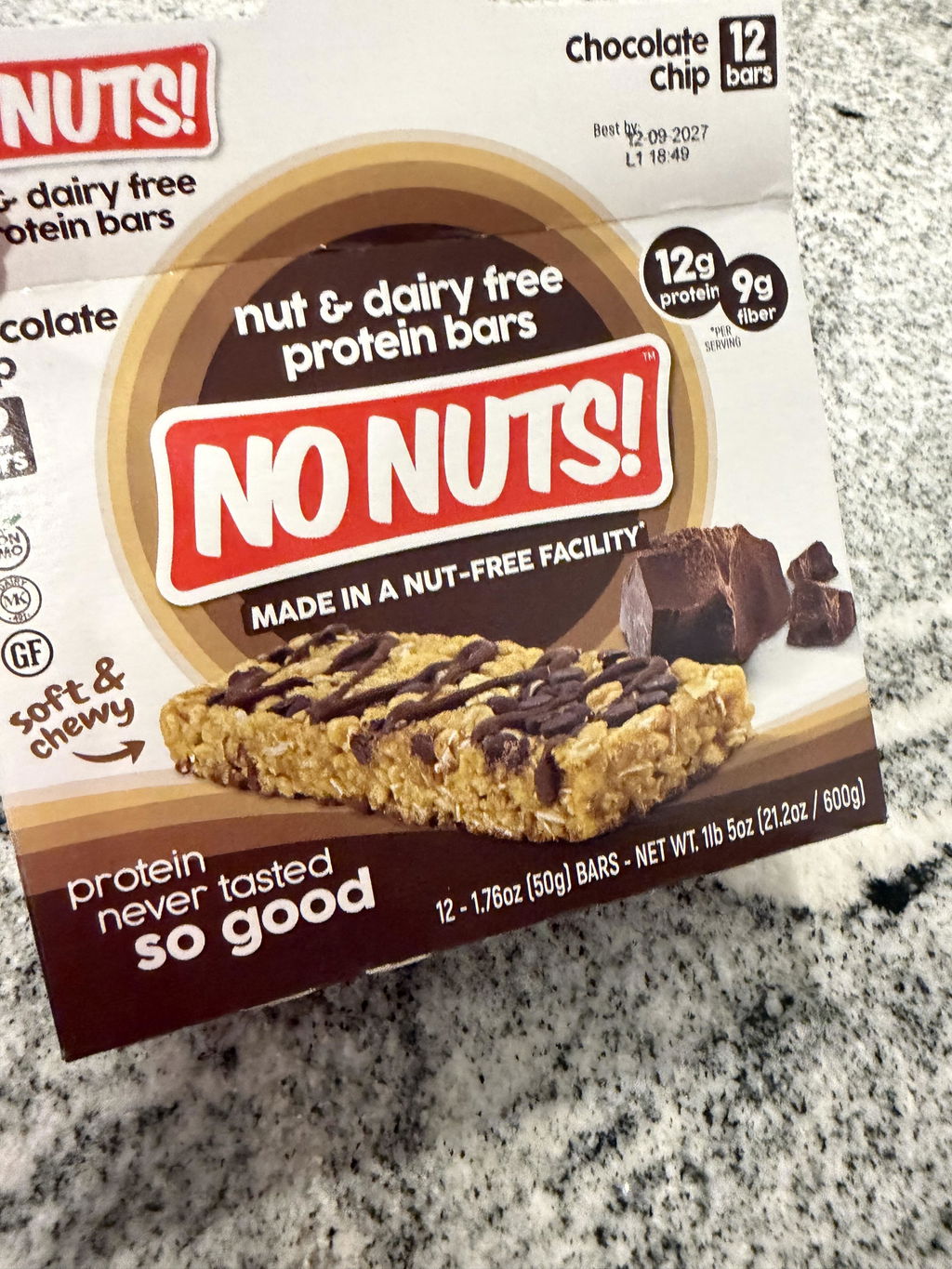
For a packaged snack example, the Chocolate Chip Snack Bars - 12 Bar Pack is a carton of 12 bars described as nut-free, dairy-free, egg-free, vegan/plant-based, and non-GMO, with 12g of protein and 9g of fiber. Its original package gives caregivers information to assess for their child.

Individually wrapped bars make it easy to keep each food item sealed while families review its label. A caregiver can use the information on each current wrapper to assess the bars for the child.
For a child avoiding peanuts or tree nuts, the Chocolate Chip Snack Bars described above can be a candidate for the caregiver to assess, not an automatic yes. Compare the current wrapper and outer package, including ingredients, precautionary statements, and any shared-facility information. If the individual wrapper omits details, keep the carton available. Mini candies and loose bulk candy can be harder to verify, so leave them out unless the family has approved them.


This is a reported study finding, not an estimate of any one child’s chance of reacting or a guarantee about any particular treat. Use it as context; the child’s individual allergy plan and current package information still determine what to offer.
Add non-food fillers that suit the children receiving them
Stickers, pencils, temporary tattoos, and small activity items make cheerful candy-free alternatives. Choose items that are easy to carry and simple to use, so a child can enjoy them without needing extra supplies or a complicated setup.
Check the toy’s age guidance before adding it to a bag. Small parts can pose a choking risk for young children, so skip fillers that are unsuitable for the ages likely to come to your door.
- For quick fun: Choose a sheet of stickers or a temporary tattoo.
- For drawing and writing: Add a pencil that fits easily in the bag.
- For a little activity: Choose a simple, age-appropriate item that children can use without loose pieces.
A few thoughtful options can go a long way. We are building a movement toward inclusive eating, and a bag that offers a child a choice is part of that work.
Assemble and decorate bags with cross-contact in mind
Wash your hands and clean the work surface before you start packing. Food residue from another snack can transfer to a wrapper or treat, so a clean setup is a practical first step for reducing cross-contact.
Keep food and non-food fillers separate during assembly, and do not place loose food beside toys or craft supplies. Leave packaged food sealed, then put it in its own section or small pouch so it stays apart from other bag contents.
Simple decorations can make DIY Halloween treat bags feel special without adding more food. Try a pumpkin, ghost, or bat theme with colored paper, stickers, or ribbon.
Keep the fun visible and the choices clear. A themed bag can feel festive while food and non-food treats remain easy to tell apart.

Make food and non-food choices easy to tell apart
Set food and non-food treats in separate bowls, containers, or clearly marked sections instead of mixing them together. Clear separation helps trick-or-treaters and caregivers spot the choice they prefer without handling every item.
A simple sign can label the container for non-food options. A teal pumpkin or a Teal Pumpkin Project sign also signals that non-food treats are available, but it does not certify that the food options are safe for every allergy.
Keep the sign easy to see from where children approach, and put non-food options within reach. Families can then choose the type of treat that works for them without needing to sort through a mixed bowl.
Offer variety without making safety claims
More than one kind of non-food filler can make a treat station feel welcoming to children with different ages and interests. If you include packaged food, keep each option distinct so a caregiver can assess its own ingredients and allergen information.
A four-flavor food option can add variety while remaining individually packaged. The No Nuts! Variety Pack contains three bars in each of four flavors: Chocolate Chip, Cinnamon Roll, Blueberry & Vanilla, and Caramel Mocha.

The Variety Pack bars are made in a dedicated nut-free facility. Families still decide whether a particular food works for their child.
For another look at an assortment of individually wrapped bars, our No Nuts! variety-pack selection shows a range of flavors in one package format. Keeping every food choice sealed and separate makes it easier for caregivers to make their own decision.
Let the package information and the family’s guidance, rather than the look of the assortment, guide whether a food belongs in a child’s bag.
Frequently Asked Questions
What should I do if a child says they cannot have a treat in their bag?
Thank them for telling you and let them decline without asking them to explain their allergy. Offer a non-food choice if you have one, or invite their caregiver to choose what feels right.
Can I include homemade food in an allergy-friendly Halloween treat bag?
Homemade treats do not come with a standard ingredient panel, so caregivers may have a harder time assessing ingredients and preparation. For a group handout, save homemade food for situations where each child’s caregiver can review the recipe and how it was prepared directly.
How many non-food items should I put in each treat bag?
There is no single number that suits every bag. Choose an amount that feels manageable and gives children a real option, rather than filling a bag simply to match the volume of candy.
What should I do if a child shows signs of an allergic reaction?
Follow the child’s emergency action plan and get help from their caregiver immediately. If they show signs of a serious reaction, use prescribed emergency medication as directed and call emergency services. Keep prescribed epinephrine with the responsible caregiver during trick-or-treating.
Should children trade Halloween treats with one another?
Let each child’s caregiver decide whether a treat can be traded or shared, rather than leaving children to negotiate food choices on their own. A wrapper and its ingredient information should stay with the treat so the adult reviewing it has the details they need.
After trick-or-treating, have an adult review every item before the child eats or trades anything. Keep treats in their original wrappers and compare the ingredient and allergen information with the child’s current plan. Set aside anything unlabeled, opened, damaged, or not approved; do not rely on appearance or a familiar brand, since packaging and recipes can change. Agree on swaps in advance, such as a packaged alternative the caregiver has already checked or a non-food treat from home. Keep set-aside items apart from approved treats to prevent mix-ups. If information is missing or cross-contact is a concern, ask the caregiver rather than guessing.
Can I put a small toy in every allergy-friendly Halloween treat bag?
You can, as long as the item suits the ages of the children receiving it and does not have parts that are unsafe for them. If you do not know the age group, choose a simple filler with no small detachable pieces.
What Halloween treats are safe for people with allergies?
There is no treat that is safe for everyone with allergies; suitability depends on the person’s specific allergies and the risk of cross-contact. Choose sealed treats only after reviewing the current ingredient and allergen information, and offer non-food alternatives when needs are unknown.
What are some DIY Halloween treat bags I can make?
Choose a bag with a wide opening; decorate it before packing, then place sealed food and non-food fillers in separate sections. Face package labels outward for caregivers.
How to make your own treat bags?
Arrange the treats so caregivers can see the package labels without having to unpack the bag.
Conclusion
How to Build an Allergy-Friendly Halloween Treat Bag comes down to personal needs, careful packaging, and clear choices. Ask caregivers what matters for their child, use current labels when offering food, and give children a fun non-food option too.
With clean hands, separated treats, and a little Halloween color, we can make a bag that feels joyful and inclusive. Flavor without fear starts with listening, and every child deserves to feel part of the celebration.
A note on allergies: This article is general information, not medical advice. Ingredients and facility practices can change, so always read the full label and allergen statement before eating any food, and talk with your doctor or allergist about your own needs.
No Nuts! protein bars (Chocolate Chip, Blueberry & Vanilla, Caramel Mocha and Cinnamon Roll) are made in a nut-free facility, and every ingredient is listed on our ingredients page. Our Chewy Chocolate Chip Granola Bars are made without the 9 major U.S. allergens (including soy); the facility also processes coconut.