

Classroom Nut-Free Snack Policy Implementation: A Practical Guide For Safer, Happier School Snacking
Sep 06, 2026
Nut allergies can turn an ordinary classroom snack into a serious concern. When we help schools adopt a clear, well-communicated nut-free snack policy, we give every student the chance to enjoy snack time with more confidence, and we give parents and teachers a clear plan to follow. In this guide, we walk through how to plan, communicate, and maintain a classroom nut-free snack policy using practical steps, real classroom examples, and school-safe nut-free snack ideas.
Key Takeaways
| Question | Answer |
|---|---|
| What is a classroom nut-free snack policy? | A set of clear rules that require all snacks brought into the classroom to be free of peanuts, tree nuts, and products made in facilities that process nuts, to help protect students with allergies. |
| Why do schools need nut-free snack options? | Because even small amounts of nuts can cause severe reactions for some students, schools use nut-free policies and snacks to make snack time safer and more inclusive for everyone. |
| Where can we find school-safe nut-free snack bars? | Nut-free, school-safe snack bar options are available in the No Nuts! Variety Pack collection, which is crafted specifically with classroom and school policies in mind. |
| How can we be sure snacks are completely nut-free? | Look for products made in a nut-free facility with clear ingredient lists and allergen statements, and review detailed ingredients, like those listed on the Nut-Free Ingredients page. |
| Can a whole class use one nut-free snack brand? | Yes, some schools choose a standard nut-free snack option, such as items from the No Nuts! Energy Bars collection, to simplify compliance and reduce confusion. |
| How can larger schools stock nut-free snacks affordably? | Schools and programs can explore bulk ordering and program partnerships, such as the No Nuts! Wholesale page, to support classroom nut-free snack policies at scale. |
| Where can parents ask detailed allergen questions? | Parents and staff can review allergen safety information in the FAQ section and reach out directly for clarification when needed. |
1. Why Classroom Nut-Free Snack Policies Matter
Nut-free snack policies are about more than rules. They are about protecting children who live with life-threatening allergies and making sure they feel included at the table with their classmates. When we say "no nuts," we are really saying "yes" to belonging and to snack time every child can join.
A well-implemented policy reduces the emotional load on families managing allergies and gives teachers a clear framework to follow. It turns snack time from a potential risk point into a predictable routine that everyone understands. That predictability is key for both safety and trust.


2. Core Components Of A Classroom Nut-Free Snack Policy
Every strong classroom policy starts with clear definitions. For nut-free snack policies, that means spelling out which nuts are excluded, how "nut-free" is defined, and whether snacks made in shared facilities are allowed. Written guidelines help families choose snacks confidently instead of guessing at the grocery shelf.
To support policies, we rely on products made in a nut-free facility, with consistent labeling and transparent ingredient lists. This removes the gray areas around "may contain" or "processed in a facility" warnings that can create anxiety for caregivers and school nurses. Clarity makes compliance easier and safer for everyone.


3. Understanding Allergens, Cross-Contact, And Label Reading
A classroom policy works best when families and staff understand why it exists. Nut allergies can trigger reactions from even trace amounts of allergens, including from cross-contact during manufacturing or food handling. That is why many schools require snacks that are both nut-free in ingredients and produced in a nut-free facility.
We encourage parents and teachers to become label detectives. That means scanning the ingredient list, the allergen statement, and any "may contain" notes. Products that are clearly labeled as nut-free, with accessible nutrition and ingredient panels, make daily decisions for the classroom far more straightforward and far less stressful.


4. Building Your Nut-Free Snack List: Safe, Consistent Options
One of the easiest ways to support your nut-free classroom policy is to give families a simple, approved snack list. When parents know exactly which brands and products the school has approved, they spend less time researching and more time choosing snacks their kids are excited to eat. It also reduces the number of items that need to be checked or sent home.
We have seen many classrooms adopt a short list of school-safe nut-free bars, fruit, and packaged snacks that meet consistent standards. Nut-free bars that are also dairy-free, gluten-free, and vegan help cover multiple dietary needs at once, so no one feels left out during class celebrations or daily snack breaks.
5. Planning For Nutrition: Protein, Fiber, And Energy For Learning
A nut-free snack policy should not mean sacrificing nutrition. Students still need snacks that fuel focus, movement, and growth throughout the school day. That is why we pay attention to protein, fiber, and total calories when suggesting classroom-ready snack options.
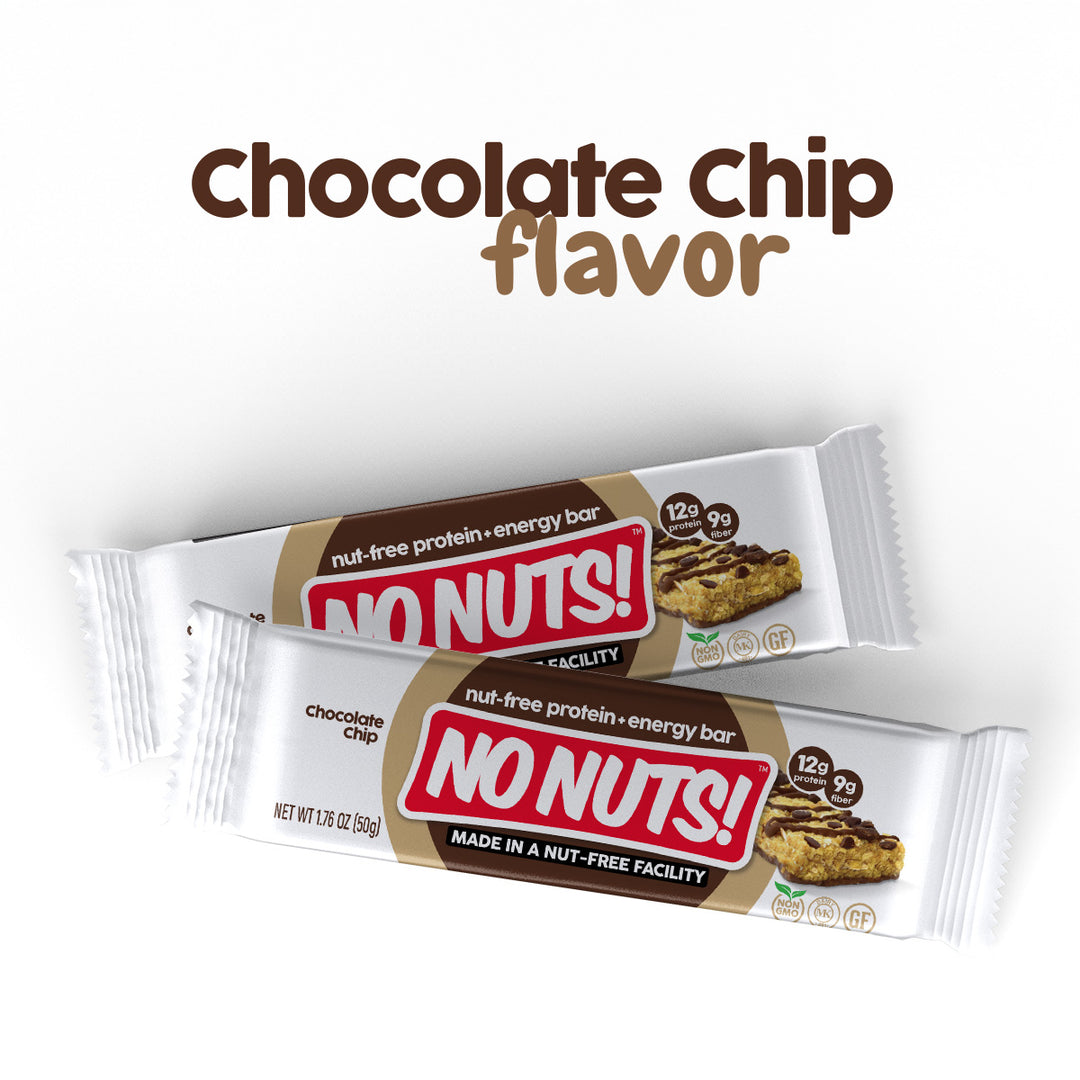
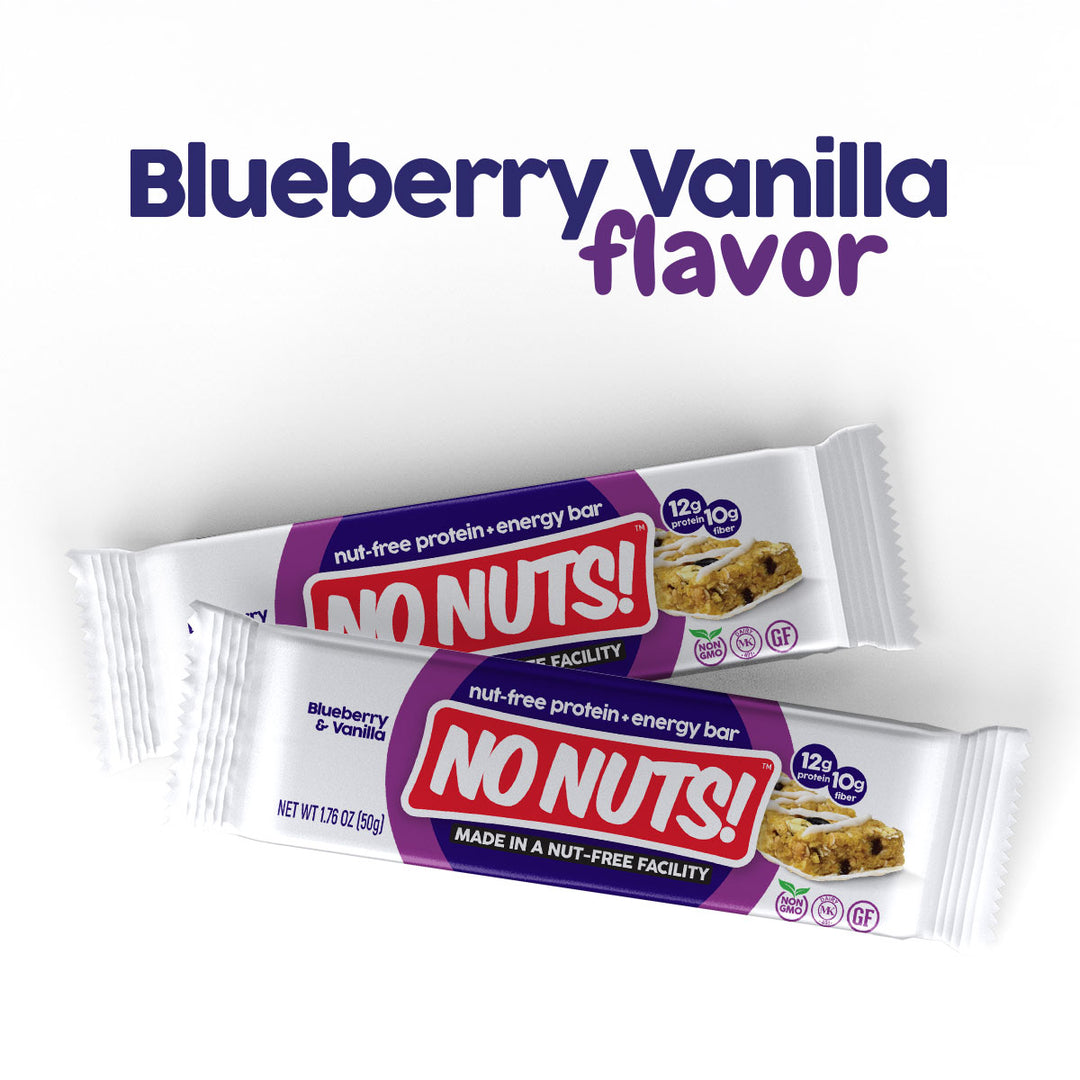
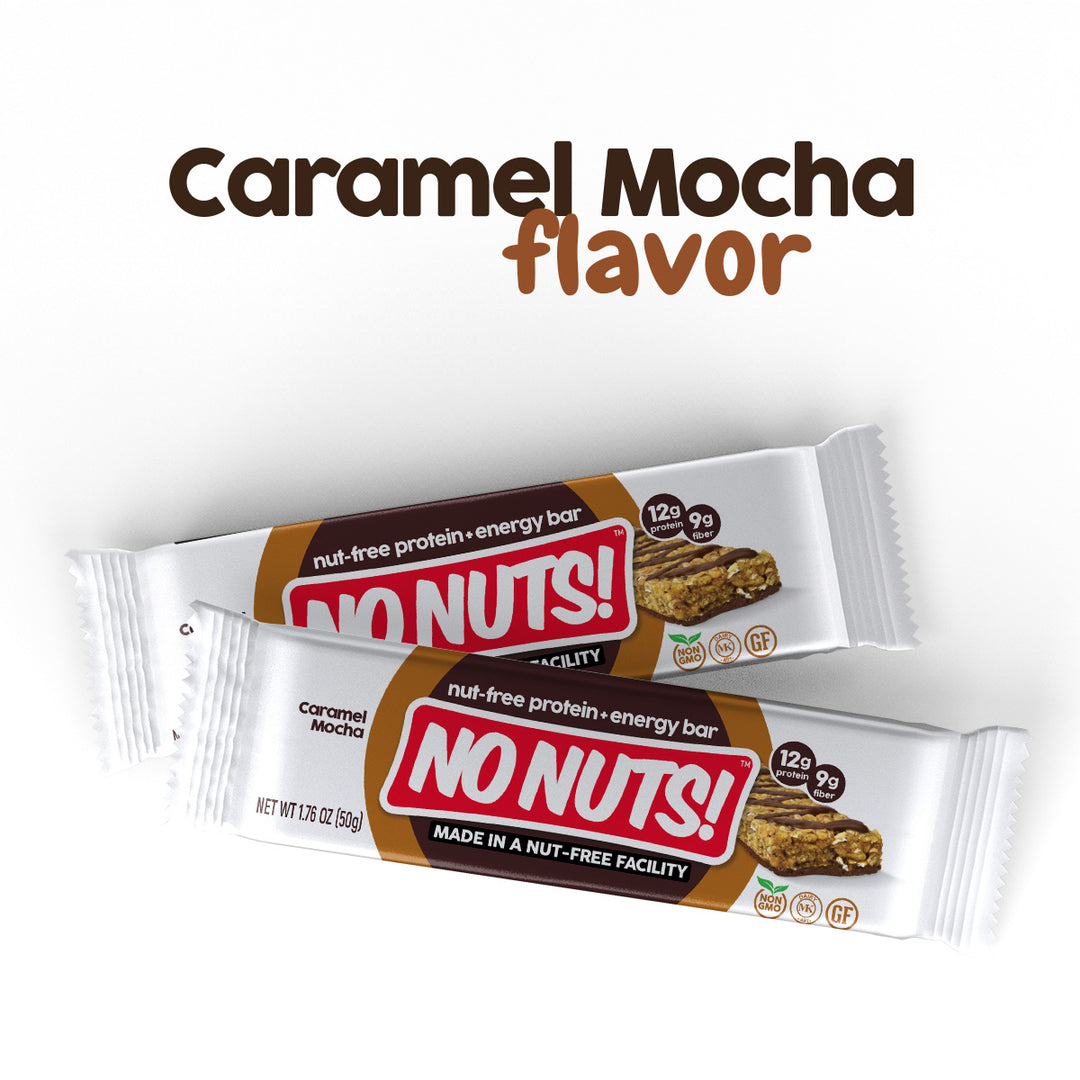
For example, the nut-free protein bars in our line provide 12 g of protein and 9 to 10 g of fiber per bar, at 190 calories. A snack with protein and fiber can help kids stay full between meals, which is especially helpful during long mornings of learning.
| Flavor | Protein | Fiber | Dietary Notes |
|---|---|---|---|
| Chocolate Chip | 12 g | 9 g | Nut-free, dairy-free, gluten-free, vegan (contains soy) |
| Blueberry & Vanilla | 12 g | 10 g | Nut-free, dairy-free, gluten-free, vegan (contains soy) |
| Caramel Mocha | 12 g | 9 g | Nut-free, dairy-free, gluten-free, vegan (contains soy) |
| Cinnamon Roll | 12 g | 9 g | Nut-free, dairy-free, gluten-free, vegan (contains soy) |
6. No Nuts! Variety Pack: A Classroom-Friendly Nut-Free Solution
Why Variety Packs Work For Classrooms
Teachers and parents tell us that variety is essential when the whole class shares a standard snack. Our No Nuts! Variety Pack brings together Chocolate Chip, Cinnamon Roll, Blueberry & Vanilla, and Caramel Mocha in one classroom-ready box. It lets students choose flavors they love while every option still fits a nut-free policy.
A single 12-count box can cover several snack times or a small classroom celebration. Since every bar comes from the same nut-free facility, staff can offer any flavor without checking each one for nut ingredients. The bars do contain soy, so students with a soy allergy will need a different option.
School-Safe, Soft & Chewy, Kid-Approved
We design our bars to be soft and chewy so younger students can enjoy them easily during quick snack breaks. Each bar balances crave-worthy flavor with fiber and protein parents appreciate. When classrooms use a single, trusted variety pack, snack distribution is simple and inclusive.


7. No Nuts! Energy Bars Collection: Standardizing Classroom Snacks
Using One Nut-Free Snack Line Across Grades
Some schools prefer to standardize on one snack line for after-school programs, testing days, or classroom rewards. Our No Nuts! Energy Bars collection was designed as a nut-free line that can be safely served in nut-aware environments. Each flavor follows the same allergy-friendly approach and nutritional balance.
Flavors like Chocolate Chip, Blueberry & Vanilla, Caramel Mocha, and Cinnamon Roll come in 12-count boxes, and the Variety Pack mixes all four. When a school or PTA chooses to stock these for classroom use, they simplify purchasing, storage, and distribution for staff, coaches, and volunteers.
Support For Active Students And Busy Teachers
We also see teachers reaching for these bars as a quick, easy snack during long days. Because they are nut-free, dairy-free, gluten-free, and vegan, they work for many students and colleagues with different dietary needs (they do contain soy). That flexibility fits naturally with classroom nut-free snack policies.


8. Sampling And Introducing Nut-Free Snacks To Families
Using Small Packs To Build Buy-In
When a school or teacher introduces a new nut-free snack option, sampling can help families and students feel excited rather than restricted. A single Variety Pack, with three bars of each flavor, is a friendly way to let families test flavors at home before they add them to lunchboxes.
We often see classrooms send home a short information sheet about their nut-free policy along with sample bars for families to try. This turns policy communication into something positive, tasty, and interactive, and it encourages students to participate in choosing their new favorite school-safe snacks.
Gathering Feedback From Students And Staff
As you roll out your classroom nut-free snack policy, invite students to share which flavors they like best. Teachers and school nurses can also give input on how well snack options store, distribute, and fit with the school day. This feedback loop keeps your policy practical and student centered.

9. Scaling Your Policy: Bulk Ordering And Program Support
Supporting Nut-Free Policies Across Multiple Classrooms
As more classrooms adopt nut-free snack rules, schools often look for ways to manage cost and logistics. Bulk ordering helps districts, PTAs, and youth programs keep consistent, safe snacks on hand without last-minute store runs. It also lets programs support students with allergies during field trips, after-school clubs, and testing days.
When choosing products for bulk orders, look for brands that clearly state their nut-free facility status and provide accessible allergen information. That transparency reduces paperwork and approval time for school nurses, and it makes it easier to write consistent guidelines across grade levels.
Aligning Purchasing With Policy Goals
Your purchasing decisions send a clear signal about how seriously you take nut-free policies and allergy safety. By stocking only nut-free, classroom-safe snacks, you make it easy for staff and volunteers to stay in compliance. Over time, this consistency builds trust with families who rely on the school to protect their children every day.
10. Communicating Your Nut-Free Snack Policy To Families
Implementation succeeds or fails on communication. We encourage schools to share their nut-free classroom snack policy in welcome packets, classroom newsletters, and back-to-school nights. Clear, friendly language helps families understand that this is about protecting children and making snack time enjoyable for all.
Many schools include a one-page guide that explains which nuts are restricted, how to read labels, and which products the school has approved. When you pair that with consistent messaging from teachers and administrators, parents feel supported instead of singled out or overwhelmed.
Tip: Invite families managing nut or other food allergies to review the policy each year and suggest improvements. Their lived experience is invaluable in shaping realistic, effective guidelines.

11. Practical Classroom Tips For Day-To-Day Implementation
Even with a strong policy in place, everyday routines matter. Teachers can create a designated snack area, use handwashing or wipes before and after snack time, and have a simple visual chart showing approved snack categories. These small habits support both cleanliness and allergy safety.
Keeping a small reserve of nut-free, school-approved snacks on hand helps when a student forgets their snack or brings something that does not meet the policy. That way no one has to sit out or feel embarrassed, and the policy stays intact. When we prepare for these moments, we protect students and preserve classroom harmony.
- Post nut-free policy reminders near classroom doors and snack areas.
- Train substitute teachers on snack time rules and emergency procedures.
- Coordinate with the school nurse about where epinephrine and allergy plans are stored.
Conclusion
Classroom nut-free snack policy implementation is about balancing safety, simplicity, and joy. When we combine clear written rules, thoughtful communication, and reliable nut-free snack options, we create classrooms where every child can enjoy snack time without fear.
By choosing snacks made in a nut-free facility, building an approved snack list, and inviting families into the process, schools can turn a challenging allergy landscape into a manageable daily routine. Most of all, we show students with nut allergies that they are seen, protected, and fully included in one of the most universal school rituals, sharing a snack with friends.
A note on allergies: This article is general information, not medical advice. Ingredients and facility practices can change, so always read the full label and allergen statement before eating any food, and talk with your doctor or allergist about your own needs.
No Nuts! protein bars (Chocolate Chip, Blueberry & Vanilla, Caramel Mocha and Cinnamon Roll) are made in a nut-free facility and contain soy. Our Chewy Chocolate Chip Granola Bars are made without the 9 major U.S. allergens; the facility also processes coconut.

