Can You Eat Seeds With a Nut Allergy? Sunflower Seeds and What to Know Before You Snack
Aug 03, 2026
If you're managing a nut allergy, you've probably wondered: can you eat seeds with a nut allergy? Sunflower seeds seem like an obvious substitute, but research shows that 50% of adults with a confirmed sunflower seed allergy have experienced anaphylaxis, according to the American Academy of Allergy, Asthma & Immunology (AAAAI). That number alone is a reason to slow down before assuming seeds are automatically a "safe" swap for nuts.
Key Takeaways
- Sunflower seeds are not nuts, but they can still trigger allergic reactions in some people, including those who also have tree nut allergies.
- Half of adults with a true sunflower seed allergy have experienced anaphylaxis, a severe and potentially life-threatening reaction.
- Pediatric sunflower seed allergy diagnoses have climbed steadily, with a 21% annual increase in odds of diagnosis between 1995 and 2021.
- Cross-reactivity with Artemisia pollen (found in ragweed and mugwort) affects 71% of sunflower-allergic adults on skin testing.
- Reading labels carefully matters because "seeds" and "nuts" are often processed in shared facilities, raising cross-contamination risk.
- Snacks and bars made in dedicated nut-free facilities take that guesswork out of your hands.
- If you want a school-safe, allergy-friendly option, our no-nuts variety pack is made without nuts, seeds as major allergens, or dairy.
Can You Eat Seeds With a Nut Allergy? The Honest Answer
The short answer is: it depends on the person and the seed. Botanically, sunflower seeds are not related to tree nuts or peanuts, so many people with nut allergies can eat them without issue.
But "many people" is not "everyone." A sunflower seed allergy is its own distinct condition, and it can occur whether or not someone also has a nut allergy.
That's why the question "can you eat seeds with a nut allergy?" doesn't have a universal yes or no. It depends on individual sensitivities, prior reactions, and whether an allergist has confirmed what you can and can't tolerate.
Sunflower Seeds and Nut Allergies: What the Research Shows
Sunflower seed allergy is still considered rare compared to peanut or tree nut allergies, but it's becoming more common. Data published in the Journal of Allergy and Clinical Immunology: In Practice found that the cumulative incidence of sunflower seed allergy in a pediatric allergy clinic reached 0.38% by 2021.
That might sound small, but the trend line matters more than the raw number. Between 1995 and 2021, the odds of a child being diagnosed with sunflower seed allergy increased by 21% every year.
The median age at diagnosis was just 3.9 years, meaning this is often something families discover early, sometimes around the same time they're identifying other food allergies.
While seeds are often a safe alternative for those with tree nut allergies, sunflower seeds still pose a small risk.
Is a Sunflower Seed Allergy the Same as a Nut Allergy?
No, and this distinction matters when you're deciding what belongs in your pantry or your kid's lunchbox. Tree nut allergies affect an estimated 3.9 million children and adults in the U.S., according to FARE, and roughly 2% of the pediatric population has a tree nut allergy.
Sunflower seeds belong to a completely different plant family. So the presence of a nut allergy doesn't automatically mean a sunflower seed allergy, and vice versa.
That said, allergies rarely travel alone. About 50% of children allergic to one tree nut are also allergic to another tree nut, and 40% of kids with tree nut allergies also have a peanut allergy.
Given how often allergies cluster together, it's worth getting any new seed introduced under medical guidance, especially if there's already a nut allergy in the picture.
Symptoms of a Sunflower Seed Allergy Reaction
Symptoms of a sunflower seed reaction look similar to other food allergy reactions, ranging from mild to severe. Common signs include:
- Hives, itching, or swelling around the mouth and face
- Stomach cramps, nausea, or vomiting
- Coughing, wheezing, or trouble breathing
- Dizziness or a drop in blood pressure
- Full-blown anaphylaxis, which can involve multiple body systems at once
Among pediatric patients with confirmed sunflower seed allergy, 25% of allergic reactions met the clinical criteria for anaphylaxis. In adults, that number is even higher: 50% of those with a clinical sunflower seed allergy have experienced anaphylaxis, and 71% of those who had anaphylaxis required an emergency department visit.
If you or your child has ever reacted to sunflower seeds, even mildly, talk to an allergist before reintroducing them or any seed-based snack.
Cross-Reactivity: Why Pollen Allergies Complicate the Picture
One reason sunflower seed allergy can sneak up on people is its link to pollen sensitivities. Among sunflower-allergic adults, 71% also showed skin testing reactivity to Artemisia pollen, the plant family that includes ragweed and mugwort.
This kind of cross-reactivity is called pollen-food syndrome, and it explains why some people with seasonal allergies suddenly develop reactions to specific seeds or produce.
Interestingly, not everyone who tests positive for sunflower seed sensitivity on an IgE blood test actually has a clinical allergy. Only about 24% of adults sensitized to sunflower seeds by blood testing were found to have a true, reaction-causing allergy when evaluated further.
That's a good reminder that a positive test alone doesn't confirm an allergy. A full evaluation with an allergist, including a documented reaction history, gives a clearer answer than testing alone.
How to Safely Introduce Seeds When You Have a Nut Allergy
If you're wondering whether you personally can eat seeds with a nut allergy, here's a practical approach:
- Talk to an allergist first. Skin or blood testing, combined with a supervised food challenge, is the gold standard for confirming tolerance.
- Introduce one new seed at a time. Don't mix sunflower seeds with sesame, pumpkin seeds, or other novel foods in the same sitting.
- Watch for delayed reactions. Some symptoms show up within minutes, others take a few hours.
- Keep emergency medication on hand. If you or your child has a history of anaphylaxis to any food, an epinephrine auto-injector should always be nearby during a food trial.
Once you know what's actually safe for your body, choosing everyday snacks and bars becomes a lot less stressful.
Choosing Nut-Free, Dairy-Free Snacks and Bars for Peace of Mind
For families managing nut allergies, the easiest solution isn't always figuring out whether sunflower seeds are safe. It's finding snacks and bars that skip the guesswork entirely.
We built No Nuts! around that exact idea. Every bar is made without nuts, dairy, or gluten, in a facility that's 100% nut-free from start to finish.
You can find the full lineup of nut-free snacks or browse the entire collection to see what fits your household best.
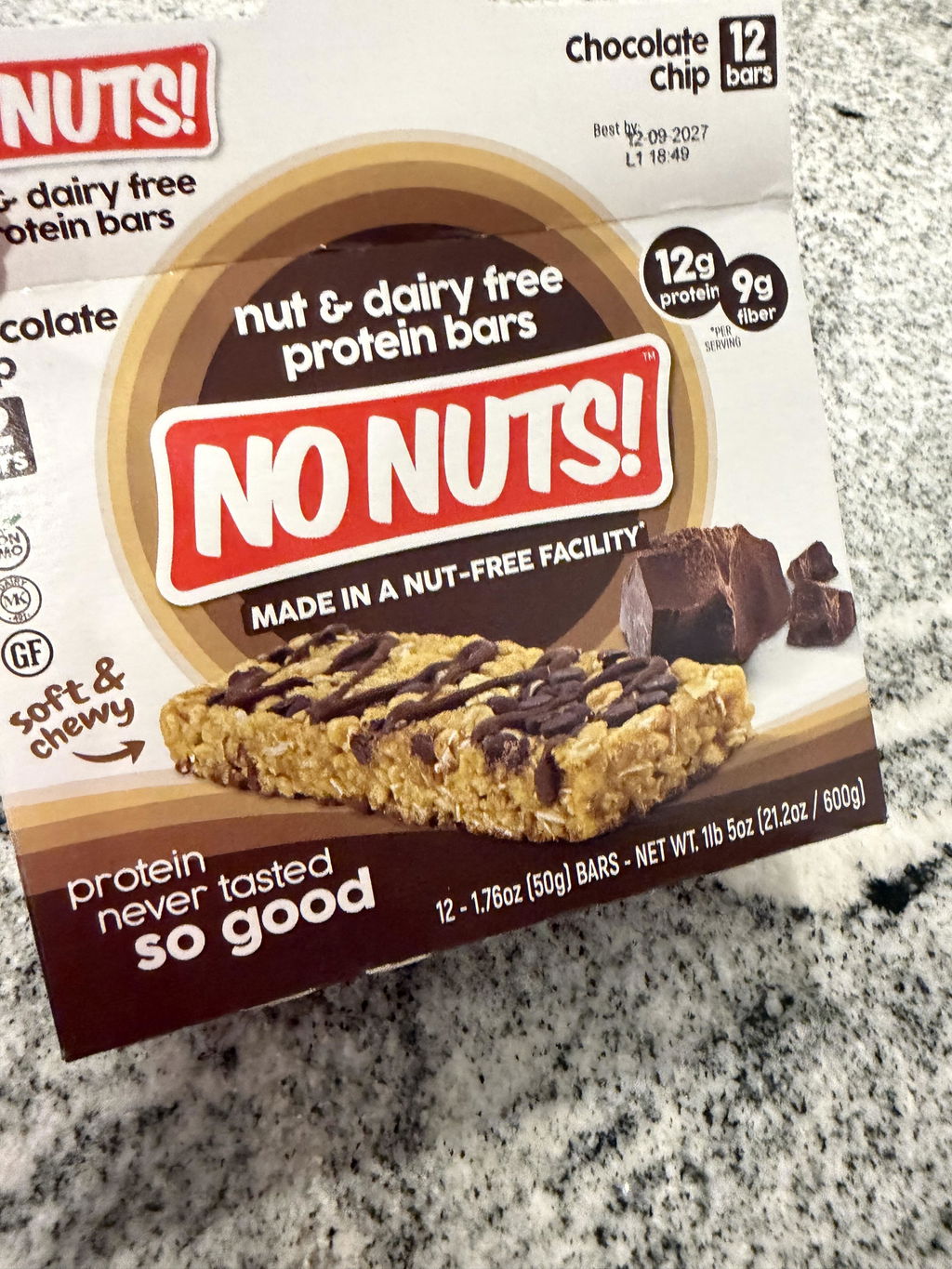
No Nuts! Chocolate Chip
Our Chocolate Chip bar is the flavor most people reach for first. It packs 12g of protein and 9g of fiber into a dairy-free, gluten-free, school-safe bar made in a 100% nut-free facility.
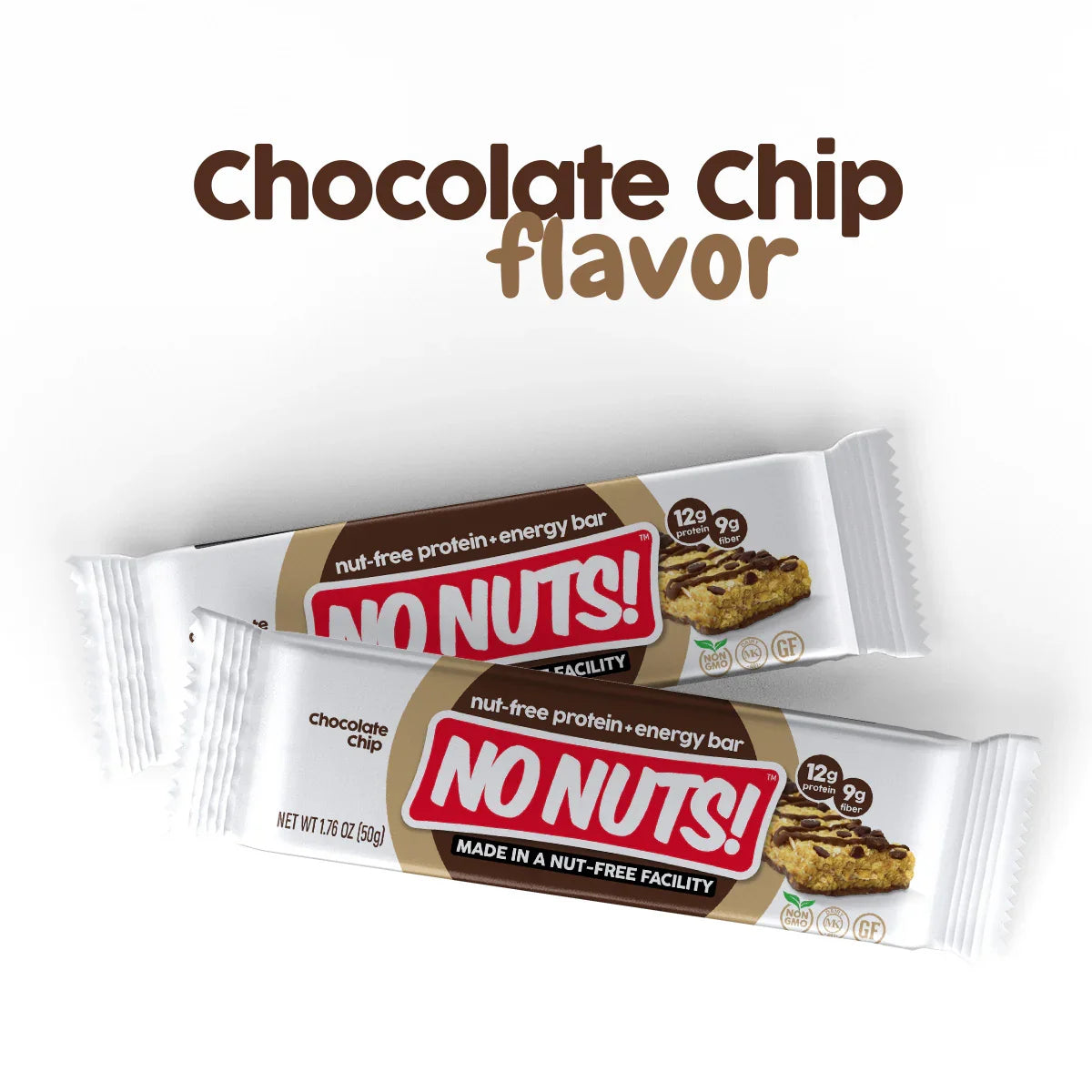
Priced at $32.99 per pack, it's a straightforward choice for anyone who wants a familiar flavor without the allergen risk.
No Nuts! Blueberry Vanilla
The Blueberry Vanilla bar delivers the same 12g of protein and 9g of fiber, with a lighter, fruit-forward flavor profile.
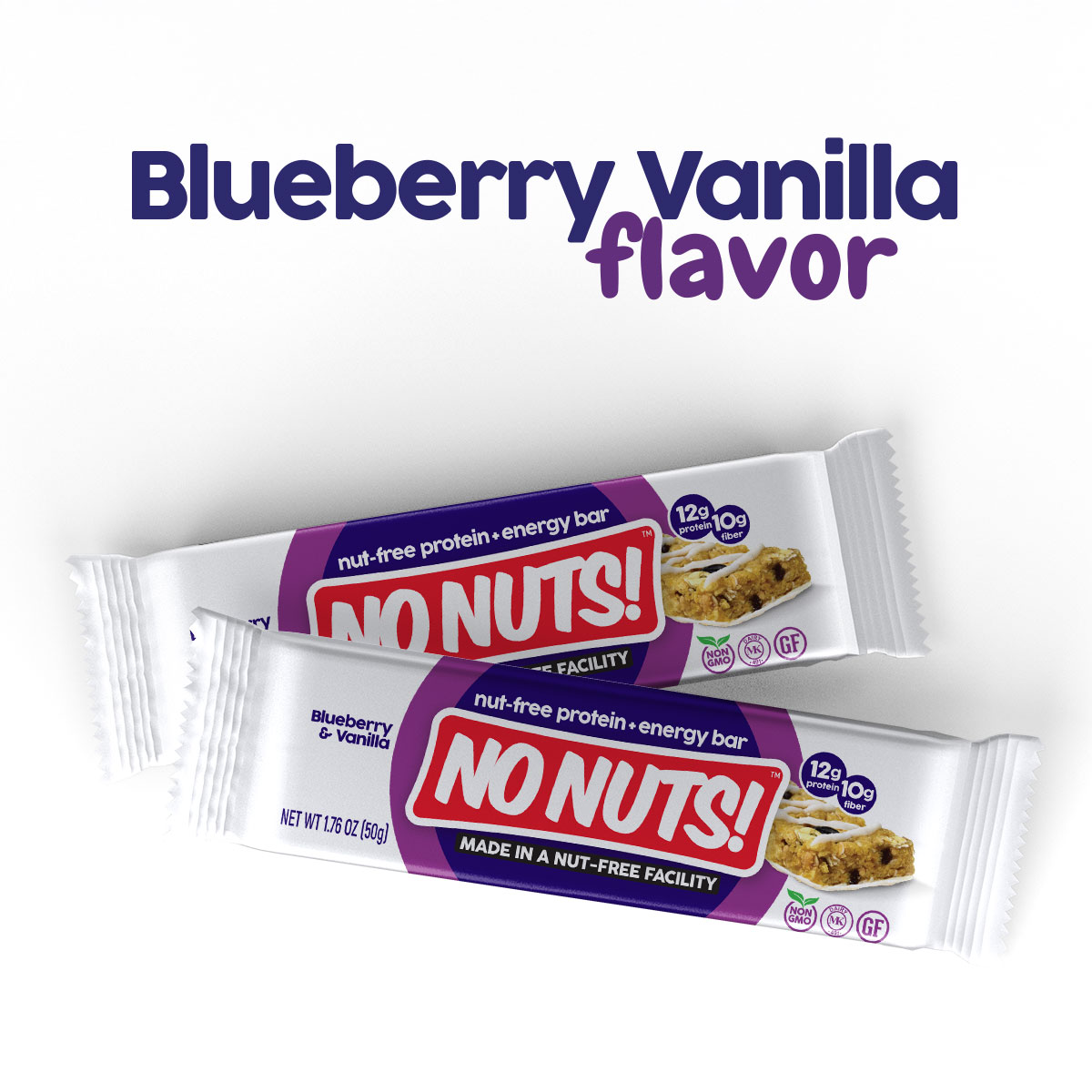
It's also $32.99 per pack and dairy-free, making it a solid option for lunchboxes or post-workout fuel.
No Nuts! Caramel Mocha
For adults who want a coffee-inspired snack, the Caramel Mocha bar offers 12g of protein and 9g of fiber in a nut-free, gluten-free format.
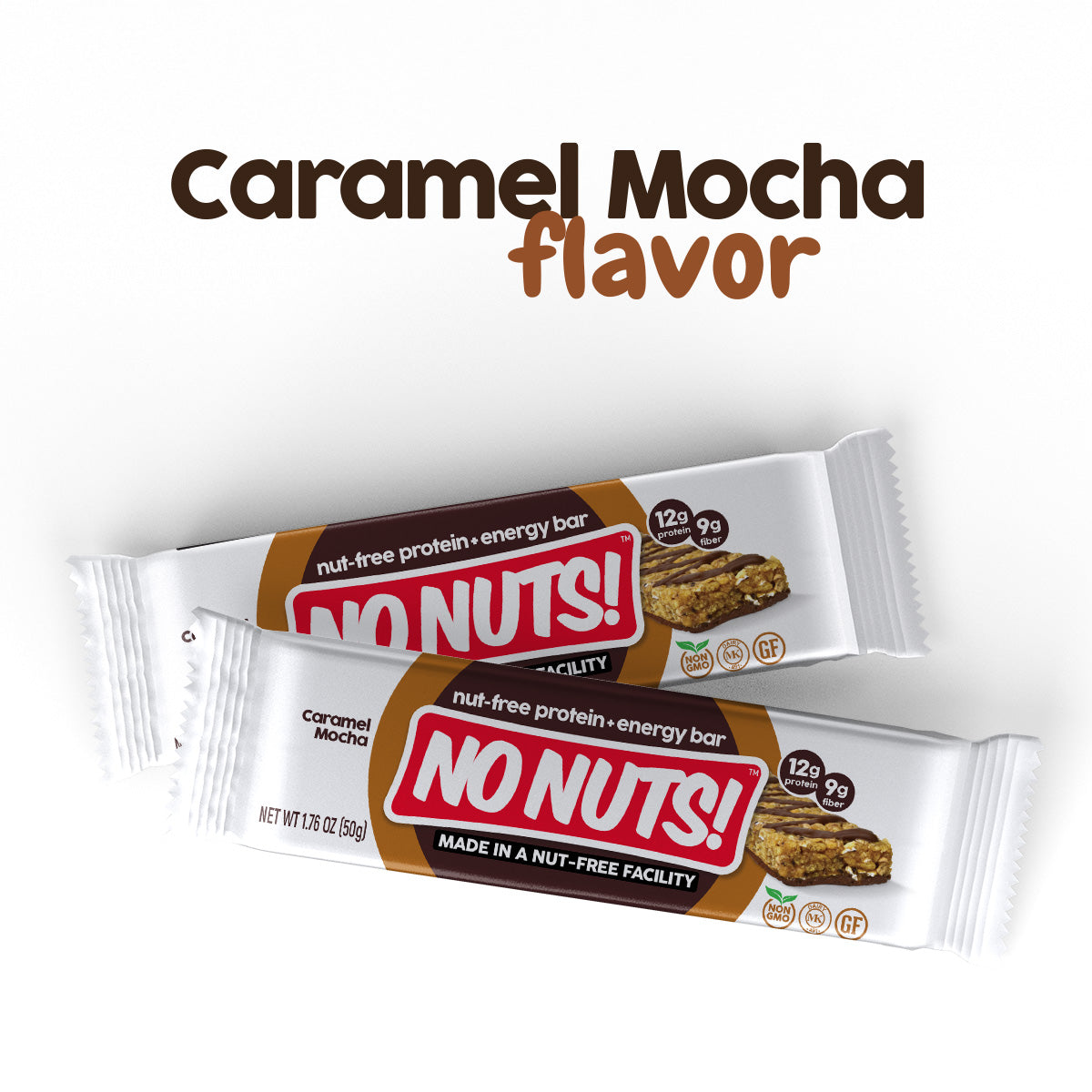
At $32.99, it's a good afternoon pick-me-up that skips the nuts and the dairy without skipping the flavor.
No Nuts! Cinnamon Roll
The Cinnamon Roll bar rounds out the flavor lineup with 12g of protein and 10g of fiber, the highest fiber count in the collection.
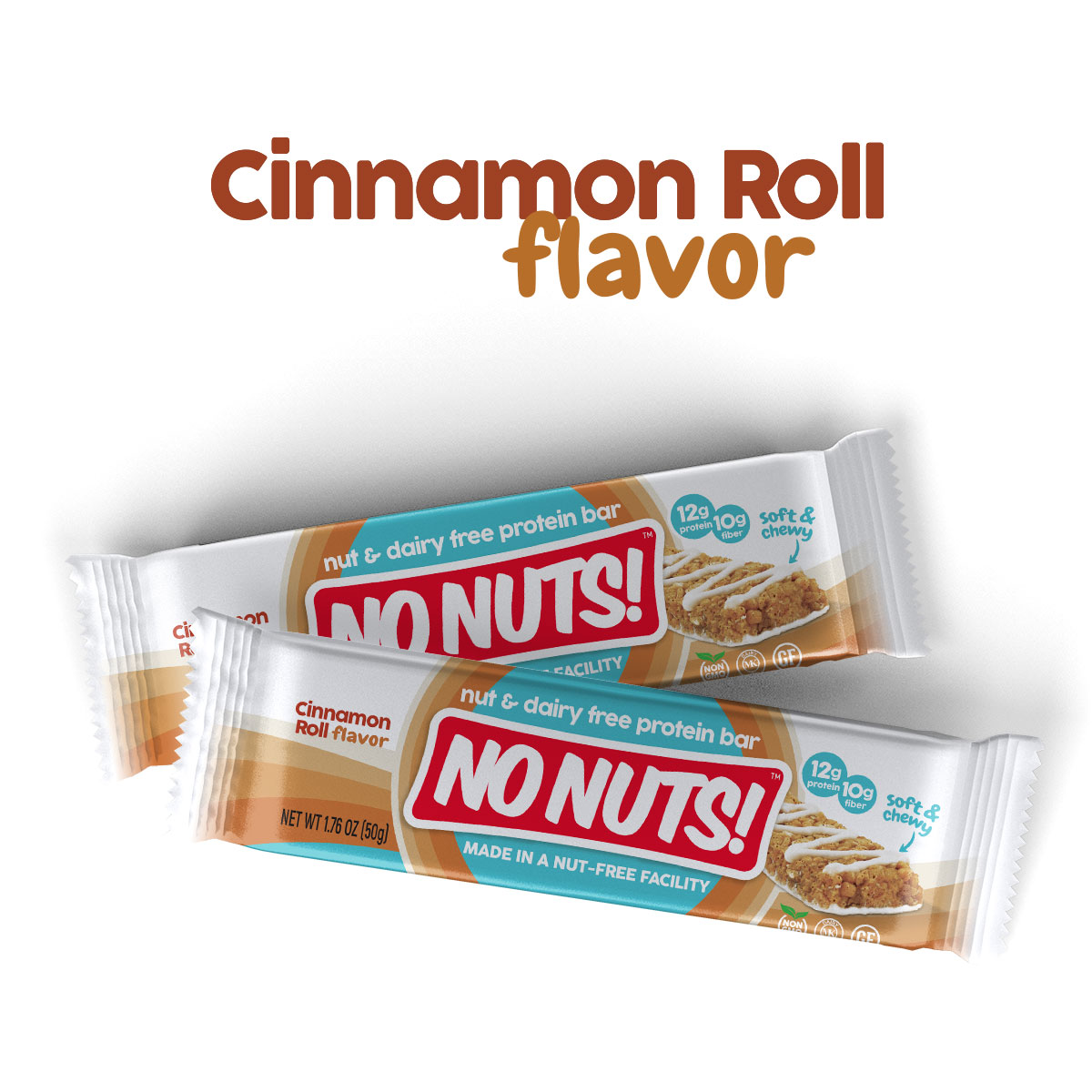
Priced at $32.99, it's a school-safe option that tastes closer to dessert than most protein bars.
Try the Full Variety Pack of Nut-Free, Dairy-Free Bars
If you can't decide on one flavor, the Nut-Free Variety Pack includes all four flavors in a single 12-pack.
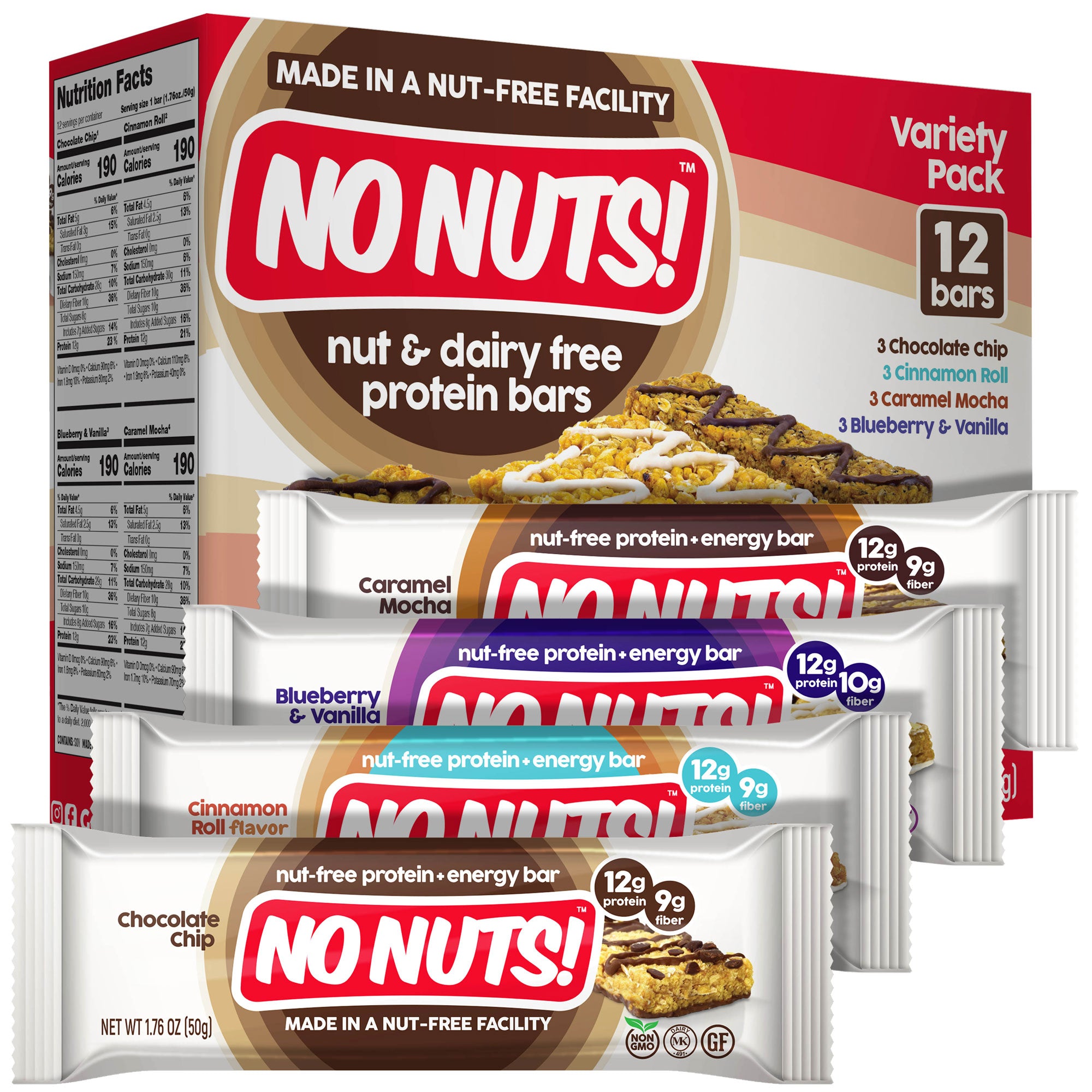
It's priced at $32.99 and gives you a chance to figure out which flavor your family likes best before committing to a single-flavor case.
For anyone stocking a classroom, office, or family pantry, our full lineup of nut-free protein bars covers every flavor we make.
Reading Labels: Where "Nut-Free" and "Dairy-Free" Actually Matter
Once you know your personal triggers, label reading becomes the daily habit that keeps you safe. Look for explicit claims like "nut-free," "dairy-free," and manufacturing statements about dedicated facilities, not just an absence of nuts in the ingredient list.
Shared equipment is one of the biggest hidden risks in packaged snacks and bars. A product can be nut-free on paper but still carry cross-contamination risk if it's made on a line that also processes tree nuts or peanuts.
That's why we publish our full ingredients and nutrition facts for every bar we make, so you can check exactly what's inside before you buy. We also cover common allergen questions on our FAQ page if you want more detail on how our facility operates.
Where to Find Nut-Free, Dairy-Free Snacks and Bars Near You
If you'd rather shop in person, our store locator shows where No Nuts! bars are currently sold, including major retailers and online marketplaces. We also offer free shipping on U.S. orders over $45, with same-day dispatch for orders placed before 11AM PST on weekdays, according to our shipping and returns page.
Whether you're shopping for a nut-free classroom snack or restocking your own pantry, having a reliable source matters as much as reading the label.
Conclusion: Can You Eat Seeds With a Nut Allergy? Sunflower Seeds Deserve Caution, Not Assumptions
So, can you eat seeds with a nut allergy? Sunflower seeds are botanically unrelated to tree nuts, so many people with nut allergies tolerate them fine, but a real and growing number of people are allergic to sunflower seeds specifically, and reactions can be severe.
The safest approach is confirming your own tolerance with an allergist rather than assuming any seed is automatically risk-free. In the meantime, choosing snacks and bars made in a dedicated nut-free facility removes one variable from an already complicated decision, letting you focus on flavor instead of fine print.
Frequently Asked Questions
Can you eat seeds with a nut allergy?
In most cases, yes, since seeds like sunflower seeds are botanically unrelated to tree nuts and peanuts. However, a separate sunflower seed allergy is possible and can occur whether or not you also have a nut allergy, so confirming tolerance with an allergist is the safest first step.
Are sunflower seeds a common allergen?
Sunflower seed allergy is still considered rare, with a cumulative incidence of just 0.38% in one pediatric allergy clinic study, but diagnoses have been rising by about 21% per year since 1995. It's worth taking seriously even though it's less common than peanut or tree nut allergies.
What percentage of people with sunflower seed allergy experience anaphylaxis?
Among adults with a confirmed sunflower seed allergy, 50% have experienced anaphylaxis, and 71% of those needed an emergency department visit. In children, 25% of allergic reactions to sunflower seeds met the criteria for anaphylaxis.
Is a sunflower seed allergy linked to pollen allergies?
Yes, there's a documented connection. About 71% of sunflower-allergic adults also show skin testing reactivity to Artemisia pollen, which includes ragweed and mugwort, a pattern known as pollen-food syndrome.
What snacks and bars are safe for both nut and seed allergies?
Look for snacks and bars made in a dedicated nut-free facility with clear "nut-free" and "dairy-free" labeling rather than just an ingredient list without nuts. Our No Nuts! bars, including Chocolate Chip, Blueberry Vanilla, Caramel Mocha, and Cinnamon Roll, are made without nuts, dairy, or gluten in a 100% nut-free facility.
Should I get tested before letting my child try sunflower seeds?
If your child already has a nut allergy or any history of food reactions, it's wise to check with an allergist before introducing sunflower seeds. Since about 50% of kids allergic to one tree nut are also allergic to another, and allergies often cluster, professional guidance reduces the risk of an unexpected reaction.
Is choosing nut-free, dairy-free bars worth it in 2026 if I don't have a confirmed seed allergy?
Yes, especially for schools, workplaces, and shared spaces where you can't control what other people bring. Nut-free, dairy-free snacks and bars simplify group settings by removing two major allergens at once, which is why demand for options like our nut-free protein bars has kept growing into 2026.