Best Micro-Travel 'Safe-Zone' Kits: What to Pack for a Short Trip
Nov 01, 2026
Micro-Travel 'Safe-Zone' Kits are compact sets of personal safety, communication, medical, and security essentials chosen for a short trip. The phrase can also refer to a planned highway area, so we’ll separate that formal meaning from the practical kit you carry.
Key Takeaways
- What belongs in a personal travel-safety kit? A small, accessible selection of communication, personal safety, minor-injury, and security essentials matched to your trip.
- What is a highway Travel Safe Zone? It is a formally planned and assessed roadside area, not an individual traveler’s collection of gear.
- What should a compact first-aid kit cover? Common minor injuries, likely activity-related needs, and supplies relevant to the travelers’ personal medical needs.
- How do you keep valuables safer on the move? Choose secure, comfortable storage, keep important items in sight, and split payment methods between separate locations.
- How should you pack for different trips? Start with essentials, then add supplies for the itinerary, destination, and people traveling.
- What should you do before leaving? Check supplies and expiry dates, test devices, charge electronics, and make sure time-sensitive items are easy to reach.
What a personal travel-safety kit covers
For personal travel, a micro-travel safety kit is a small group of useful items, not one device and not a few bandages standing in for a complete plan. Think in three practical categories: medical supplies for minor needs, communication tools, and gear that helps you keep belongings secure.
A highway Travel Safe Zone (TSZ) means something different. It is a planned and assessed roadside area, with work that can include highway safety analysis, agency coordination, response planning, signs, monitoring, and later review.
When proposing a highway TSZ, planners typically assess roadside risks and possible locations, then coordinate relevant agencies around responsibilities and response plans. A law enforcement plan and public information plan can help clarify how the area will be managed and communicated; signs and monitoring help people identify the zone and support review of how it performs.
For your own trip, keep the kit focused on likely needs for the people traveling and the places you’ll go. Trying to pack for every possible emergency makes a small kit awkward to carry, while packing too little can leave you without supplies for predictable activities.
Choose compact essentials for personal safety and minor injuries
Choose a personal safety alarm, small flashlight, charged phone, and portable charger that you can carry comfortably and reach quickly. These tools help you make noise, see in low light, contact someone, or keep a phone powered, but only if they are easy to operate when you need them.
A useful portable first-aid kit for a short trip covers common scrapes, small cuts, and blisters. Include adhesive bandages in several sizes, gauze, medical tape, antiseptic wipes, and blister care suited to the activities you have planned.
- Pack personal medicines and any prescribed emergency medication the traveler needs.
- Keep relevant allergy or medical information with the person it concerns.
- Separate doses needed during transit from supplies stored deeper in your luggage.
- Scale supplies to the trip: a token bandage pack is too thin, while a bulky kit can be more than the itinerary calls for.
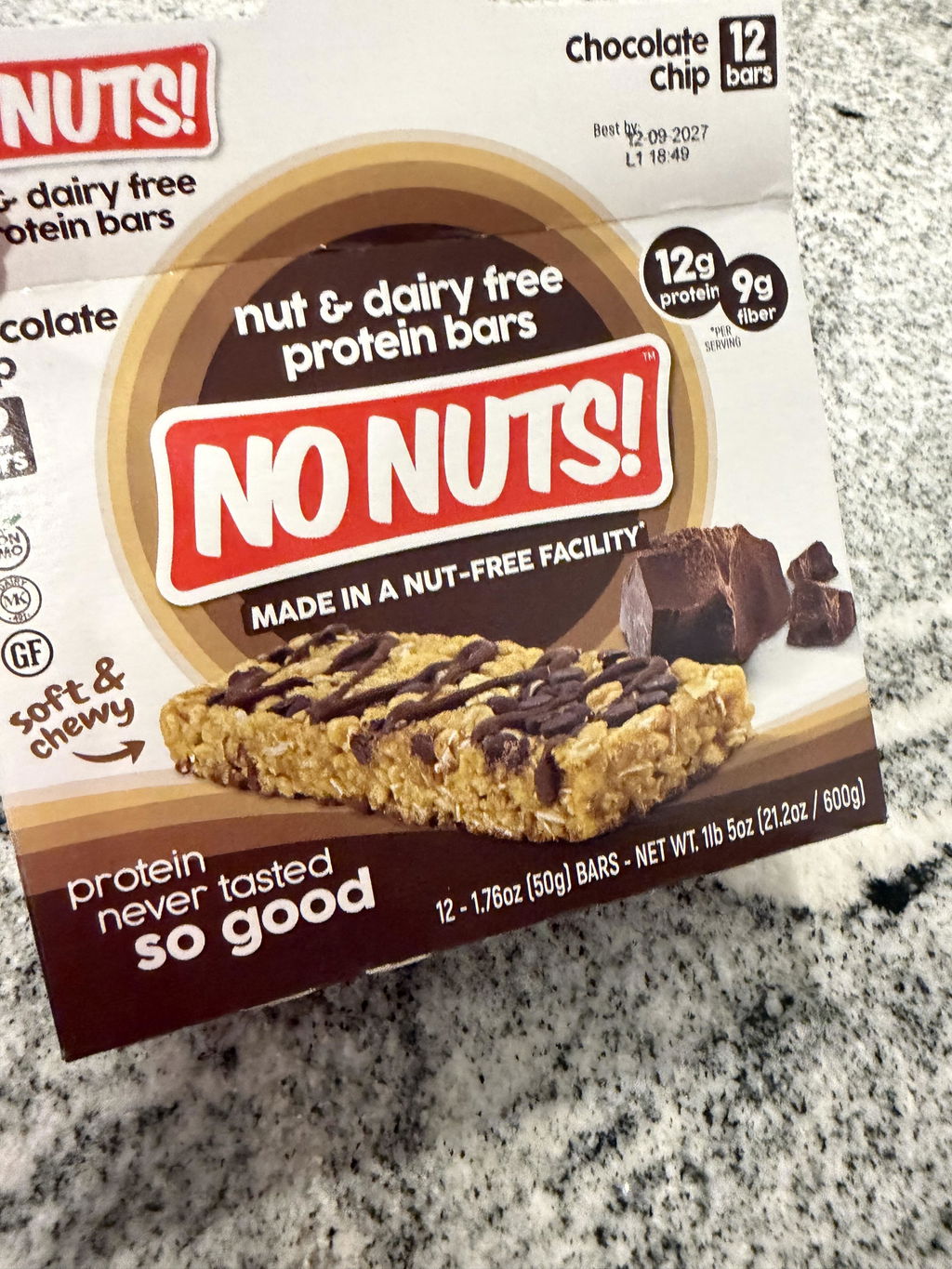
For a traveler managing a food allergy, planned snacks can be one helpful part of the travel routine, alongside medical supplies and an individual allergy plan. Our No Nuts! Variety Pack includes individually wrapped, shelf-stable bars in four flavors, and the Blueberry & Vanilla Snack Bars come in a 12-bar pack.


The Variety Pack bars are made in a dedicated nut-free facility. The Blueberry & Vanilla bars are nut-free, dairy-free, egg-free, vegan, non-GMO, kosher, and gluten-free; familiar snacks can add comfort on the way, but they do not replace medication or an allergy plan.

Protect valuables while moving between places
The best anti-theft crossbody bag for travel is one that sits close to your body, has secure closures, and feels comfortable enough to carry all day. For crowded streets and public transit, that close fit makes it easier to keep a hand near your belongings and notice when the bag shifts.
A cable lock can temporarily secure a bag to a fixed point, such as while you are seated, but it is not a reason to leave valuables unattended or out of sight. Choose a lock you can use without turning it into an awkward burden.
A portable safe can help contain valuables in a hotel room or at a campsite when you can anchor it securely. A money belt serves a different purpose: it keeps a small amount of cash or a backup card discreetly on your person.
Split up payment and identification essentials. Keep a payment card, identification, and emergency cash in separate places, so losing one wallet does not take away every way to pay or identify yourself.
Build a kit around the kind of short trip
A city break usually calls for a phone and charger, blister care for long walks, secure storage for daily essentials, and a personal alarm if it suits the traveler and destination. For outdoor activities, add wound care and blister supplies suited to the activity, a flashlight, and any personal medication needed away from services.
For family travel, tailor medicines and first-aid supplies to the people going, rather than packing a generic kit that misses someone’s needs. Make it easy to share emergency contacts and a meeting point if the group gets separated.
If food allergies are part of your family’s travel planning, familiar snacks can make a gap between meals easier to manage. Our No Nuts! Variety Pack is a 12-pack with Chocolate Chip, Cinnamon Roll, Blueberry & Vanilla, and Caramel Mocha bars; the Chewy Chocolate Chip Granola Snack Bars come in a 24-pack.


The Variety Pack bars are individually wrapped and made in a dedicated nut-free facility; they are dairy-free, egg-free, gluten-free, vegan, non-GMO, and kosher. The chewy granola bars are individually wrapped, made without the 9 major U.S. allergens, and gluten-free, dairy-free, egg-free, plant-based, and non-GMO.
When space is tight, pack essentials first and add situation-specific items only when the destination, group, or itinerary makes them useful. If you bring snacks on a plane, choose options that fit your food needs and keep them easy to reach during the journey.
Check fit, access, and travel rules before packing
Test that alarms, lights, and other emergency devices are easy to reach and operate. An alarm buried under clothes or a flashlight tucked into a packed suitcase cannot help quickly when you need it.
Before packing, check the rules that apply to your airline, destination, and local area for alarms, batteries, medicines, and security devices. Restrictions vary by item and location, so include those checks in your travel preparation rather than discovering a problem at a checkpoint.
Keep medicines in packaging that supports clear identification, and separate the doses needed during transit so they stay accessible. Choose a portable safe, lock, or bag based on where you will use it and how it can be secured; extra gear that is awkward to handle often ends up unused.
Use a quick readiness routine before each departure
Review the kit before every trip. Replace anything used or damaged, and check medicine and first-aid expiry dates so the supplies you packed are ready for the journey.
Test alarms, lights, and chargers before leaving, and start with charged devices and the charging cables you need. Then reconsider the kit when the travelers or itinerary change: add supplies for likely activities and remove items that no longer serve a purpose.
Keep time-sensitive supplies within reach during transit, and store the rest together so you can find the kit without searching through every bag. For a fuller first-aid kit, adapt it by removing supplies that do not suit the trip and keeping the items that match likely minor injuries and personal needs.
Frequently Asked Questions
Are RFID-blocking wallets necessary for most short trips?
For most travelers, secure storage and awareness of where a wallet is matter more than adding an RFID-blocking layer. If you prefer one, choose a wallet that still lets you access cards and identification without fuss.
How can I share my itinerary and emergency contacts without posting them publicly?
Send the details directly to a trusted person using a private message or email, and include your accommodation contact information and expected check-in times. Share only what that person needs to help, and update them if your plans change.
What should I do if a personal safety alarm or charger stops working while I’m away?
Use another available way to contact help, such as your phone, hotel staff, or venue security, rather than depending on the failed device. For a charger problem, ask your accommodation or transport provider about a safe charging point and replace the charger when practical.
Where should I keep a backup payment card and emergency cash?
Keep them apart from your main wallet and from each other, such as one tucked securely in a different bag pocket and the other in a money belt. Choose locations you can access without displaying them in a crowded place.
Can a luggage tracker replace a personal safety device?
No. A luggage tracker helps locate a bag, while a personal alarm or phone is meant to help you signal or communicate; they serve different purposes in a micro-travel safety kit.
Should I keep emergency contacts on paper as well as on my phone?
A small written contact card can be useful if your phone battery runs out or you cannot unlock your device. Include the contact details a helper would need, along with essential medical information for the traveler.
Build a kit that fits the trip
The best Micro-Travel 'Safe-Zone' Kits are compact, easy to reach, and shaped around the travelers and their plans. Start with personal safety, communication, minor-injury supplies, and secure storage, then add trip-specific items that bring real value.
A highway Travel Safe Zone is a separate, planned roadside safety measure. For personal travel, a focused kit, a quick readiness check, and thoughtful planning can make the trip easier without weighing down the journey.
A note on allergies: This article is general information, not medical advice. Ingredients and facility practices can change, so always read the full label and allergen statement before eating any food, and talk with your doctor or allergist about your own needs.
No Nuts! protein bars (Chocolate Chip, Blueberry & Vanilla, Caramel Mocha and Cinnamon Roll) are made in a nut-free facility, and every ingredient is listed on our ingredients page. Our Chewy Chocolate Chip Granola Bars are made without the 9 major U.S. allergens (including soy); the facility also processes coconut.