

Are Pumpkin Seeds Safe for Nut Allergies? What You Need to Know Before You Snack
Nov 08, 2026
Are pumpkin seeds safe for nut allergies? For most people with tree nut or peanut allergies, the answer is yes, since pumpkin seeds are botanically unrelated to nuts. That said, about 40 percent of children with food allergies are allergic to more than one food, according to FARE, which is why cross-reactivity concerns keep coming up in conversations about seed-based, nut-free, dairy-free snacks.
We built this guide to walk you through the science, the rare exceptions, and where to find nut-free snack bars that use pumpkin seeds as a smart protein swap instead of almonds, cashews, or peanuts.
Key Takeaways
| Question | Quick Answer |
|---|---|
| Are pumpkin seeds safe for nut allergies? | Yes, for the vast majority of people, since pumpkin seeds are a fruit seed, not a tree nut or peanut. |
| Can someone with a nut allergy also react to pumpkin seeds? | Rarely, yes. Isolated case reports document pumpkin seed anaphylaxis, so caution is still wise for high-risk individuals. |
| Are pumpkin seeds a good peanut allergy substitute? | Yes, they provide similar protein and texture without the allergen risk in most cases. |
| What percentage of the population has a tree nut allergy? | Between 0.5% and 1% of the U.S. population, according to the American Academy of Allergy, Asthma & Immunology. |
| Where can I find nut-free, dairy-free snack bars made with seeds? | Brands like No Nuts! nut-free snack bars use pumpkin and sunflower seeds instead of nuts. |
| Do peanut-allergic people need to avoid pumpkin seeds too? | Not always. About 25 to 40 percent of people with a peanut allergy also react to at least one tree nut, and seeds are a different category entirely. |
| Are school-safe snack bars usually seed-based? | Many are, since seeds allow brands to make nut-free bars without sacrificing protein or fiber content. |
Are Pumpkin Seeds Safe for Nut Allergies? Here's What the Science Says
Pumpkin seeds come from a squash plant, which puts them in a completely different botanical family than tree nuts (almonds, cashews, walnuts) or peanuts (a legume).
Because allergic reactions are driven by specific proteins, and pumpkin seed proteins are structurally distinct from nut proteins, most allergists confirm that pumpkin seeds are safe for the overwhelming majority of people with nut allergies.
This is exactly why so many nut-free snack brands turn to pumpkin seeds and sunflower seeds as their primary protein source instead of almonds or peanuts.
Still, "most people" is not "everyone," and we want to be upfront about that nuance before you stock your pantry.
Understanding Cross-Reactivity Between Nuts and Tree Nuts
One reason people worry about pumpkin seeds is confusion around cross-reactivity, which is when an allergy to one food increases the risk of reacting to a related food.
Cross-reactivity is well documented within some nut groups. For example, cashew and pistachio allergies often go together, as do walnut and pecan allergies.
Seeds, however, do not share this close biological relationship with nuts. That is one reason pumpkin seeds are a popular swap when someone needs to avoid nuts, though you should still check with your allergist.
Can You Still Have a Pumpkin Seed Allergy If You're Allergic to Nuts?
Yes, in rare cases. Isolated case reports exist where individuals developed pumpkin seed anaphylaxis, including one documented in the European Annals of Allergy and Clinical Immunology where a patient showed a 10 mm wheal response during prick-to-prick testing.
In another case published in PubMed, a child experiencing anaphylaxis to pumpkin seeds had specific IgE levels of 1.34 kUA/L, compared to just 0.37 kUA/L for pumpkin pulp.
These numbers confirm that the allergic reaction was specifically tied to the seed protein, not the fruit flesh itself.
So while the question "are pumpkin seeds safe for nut allergies" has a reassuring answer for most people, anyone with a history of severe or multiple food allergies should still introduce new seeds carefully and talk to an allergist first.
Why Seed-Based Snacks Bars Are Becoming the Go-To Nut-Free Option
Parents packing school lunches, office workers stocking their desks, and anyone managing a nut allergy at home have all pushed demand for reliable nut-free snacks higher in 2026.
Seeds like pumpkin and sunflower solve a real problem: they deliver protein and fiber comparable to nuts, without the shared allergen risk.
That is exactly the approach behind No Nuts! nut-free snack bars, which are made in a dedicated nut-free facility and built around seed-based protein instead of almonds or peanuts.
No Nuts! Nut-Free, Dairy-Free Snack Bars Made With Seeds
Every bar in the No Nuts! protein bar lineup is dairy-free, gluten-free, non-GMO, kosher, and made in a dedicated nut-free facility.
Each bar delivers 12 grams of protein along with 9 to 10 grams of fiber, without any nut butters.
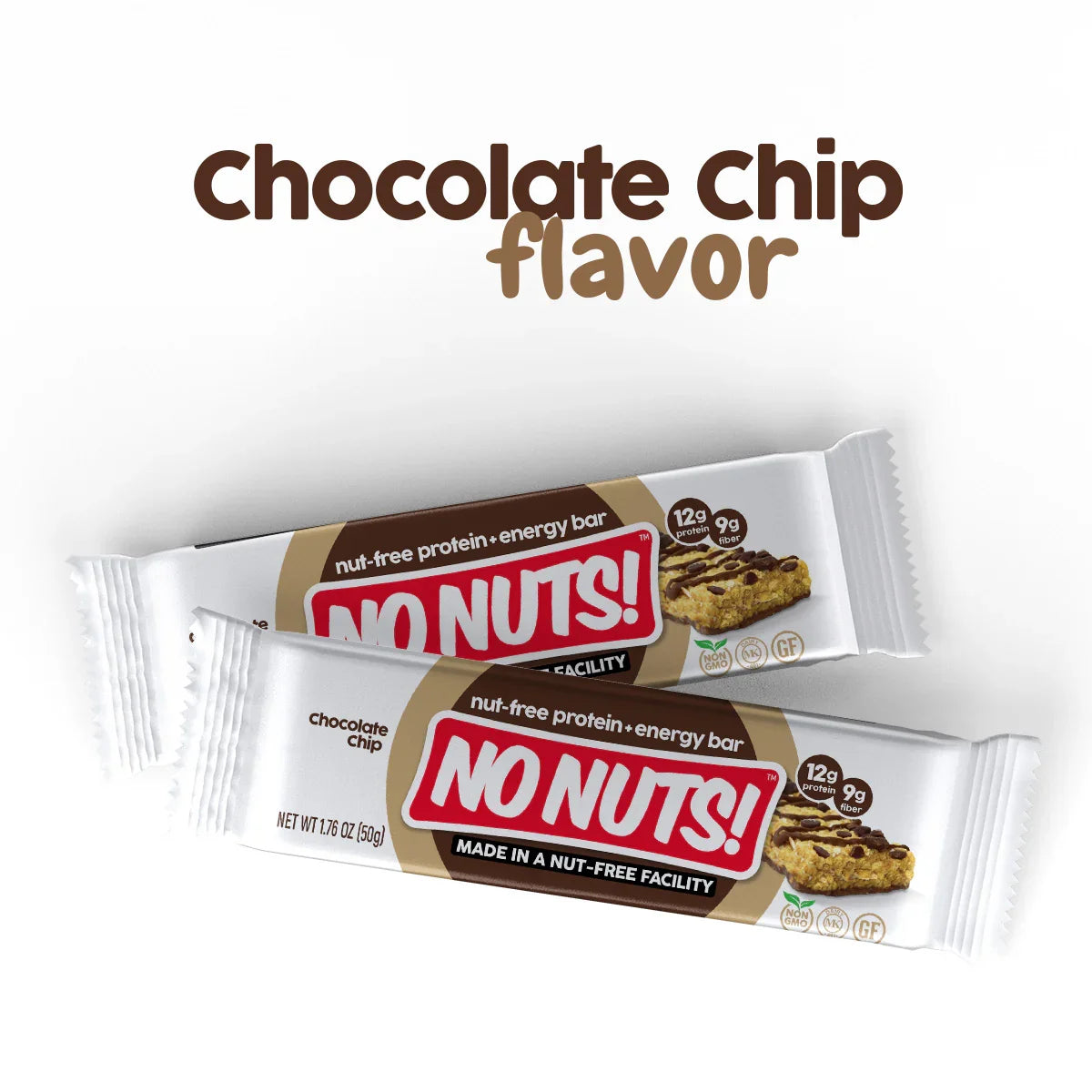
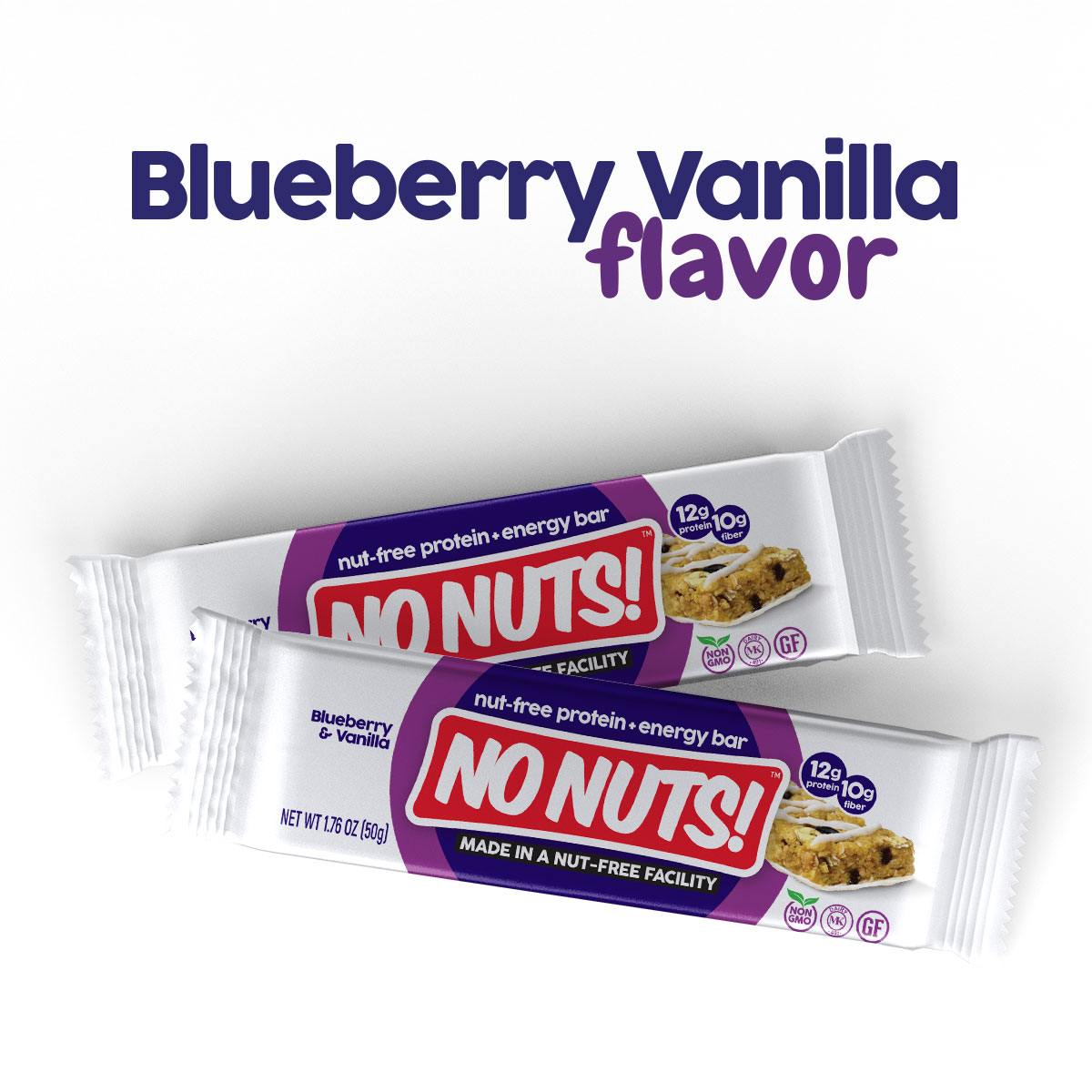
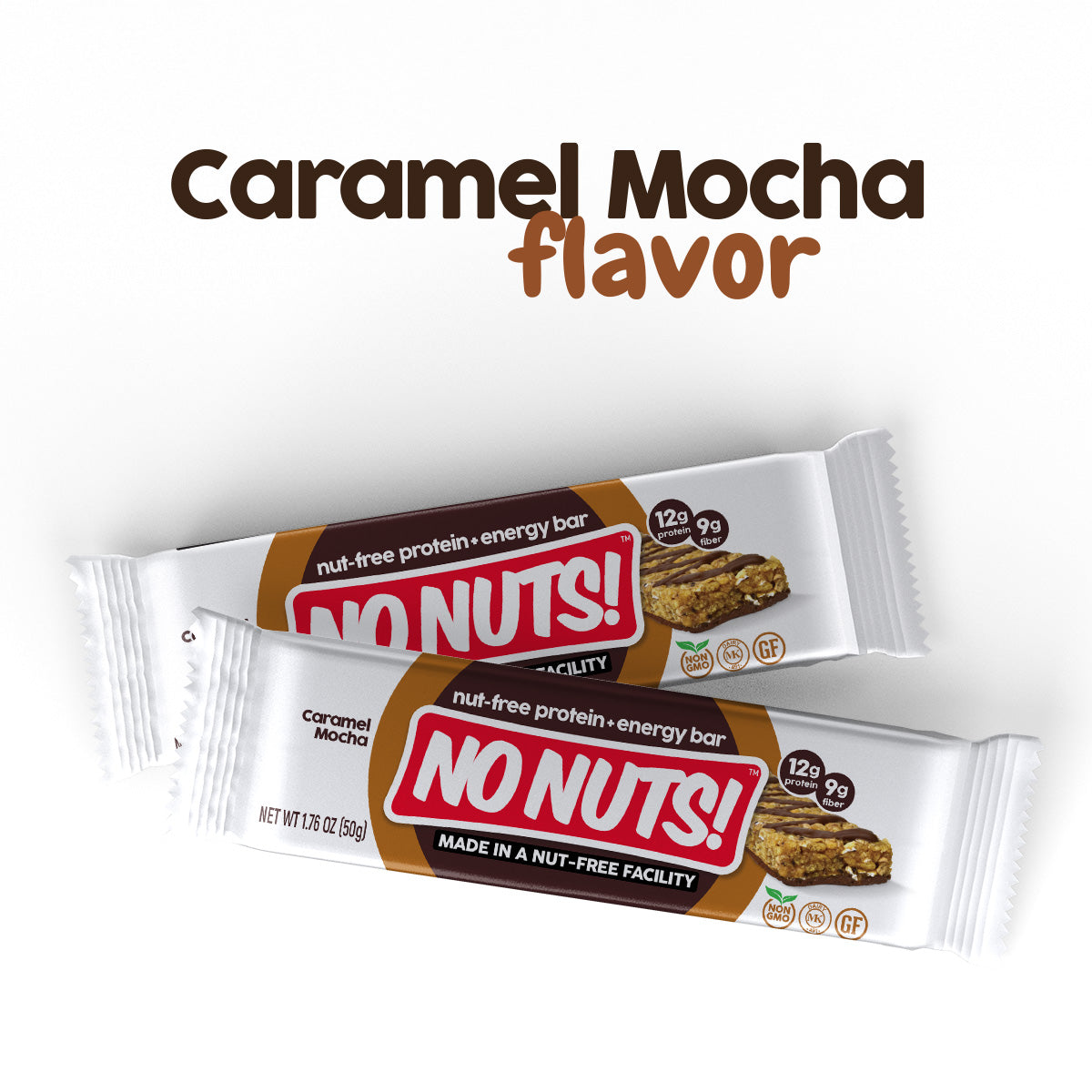
Here is a quick look at the current lineup:
| Flavor | Protein |
|---|---|
| Chocolate Chip | 12g protein / 9g fiber |
| Blueberry Vanilla | 12g protein / 10g fiber |
| Caramel Mocha | 12g protein / 9g fiber |
| Cinnamon Roll | 12g protein / 10g fiber |
If you want to try all four flavors before committing to one, the No Nuts! Variety Pack bundles Chocolate Chip, Cinnamon Roll, Blueberry Vanilla, and Caramel Mocha, three of each.

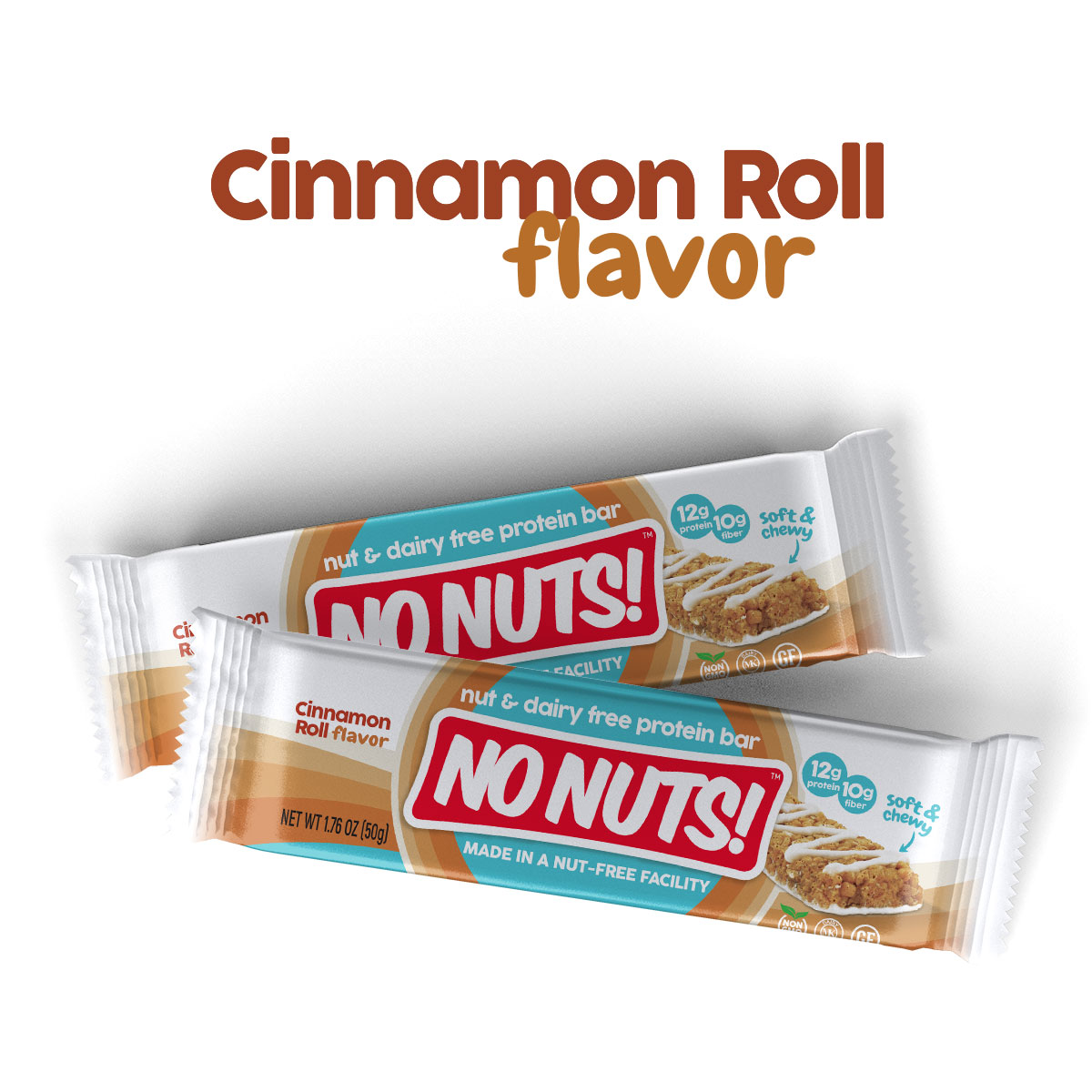
What to Check on the Label When Buying Nut-Free, Dairy-Free Snacks
Even when pumpkin seeds are safe for nut allergies in theory, cross-contamination during manufacturing is a separate risk worth checking for.
Here is what we recommend looking for on any package of snacks or bars before buying:
- "Made in a nut-free facility" language, not just "may contain traces"
- Clear allergen statements and facility information
- Clear ingredient panels listing seeds by name (pumpkin, sunflower, etc.)
- Dairy-free labeling if you're managing multiple allergies at once
- A nut-free facility statement if the snack is headed into a lunchbox
You can review the full breakdown of ingredients, including seed sourcing and allergen statements, on the No Nuts! ingredients page.
Are Pumpkin Seeds Safe for Nut Allergies in School Settings?
Schools have become one of the strictest environments for allergen management, and for good reason. With food allergies affecting a growing share of students, many classrooms now enforce nut-free zones entirely.
This is where seed-based snacks earn their reputation. Because pumpkin seeds carry a much lower cross-reactivity risk than tree nuts, they show up frequently in school-approved snack lists and lunchbox guides.
We put together more detail on this in our guide to choosing healthy nut-free snacks, which covers what teachers and cafeteria staff typically look for.
How Common Are Nut Allergies, Really?
Tree nut allergies affect an estimated 0.5% to 1% of the U.S. population, according to the American Academy of Allergy, Asthma & Immunology, and this group is exactly why seed-based alternatives matter so much.
Unlike some childhood food allergies, tree nut allergies usually persist for life, though roughly 10% of individuals may eventually outgrow them.
How to Safely Introduce Pumpkin Seeds If You Have a Nut Allergy
If you or your child has a diagnosed nut allergy and you're wondering whether it's safe to try pumpkin seeds for the first time, don't skip the allergist visit.
Here's a simple process we recommend following:
- Talk to your allergist before introducing any new seed, even one considered low-risk
- Ask about a supervised food challenge if you have a history of multiple allergies
- Start with a small amount of a single-ingredient product, not a mixed snack bar
- Watch for symptoms over the following hours, not just minutes
- Once cleared, seed-based bars and trail mixes become a much easier daily option
This process matters more for people who already manage multiple food allergies, since cross-reactivity risk compounds quickly across allergen categories.
Nut-Free Snack Bars vs. Traditional Nut-Based Bars
If you're deciding between a seed-based bar and a traditional almond or peanut-based bar, the comparison usually comes down to allergen risk versus taste preference.
| Feature | Seed-Based (No Nuts!) | Traditional Nut-Based Bars |
|---|---|---|
| Nut-free facility | Yes | Rarely |
| Dairy-free | Yes | Varies |
| School-safe | Yes | No |
| Protein per bar | 12g | Varies (often 8-15g) |
For families managing nut allergies, this trade-off usually isn't close. The convenience of grabbing a nut-free bar without reading three paragraphs of allergen warnings is worth a lot.
Pumpkin seeds solve a real problem for the nut-allergic community: they offer comparable protein and crunch without the shared allergen risk that comes with tree nuts.
Conclusion: Are Pumpkin Seeds Safe for Nut Allergies?
So, are pumpkin seeds safe for nut allergies? For the vast majority of people managing a tree nut or peanut allergy, yes, pumpkin seeds are a safe and reliable substitute.
The rare exceptions documented in clinical literature remind us that any new food, even one considered low-risk, deserves caution and an allergist conversation first.
For everyday snacking, nut-free options like No Nuts! nut-free snack bars give families, schools, and offices a dairy-free, gluten-free way to enjoy protein-packed snacks without worrying about tree nuts or peanuts on the label.
Frequently Asked Questions
Are pumpkin seeds safe for nut allergies in 2026?
Yes, pumpkin seeds are fine for most people with tree nut or peanut allergies, since they come from an entirely different plant family. Always check with an allergist first if you have multiple food allergies or a history of severe reactions.
Can pumpkin seeds trigger a reaction in someone with a peanut allergy?
It's uncommon, but not impossible. Isolated case reports of pumpkin seed anaphylaxis exist, so anyone with a severe peanut allergy should introduce new seeds cautiously and under medical guidance.
Are pumpkin seeds considered tree nuts?
No, pumpkin seeds are not tree nuts. They come from squash, a fruit-bearing plant, which places them in a completely different botanical and allergen category than almonds, cashews, or walnuts.
What snacks are safe for both nut and dairy allergies?
Look for snack bars labeled both nut-free and dairy-free, like the No Nuts! lineup, which is made in a dedicated nut-free facility and skips nut butters and dairy entirely.
Is it worth switching to seed-based snack bars if I have a nut allergy?
Yes, it's worth it in 2026, with more nut-free options available than ever. Nut-free bars made in dedicated facilities can deliver solid protein and fiber with much lower cross-contact risk than bars from nut-processing facilities.
Do all pumpkin seed products avoid cross-contamination with nuts?
Not automatically. Always check that the specific product was made in a dedicated nut-free facility, since some pumpkin seed snacks are processed alongside tree nuts in shared facilities.
Why do so many nut-free snack bars use pumpkin seeds?
Pumpkin seeds provide protein, fiber, and a satisfying texture similar to nuts, without carrying the same allergen risk. That combination makes them the go-to ingredient for brands building nut-free, dairy-free snack bars for schools and families.
A note on allergies: This article is general information, not medical advice. Ingredients and facility practices can change, so always read the full label and allergen statement before eating any food, and talk with your doctor or allergist about your own needs.
No Nuts! protein bars (Chocolate Chip, Blueberry & Vanilla, Caramel Mocha and Cinnamon Roll) are made in a nut-free facility, and every ingredient is listed on our ingredients page. Our Chewy Chocolate Chip Granola Bars are made without the 9 major U.S. allergens (including soy); the facility also processes coconut.

