

Are M&M's Peanut Free? The Truth About Ingredients, Labels, and Safer Snack Choices (2026)
Mar 27, 2026
In February 2026, 6,329 units of repackaged M&M candies were recalled across 20 U.S. states due to undeclared allergens, including peanuts, which shows how confusing “peanut-free” claims can be for everyday snacks.
Key Takeaways
| Question | Answer |
|---|---|
| Are regular M&M’s peanut free? | No, most varieties are made in facilities that process peanuts, so they are not considered fully Nut-Free. |
| Are any M&M’s safe for peanut allergies? | Some varieties do not contain peanuts as ingredients, but cross-contact risk remains. |
| What does “may contain peanuts” mean? | It indicates shared equipment or facilities, which increases risk for allergy-sensitive individuals. |
| What are safer alternatives? | Dedicated Nut-Free Snacks made in peanut-free facilities. |
| Are there school-safe options? | Yes, options like school-safe snack bars are designed for worry-free sharing. |
| Where can I find trusted nut-free products? | Explore nut-free snack bars made in controlled environments. |
What Does “Peanut Free” Really Mean in 2026?
“Peanut free” does not just mean no peanuts in the ingredient list. It also means no cross-contact during manufacturing.
In 2026, more families are looking beyond labels and focusing on facility safety. That shift reflects growing awareness of hidden risks in everyday snacks.
When a product shares equipment with peanuts, it cannot be considered truly Nut-Free. Even trace exposure matters for people with allergies.
This is why brands that use dedicated facilities are gaining trust. They remove uncertainty from snack time.

Are M&M’s Peanut Free or Just Peanut-Free Ingredients?
Most plain M&M’s do not contain peanuts as an ingredient. However, they are typically produced in facilities that handle peanuts.
This means they often carry “may contain peanuts” warnings. For many families, that warning alone is enough to avoid them.
Peanut M&M’s clearly contain peanuts, but even non-peanut varieties can pose a risk. Cross-contact is the key concern.
We always recommend reading labels carefully and avoiding assumptions. Ingredient lists do not tell the full story.
Understanding “May Contain Peanuts” Labels
“May contain peanuts” means there is a risk of cross-contact during production. It is not a guarantee, but it is not safe either.
For people with severe allergies, even tiny traces can trigger reactions. That is why this label is taken seriously.
Manufacturers use shared equipment to produce multiple products. Without strict separation, allergens can transfer.
Choosing snacks made in dedicated facilities removes that uncertainty. It turns snack time into a safer experience.

This infographic highlights four essential clues to confirm whether M&M’s are peanut-free, helping readers verify labeling and allergen information.
Why Cross-Contact Is a Serious Risk
Cross-contact happens when allergens transfer from one product to another. It can occur through shared equipment or surfaces.
Even if a product does not list peanuts, cross-contact can still introduce risk. That is why facility practices matter.
For families managing allergies, avoiding cross-contact is essential. It is not just about ingredients, it is about process.
Choosing certified Nut-Free snacks reduces exposure and builds confidence.

Safer Alternatives to M&M’s for Peanut Allergies
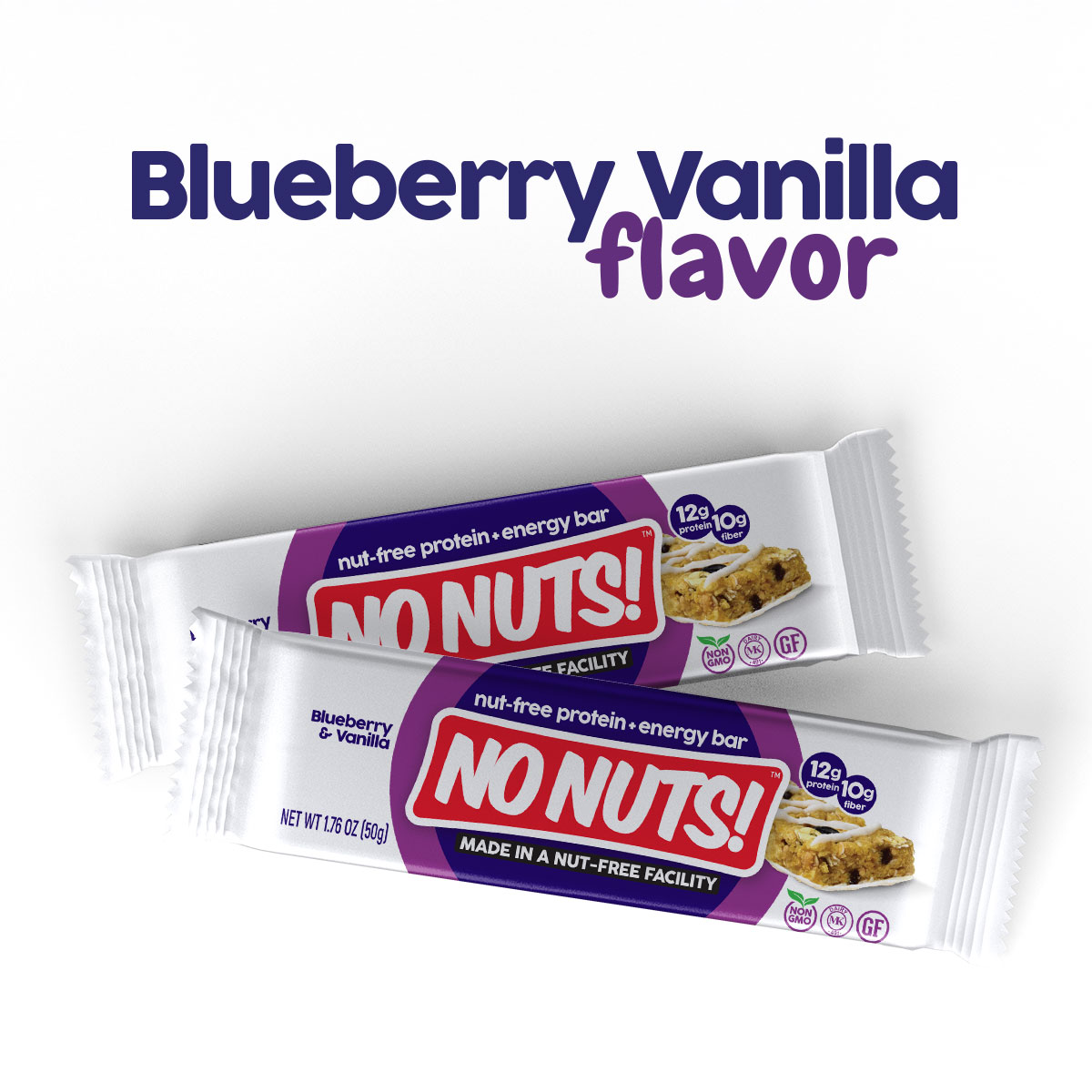
If M&M’s feel uncertain, there are better options. Dedicated Nut-Free snacks provide peace of mind.
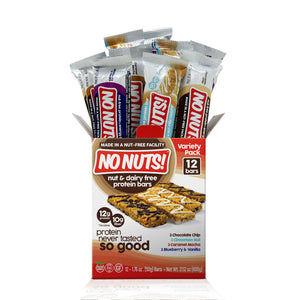
We focus on snacks made in 100% nut-free facilities. That removes the guesswork completely.
Bars are a popular choice because they combine safety and flavor. They are easy to pack and share.
Look for labels that clearly state facility standards. That is where real safety lives.

Best Nut-Free Snack Bars to Replace Candy
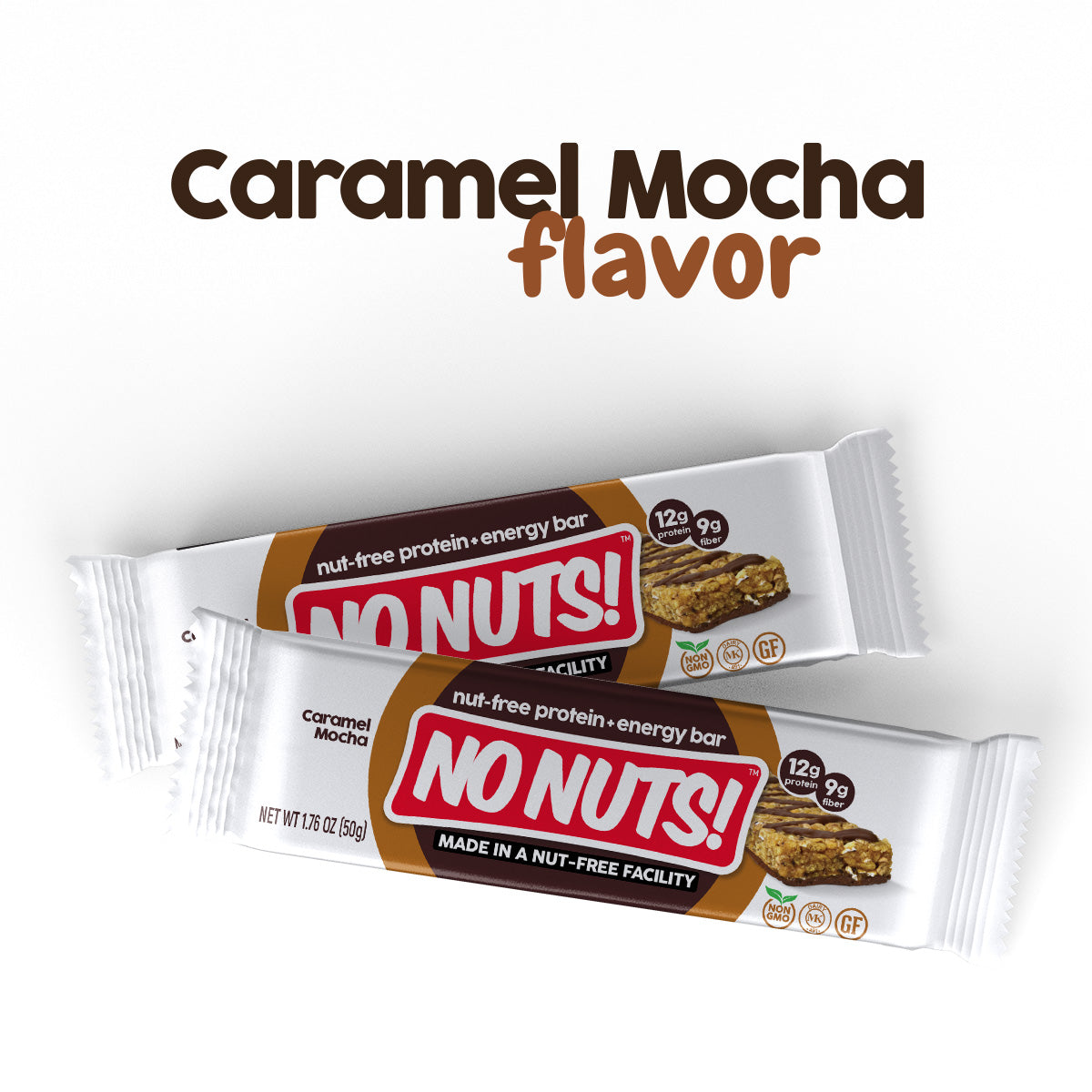
Snack bars offer a satisfying alternative to candy. They deliver flavor without the fear.
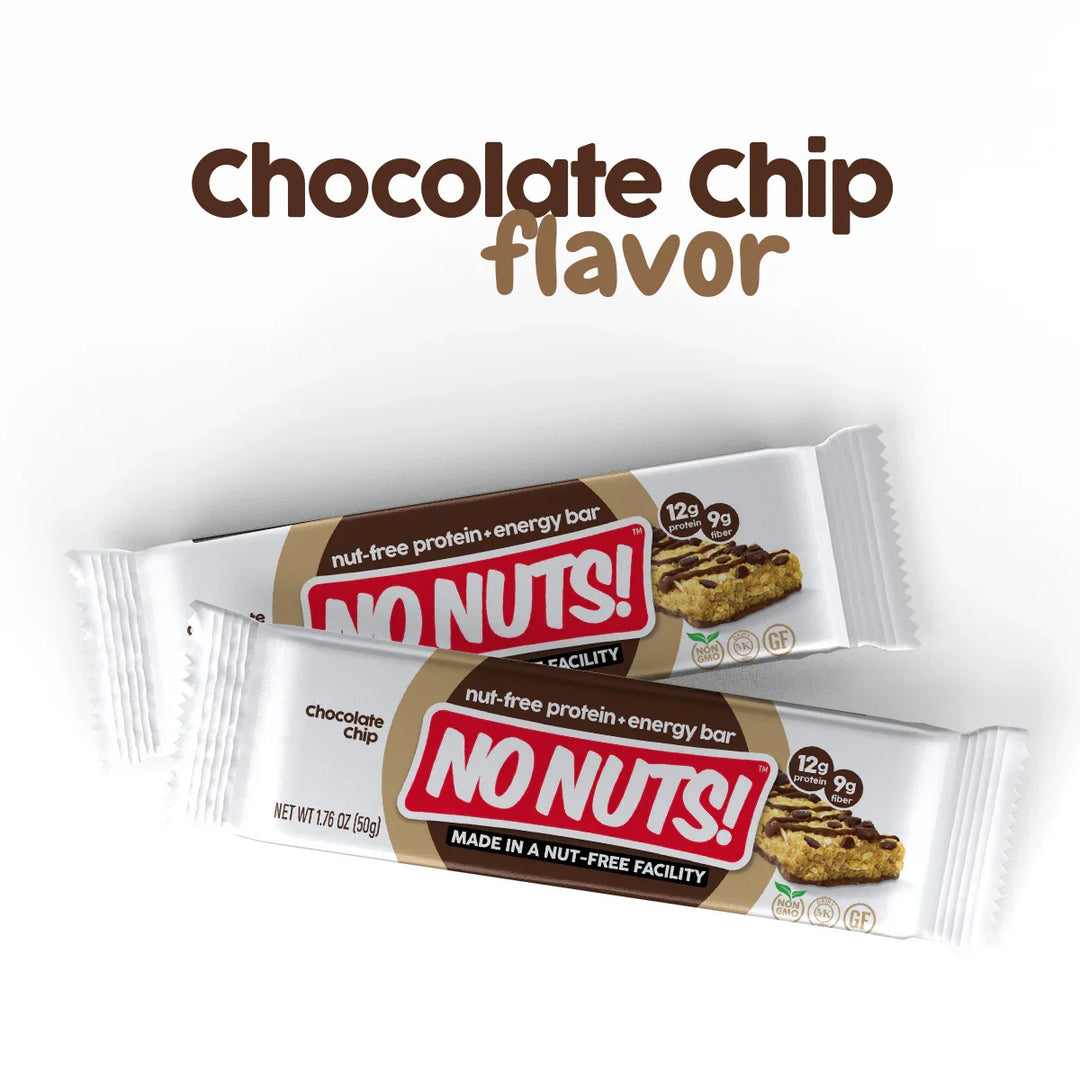
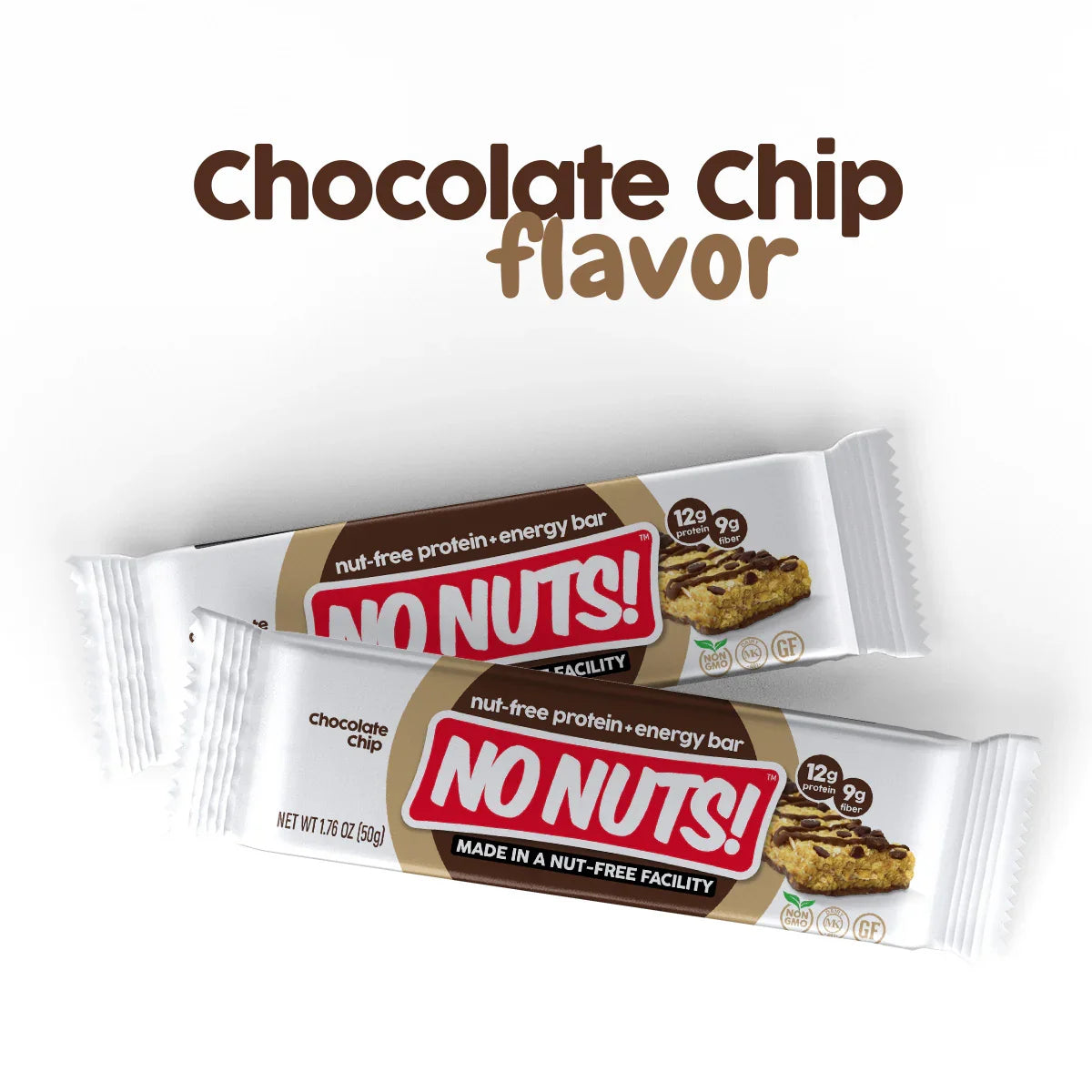
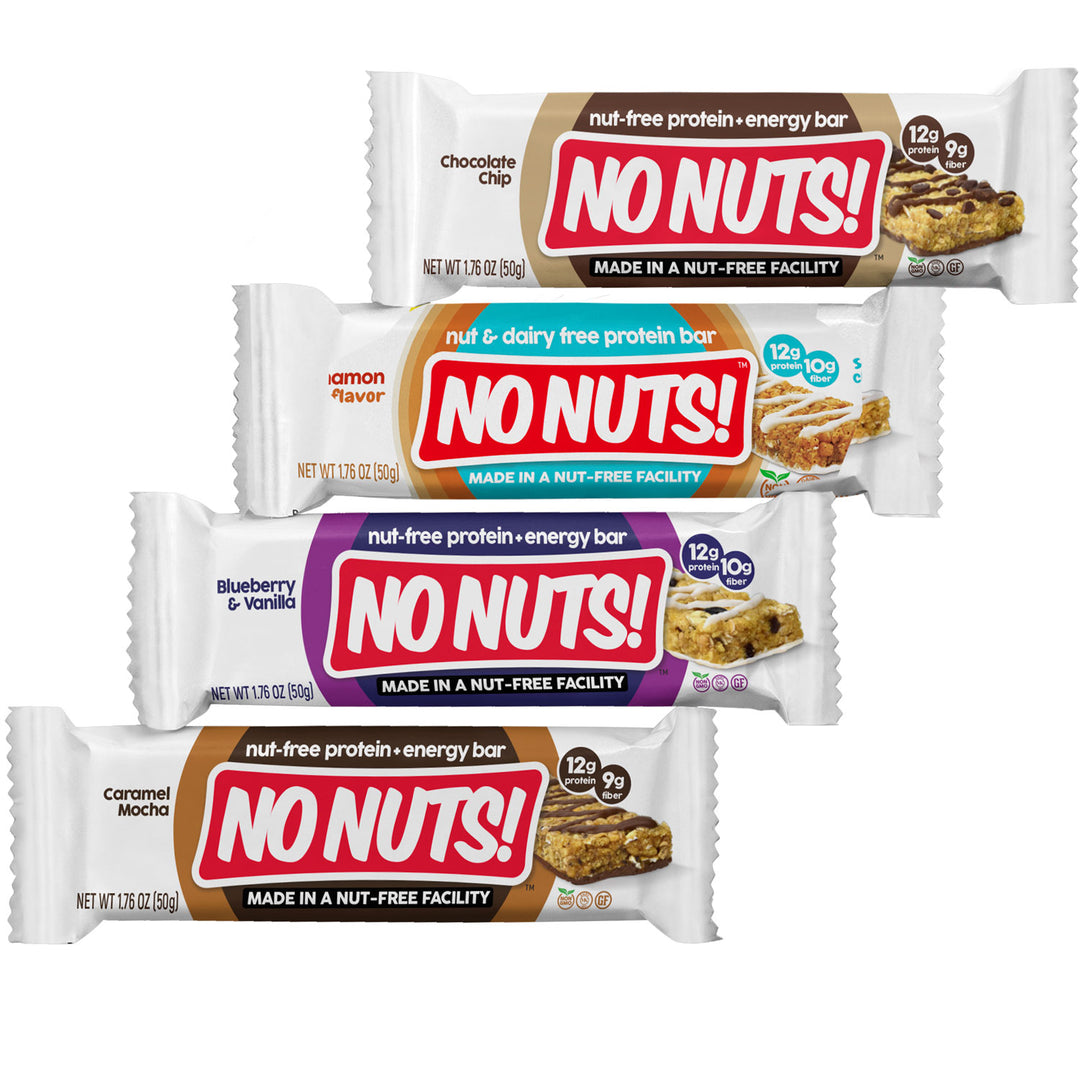
Options like chocolate chip or blueberry vanilla bring familiar sweetness. They feel like a treat, not a compromise.
Example pricing:
- Chocolate Chip Bars (12-pack): $32.99
- Subscribe & Save: $29.69
These bars are also Dairy-Free, making them more inclusive for different dietary needs.

School-Safe Snacking in 2026
Schools are becoming stricter about allergen safety. Nut-Free snacks help keep everyone included.
Sharing treats should not come with anxiety. Safe snacks bring kids together.
Bars are easy to pack and approved in many classrooms. They simplify daily routines for parents.
We see more families choosing reliable options over uncertain candies.

Are Dairy-Free and Nut-Free the Same Thing?
Dairy-Free and Nut-Free are different safety categories. A product can be one without being the other.
M&M’s often contain milk ingredients, so they are not Dairy-Free. That adds another layer for families to consider.
Many snack bars are both Dairy-Free and Nut-Free. That makes them more versatile.
Always check both labels when choosing snacks. It ensures full compatibility with dietary needs.
How to Read Labels Like a Pro
Start with the ingredient list, but do not stop there. Look for allergen statements and facility disclosures.
Watch for phrases like “may contain” or “processed in a facility with peanuts.” These are key warnings.
Check for certifications or claims about dedicated facilities. That is the gold standard.
When in doubt, choose brands that prioritize transparency. It makes decision-making easier.
Conclusion
M&M’s are not reliably peanut free, even when peanuts are not listed as ingredients. Cross-contact risks and shared facilities make them a cautious choice.
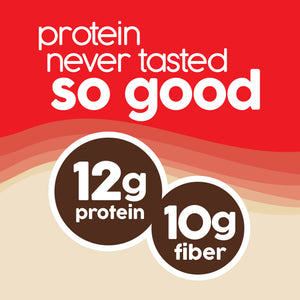
In 2026, more families are choosing snacks that are clearly Nut-Free and made in dedicated environments. It is a simple shift that brings real peace of mind.
When safety matters, we always recommend going with snacks you can trust. Flavor without fear is not just possible, it is the new standard.

