

Nut-Free Thanksgiving Pie and Dessert Swaps That Still Taste Like Fall
Nov 18, 2026
Nut-free Thanksgiving pie and dessert swaps work best when you replace the job nuts do in a recipe, not just the ingredient. With a little planning, you can serve familiar fall flavors and make space for guests’ specific allergy needs.
Key takeaways
- Before swapping an ingredient, identify whether nuts provide crunch, fat, moisture, flavor or structure.
- Pumpkin pie, apple pie with an oat crumble and baked fruit are familiar options that do not rely on a nut filling.
- Use recipes developed for gluten-free, dairy-free or vegan baking instead of assuming one direct swap will work.
- Ask guests what they need to avoid, including their concerns about cross-contact.
- Prepare and serve the chosen dessert with clean surfaces and dedicated utensils.
- Plan ahead for recipes that need time to cool, chill or set before serving.
Replace what the nuts do, not just the ingredient
Before adapting a recipe, work out why it includes nuts. Chopped nuts can add crunch and bulk, while ground nuts may contribute fat, moisture, flavor and structure.
A substitute that adds crunch alone may leave a cake dry or a filling poorly set. Look at the whole recipe, including how much moisture it contains and how it is meant to hold together.
Choose a topping for its texture
For a crisp topping, choose a recipe built around rolled oats, flour, sugar and butter or a suitable alternative. Oats bring a hearty texture, but they absorb moisture differently from chopped nuts, so a topping made for oats gives you a better starting point than simply replacing one ingredient with another.
Use the recipe’s mixing and baking instructions, too. A crumb topping needs enough fat to clump, while loose dry ingredients can bake up dusty rather than crisp.
Don’t swap nut meal cup for cup
Ground almonds and other nut meals affect moisture and structure because they contain fat and protein. Wheat flour has a different balance, so substituting the same volume can change how a cake or crust bakes.
Choose a recipe developed without nut meal. That gives the other ingredients, including the flour, liquid and binder, a chance to work together as intended.
Choose pies that work without a nut filling
Pumpkin pie is a straightforward nut-free Thanksgiving choice because its filling is a custard, and the nuts are not needed to hold it together. A spiced pumpkin filling in pastry gives you the familiar flavors and a smooth slice.
Apple pie is another classic option. Keep the fruit-and-spice filling, and add a flour-and-oat crumble topping if you want a crisp finish without chopped nuts.
Give pecan pie a different recipe
Instead of taking the pecans out of a pecan pie recipe, choose a nut-free oatmeal pie or brown-sugar custard pie recipe. Pecans contribute bulk and texture to the syrupy filling, while oats absorb liquid differently, so removing the pecans or adding oats to the same recipe can change the result.
Read the full recipe before Thanksgiving day and note which ingredients need advance preparation. A practice run is useful when you are adapting a family favorite, especially if the filling or crust depends on a particular texture.
Serve a crisp, custard or baked fruit dessert instead
A fruit crisp offers the warm spices and tart fruit of the season with a crunchy oat-and-flour topping. Try apples or cranberries, and use a recipe that does not call for chopped nuts.
Baked apples or pears are another simple choice. Cinnamon and a little maple syrup bring out the fruit’s sweetness, and the dessert does not depend on a nut-based crust or topping.
For a softer finish, choose pumpkin custard or another nut-free recipe designed for individual portions. Small servings can be easier to plate when guests are choosing among several desserts.
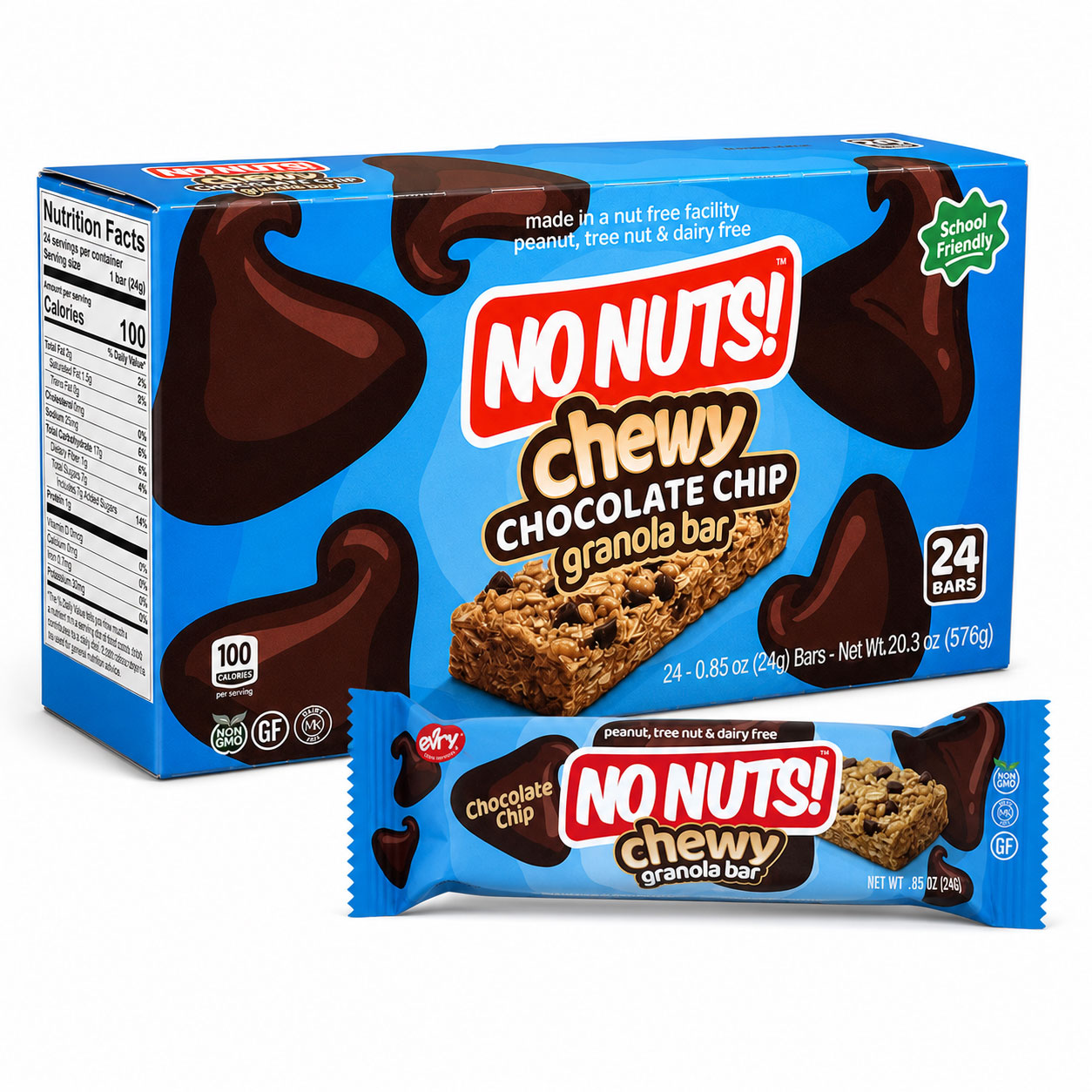
If you’re also setting out a packaged sweet snack, No Nuts! Chewy Chocolate Chip Granola Bars are an option.
Adapt recipes for gluten-free, dairy-free or vegan guests
A dessert can meet one dietary need and still contain another ingredient a guest avoids. Gluten-free, dairy-free and vegan do not automatically mean nut-free, so plan for each guest’s restrictions separately.
Pick ingredients made for the recipe
For gluten-free pastry or crumble, use a recipe designed for a gluten-free flour blend. Blends vary in their starches and binders, so a direct flour-for-flour swap can leave a crust crumbly or dense.
For dairy-free pastry, use a firm plant-based baking stick in a recipe designed for it. Plant-based creams and butters vary, and some may contain nuts or coconut, so compare each ingredient with the guest’s needs.
For vegan custard, use a recipe formulated to set without eggs. Eggs provide structure as well as richness, so replacing only the milk will not give the filling the same support.
When one guest has several restrictions, choose a recipe that addresses each one. Check every ingredient against those needs, including specialty flour blends, toppings and substitutes.
Plan for the guest’s specific allergy needs
Ask the guest which ingredients and cross-contact risks they need to avoid. Peanut and tree-nut allergies are distinct, and avoiding peanuts does not establish that a dessert is suitable for someone with a tree-nut allergy, or the other way around.
For packaged crusts, baking mixes, chocolate, toppings and dairy alternatives, contact the manufacturer about ingredients and cross-contact practices when the guest needs that information. Keep the ingredient label available, since recipes and packaged foods can change.
Do not treat “gluten-free,” “dairy-free” or “vegan” as a substitute for checking nut ingredients and the guest’s specific allergy needs. If a guest has an individual allergy plan, follow the instructions they provide; for medical advice, they should follow their doctor or allergist.
Prepare and serve desserts to prevent cross-contact
Wash your hands and clean work surfaces, pans and utensils with soap and water before preparing the dessert. Crumbs or residue on shared equipment can transfer allergens to ingredients that would otherwise be suitable for the guest.
Prepare and cover the dessert separately, then serve it with a clean, dedicated knife or spoon. Keep it apart from dishes containing nuts while food is being served, and ask the guest whether they need any additional steps as part of their allergy plan.
Make a simple serving plan before guests arrive: set aside the dessert, its utensil and a clear place to serve it. That gives everyone helping in the kitchen the same practical instructions.
Frequently asked questions
Can I freeze pumpkin or apple pie ahead of Thanksgiving?
Yes, both can be frozen, though their textures may change slightly after thawing. Freeze a fully cooled pumpkin pie and thaw it in the refrigerator; an assembled apple pie can be frozen before baking, then baked according to a recipe’s frozen-pie directions.
Does coconut count as a tree nut when planning for food allergies?
FDA guidance no longer lists coconut as a tree nut. A guest may still need to avoid coconut for their own allergy plan, so ask them directly rather than relying on a general category.
Can sunflower seed butter replace peanut butter in dessert recipes?
It can work in some recipes, especially ones where the butter adds moisture and richness, but its flavor and thickness can affect the result. Choose a recipe written for sunflower seed butter when the texture matters, and confirm the product fits your guest’s needs.
How can I keep a gluten-free pie crust from crumbling?
Chill the dough and roll it between sheets of parchment to make it easier to move without stretching. If a small crack appears, press the dough back together while it is still pliable before filling the crust.
Make room for a dessert everyone can share
The best nut-free Thanksgiving pie and dessert swaps start with the recipe’s purpose, then account for each guest’s actual allergy needs. Choose a dessert built for its ingredients, prepare it separately and serve it with care.
Always review the current package before consuming. School and facility food policies may vary.
A note on allergies: This article is general information, not medical advice. Ingredients and facility practices can change, so always read the full label and allergen statement before eating any food, and talk with your doctor or allergist about your own needs.
Our Chewy Chocolate Chip Granola Bars are made without the 9 major U.S. allergens (including soy); the facility also processes coconut.


