How to Choose Gluten-Free Protein Bars When You Have Other Food Restrictions
Oct 28, 2026
How to Choose Gluten-Free Protein Bars When You Have Other Food Restrictions starts with one priority: meet your essential safety needs first, then compare nutrition, flavor, and texture. With a clear order for checking labels, choosing a snack can feel safer and simpler.
Key Takeaways
| What to check | Why it matters |
|---|---|
| Your non-negotiable exclusions | Start with medically necessary restrictions, then check every relevant ingredient and allergen disclosure. |
| What each claim means | Gluten-free, dairy-free, vegan, and nut-free describe different things. One claim does not establish the others. |
| Gluten and cross-contact | For celiac disease or serious reactions, consider oats, manufacturing practices, and certification standards as well as ingredients. |
| Protein source | Whey, soy, pea, rice, and nut proteins suit different needs. Check crisps, coatings, and flavorings too. |
| Nutrition per serving | Compare protein, carbohydrates, added sugars, fiber, calories, and sodium using the same serving basis. |
| Current label details | Use the ingredient and nutrition information as a helpful starting point, then read the package for the specific bar you choose. |
Start with the restrictions that matter most
Write down the foods you must avoid before comparing bars. Put medically necessary exclusions, such as gluten, dairy, soy, or specific nuts, at the top so a favorite flavor or appealing protein number never outranks a safety need.
Dietary claims are not interchangeable. Vegan means a product has no animal-derived ingredients, but it does not establish that a bar is gluten-free or safe for someone with a particular allergy; dairy-free and nut-free claims also answer different questions.
Read the full ingredient list and allergen statement, not just the wording on the front of the wrapper. Precautionary allergen labeling and ingredient disclosures may help you assess a product, but they do not answer every individual safety question.
Once your essential exclusions are clear, sort your preferences separately. Plant-based eating, sweetness, flavor, and texture can help narrow the choices without being mistaken for allergy protections.


Understand what gluten-free means for your situation
When avoiding gluten, account for wheat, barley, and rye, including ingredients such as malt that may come from barley. A protein-focused bar can still contain gluten-containing ingredients, so the protein blend alone does not tell you whether it fits.
Oats are naturally gluten-free, but they can come into contact with gluten-containing grains during growing or processing. If you have celiac disease, choose oats and oat-containing foods in line with your clinician’s guidance.
The cited Nutrients source discusses the 20 mg/kg benchmark used in gluten-free labeling; it does not establish a universal rule for every jurisdiction or product. Labeling requirements and scope can vary, so check the relevant local regulator when you need to know which rule applies. Third-party certification can add an independent testing step, but certification programs can have different standards, so look at what the particular program verifies.

Treat this figure as a labeling benchmark, not a guarantee that a bar is safe for every person or a substitute for checking ingredients and manufacturing controls. Its legal scope depends on the labeling rules that apply where the product is sold.
For celiac disease or serious gluten reactions, consider cross-contact controls as well as ingredients. If manufacturing details leave an important safety question unresolved, ask the manufacturer or a qualified clinician rather than trying to infer the answer from a front-label claim.
The cited Nutrients source does not make this a universal daily limit for every person with celiac disease. Do not use the figure as a personal threshold; individual circumstances matter, so follow guidance from your qualified clinician.
Match the protein source to your other restrictions
If you avoid dairy, distinguish milk-derived whey and casein from plant proteins such as soy, pea, or rice. Plant-based protein may suit a dairy restriction, but it can still conflict with a soy or other allergy.
If you avoid soy or nuts, look for those ingredients in protein blends and crisps, then check coatings and flavorings for separate concerns. Also scan for less obvious gluten sources, including wheat-based protein ingredients and barley-derived malt.
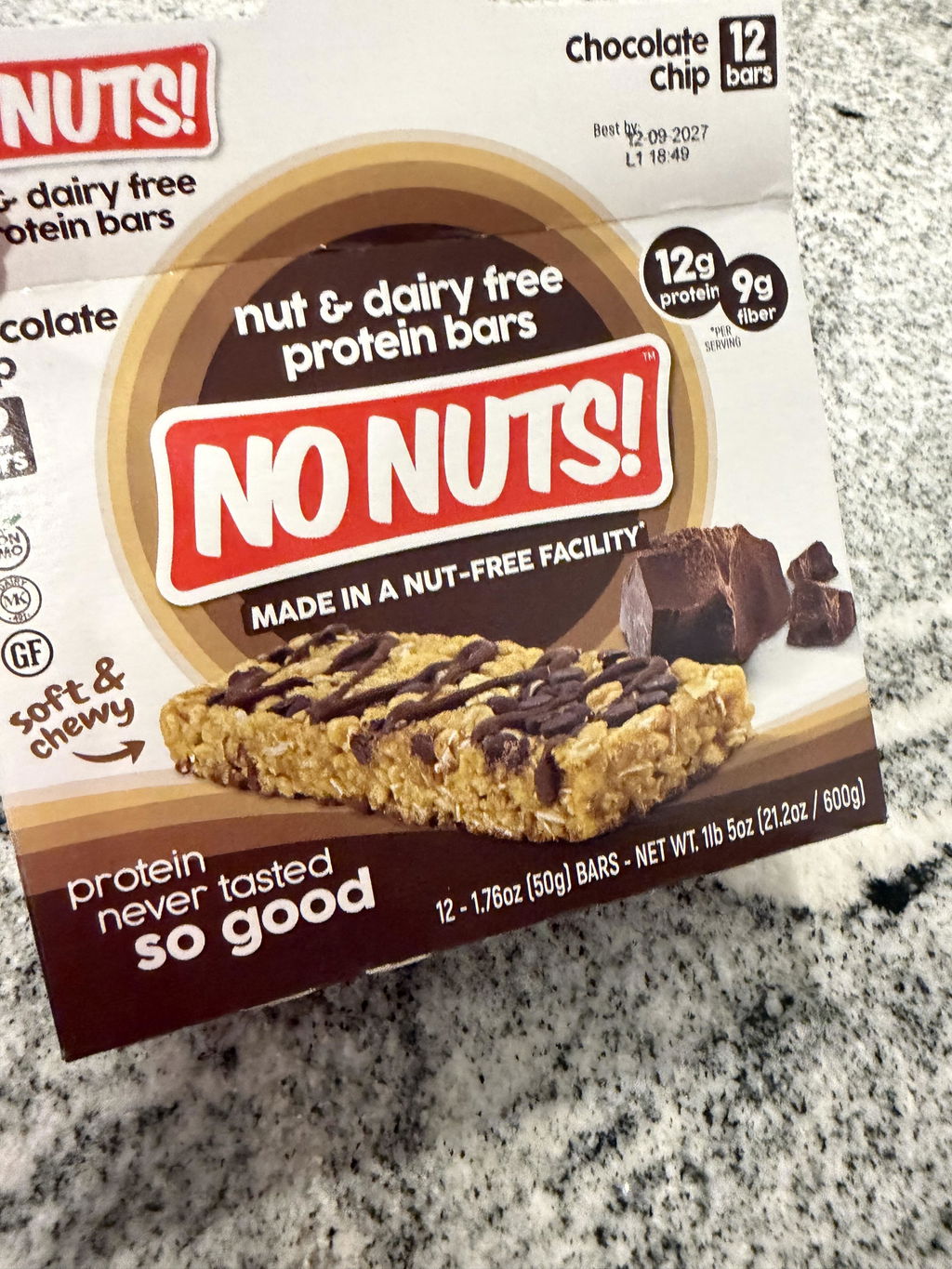
For example, a Cinnamon Roll Protein Bars - 72 Bar Case (6 Boxes of 12 bars) contains 72 individually wrapped gluten-free bars and is made in a dedicated nut-free facility.

Our nut-free protein bar collection can help you explore options around that restriction. Keep checking each bar’s own ingredient and allergen details against your full list of needs.
Compare nutrition using the same serving basis
Compare protein, carbohydrates, added sugars, fiber, calories, and sodium per bar, or convert the values to the same amount before comparing. A bar with a larger serving size can appear higher in both protein and sugar simply because it contains more food.
Choose protein and fiber amounts for the bar’s job. A snack, a convenient bite around exercise, and part of a larger meal can call for different portions, and a high protein number alone does not make a bar the right fit.
When a medical diet has needs beyond ingredient exclusions, account for those too. Gluten-free and high-protein do not automatically mean nutritionally suitable for every person or every eating plan.
The Blueberry & Vanilla Snack Bars - 12 Bar Pack offers a concrete example of comparing several factors: each bar is listed with 12 g protein, 10 g fiber, and 190 calories, alongside gluten-free, dairy-free, and vegan claims. Its nutrition details make it easier to weigh several priorities together rather than choosing by protein alone.
The product examples and links are from No Nuts, the seller. They show how to use the checks, not independent product testing.
These No Nuts product examples illustrate how to apply the checklist; they are not independent testing or a complete market comparison. Both are described as gluten-free. The Cinnamon Roll example adds dedicated nut-free-facility information, while Blueberry & Vanilla lists dairy-free and vegan claims and per-bar protein, fiber, and calorie details. Those details do not allow a full nutrition or allergy comparison for Cinnamon Roll. For a fair comparison, check both current packages for serving size, protein, fiber, added sugars, calories, sodium, ingredients, and allergen statements, then ask about the same facility controls for each.

For another starting point when comparing nut-free and dairy-free snacks, browse our snack bar collection. Use the nutrition panel and serving size to decide whether a particular option suits your day.
Assess cross-contact and unclear allergen information
For celiac disease or a serious food allergy, consider shared equipment, facility practices, and precautionary allergen statements alongside ingredient screening. These details help build a fuller picture, but they do not replace checking the ingredients themselves.
A precautionary statement is not a guarantee of safety or a precise measurement of cross-contact risk. Its absence also cannot settle every person’s safety question, because individual needs and manufacturing details differ.
To compare manufacturing controls, ask whether the bar uses shared equipment or a shared facility, which allergens are handled there, and what cleaning and changeover steps are used between products. Ask how those steps are verified, whether testing or other checks are performed, and whether the answers apply to the specific bar and current production site. A specific description of controls is more useful than a broad assurance, but no single answer proves that a product is safe for every person. If key details remain unclear, use your clinician’s guidance.
When a warning or process detail is unclear and the restriction is medically important, contact the manufacturer. If you follow an elimination diet with additional clinical requirements, use your clinician’s criteria rather than relying on broad claims such as vegan or gluten-free.
We also recommend checking the exact package label each time you buy a bar. Product recipes and packaging can change, and the current ingredient and allergen information is what matters for the bar in your hand.
Narrow the choices by taste, texture, and use
Once a bar meets your safety and nutrition criteria, compare flavor and texture. Chewy versus crisp, or coated versus uncoated, can make the difference between a bar that fits your routine and one that stays in the cupboard.
For travel and busy days, look for individual wrapping and a format that is easy to carry. A protein bar can be a convenient snack, but its label does not make it a complete meal.
For exercise, consider when you plan to eat the bar and how its protein, carbohydrates, and fiber fit your goals and personal tolerance. A bigger protein number by itself does not determine the best choice.
If you have not tried a flavor or texture before, start with a smaller quantity rather than committing to a large supply. Keep the same restriction and safety criteria in place as you explore new options.
Frequently Asked Questions
What is the most unhealthy gluten-free protein bar?
There is no single gluten-free protein bar that is the unhealthiest choice for everyone, because needs and overall eating patterns differ. A bar that clashes with a medical diet or contributes little beyond ingredients you are trying to limit may be a poor fit for you.
Can children eat protein bars made for adults?
Some children can eat adult protein bars, but the bar’s size, texture, ingredients, and fiber content may not suit every child. A caregiver can use the child’s age, eating abilities, and individual dietary needs to decide whether a bar is an appropriate snack.
Can a protein bar replace a meal?
A protein bar can be part of a meal, but a bar on its own may not provide the range of foods and nutrients you would normally include. If you need a portable meal, pair it with other foods that fit your dietary needs.
What should I do if I have a reaction after eating a bar labeled gluten-free?
Stop eating the bar and follow your personal medical or allergy action plan. For a severe allergic reaction, use prescribed emergency medication as directed and seek emergency help; keep the wrapper so you can share its ingredients and product details with your care team.
Does a gluten-free bar automatically work for someone with a wheat allergy?
No. Gluten-free and wheat-free are not identical claims, so a person with a wheat allergy needs to assess wheat ingredients and allergen disclosures separately from gluten status.
How can I store gluten-free protein bars in a shared household?
Keep individually wrapped bars in a clean, closed container and store them apart from loose foods that could leave crumbs or residue on the wrappers. Use clean hands and surfaces when packing them with other snacks.
What's the healthiest gluten-free protein bar?
There is no single healthiest choice for everyone. Look for a bar that meets your dietary and allergy needs, then compare protein, fiber, added sugars, and other nutrition details in light of how you plan to use it.
What protein should celiacs avoid?
People with celiac disease should avoid protein ingredients made from wheat, barley, or rye, including wheat-based protein and barley-derived malt. Check the full ingredient list and consider cross-contact, since the protein source alone does not establish that a bar is gluten-free.
Conclusion
How to Choose Gluten-Free Protein Bars When You Have Other Food Restrictions becomes easier when you work through the same steps each time: identify essential exclusions, check gluten and cross-contact details, match the protein source to your needs, then compare nutrition and preferences. The right bar should offer flavor without fear and fit comfortably into the way you actually eat.
A note on allergies: This article is general information, not medical advice. Ingredients and facility practices can change, so always read the full label and allergen statement before eating any food, and talk with your doctor or allergist about your own needs.
No Nuts! protein bars (Chocolate Chip, Blueberry & Vanilla, Caramel Mocha and Cinnamon Roll) are made in a nut-free facility, and every ingredient is listed on our ingredients page. Our Chewy Chocolate Chip Granola Bars are made without the 9 major U.S. allergens (including soy); the facility also processes coconut.