How to Build an Allergy-Safe Classroom Emergency Snack Bin (With a Free Printable Inventory Tracker)
Aug 05, 2026
Every 3 minutes, a child is rushed to the ER for a food allergy reaction, which is exactly why building a reliable classroom emergency snack bin matters more in 2026 than it ever has before. If you're a teacher, room parent, or school nurse trying to figure out how to build an allergy-safe classroom emergency snack bin, this guide walks through every step, including a printable inventory and expiration tracker you can use starting today.
Key Takeaways
- Nearly half of severe reactions happen in class. That's why the bin needs to live in the room, not the nurse's office down the hall.
- Stock Nut-Free and Dairy-Free options first. These two categories cover the largest share of common classroom allergens.
- Track expiration dates monthly. A printable inventory and expiration tracker keeps the bin from going stale or expired mid-semester.
- Choose individually wrapped Snacks and Bars. Single-serve packaging avoids cross-contact and makes distribution fast during an emergency.
- Sample packs help you test flavors first. A nut-free sample pack lets a classroom try several flavors before committing to a full case.
- Wholesale cases save money for multi-classroom schools. Buying in bulk through a wholesale nut-free snack bar collection cuts the per-bar cost significantly.
- Label everything clearly. A well-organized allergy-safe classroom emergency snack bin should be labeled by allergen, not just by flavor.
Why Every Classroom Needs an Allergy-Safe Emergency Snack Bin
Roughly 1 in 13 children, or about two students in every classroom, lives with a diagnosed food allergy. That statistic alone should convince any teacher that a dedicated bin isn't optional anymore.
An allergy-safe classroom emergency snack bin gives teachers a fast, reliable source of food that won't trigger a reaction. It also removes the guesswork during a fire drill, a delayed lunch period, or a forgotten snack day.
Beyond avoiding a reaction, a well-stocked bin builds trust with parents. When families know a classroom emergency snacks system exists, they worry less about drop-off mornings when a lunch gets left at home.
What Belongs in a Classroom Emergency Snack Bin
The core of any allergy-safe classroom emergency snack bin is the food itself. Every item should be shelf-stable, individually wrapped, and free of the most common classroom allergens.
Here's a simple checklist we recommend for teachers building their first bin:
- Nut-Free snack bars or crackers, individually wrapped
- Dairy-Free options for lactose-intolerant or milk-allergic students
- Gluten-free items for celiac or gluten-sensitive students
- A laminated allergen chart posted inside the bin lid
- A printable inventory and expiration tracker sheet, clipped to the inside
- Extra napkins, wet wipes, and disposable gloves
Skip anything with tree nuts, peanuts, shellfish, or unlabeled ingredients. If a snack doesn't clearly state it's Nut-Free and Dairy-Free on the wrapper, it doesn't belong in the bin.
Best Nut-Free and Dairy-Free Snack Bars for Your Bin
When we looked at what actually works well in a classroom setting, individually wrapped Snacks and Bars came out on top. They're easy to portion, easy to store, and easy to hand out without cross-contact concerns.
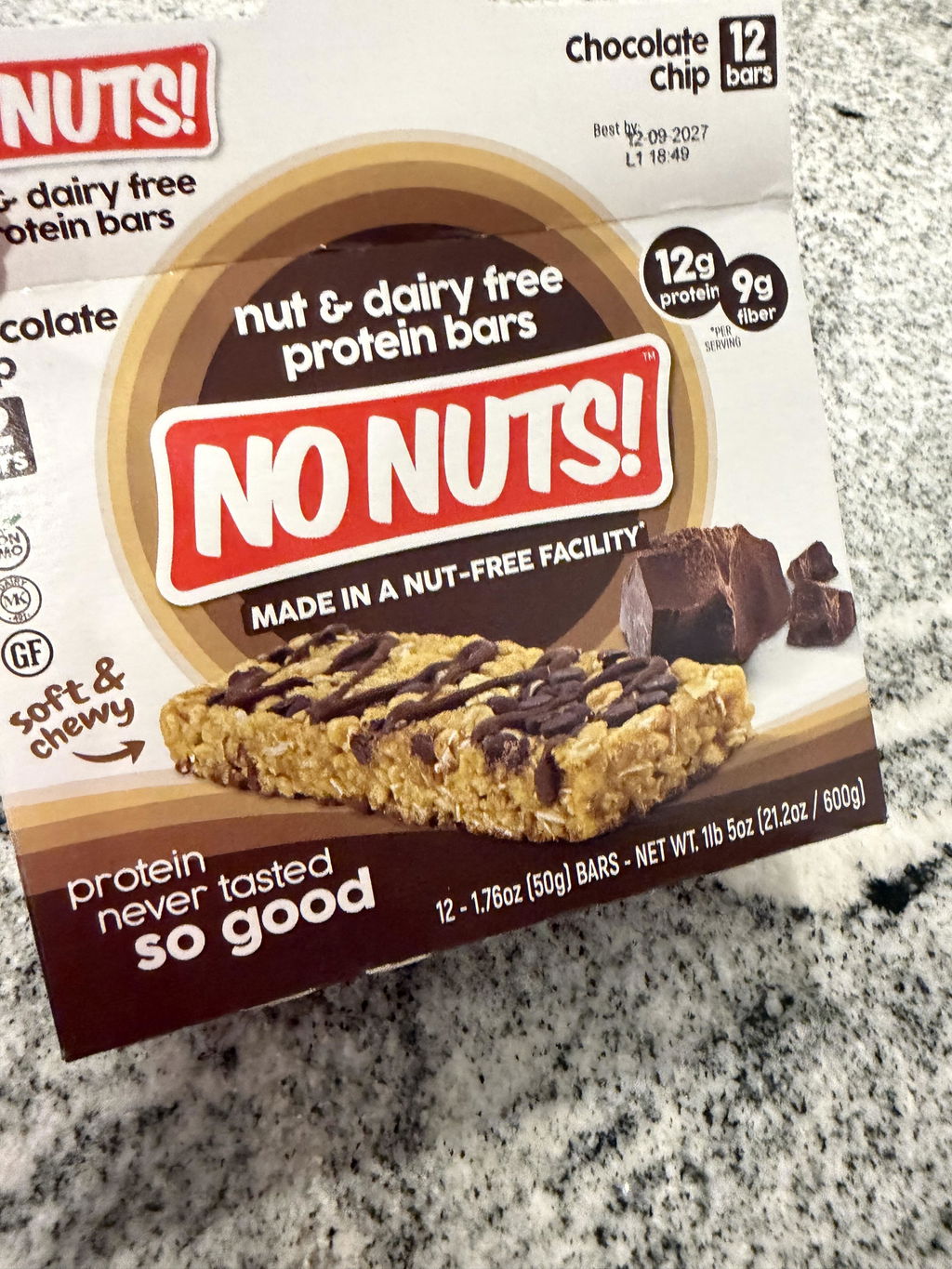
No Nuts! makes a full lineup of school-safe bars produced in a certified nut-free facility, which makes them a strong fit for any allergy-safe classroom emergency snack bin.
Chocolate Chip Snack Bars
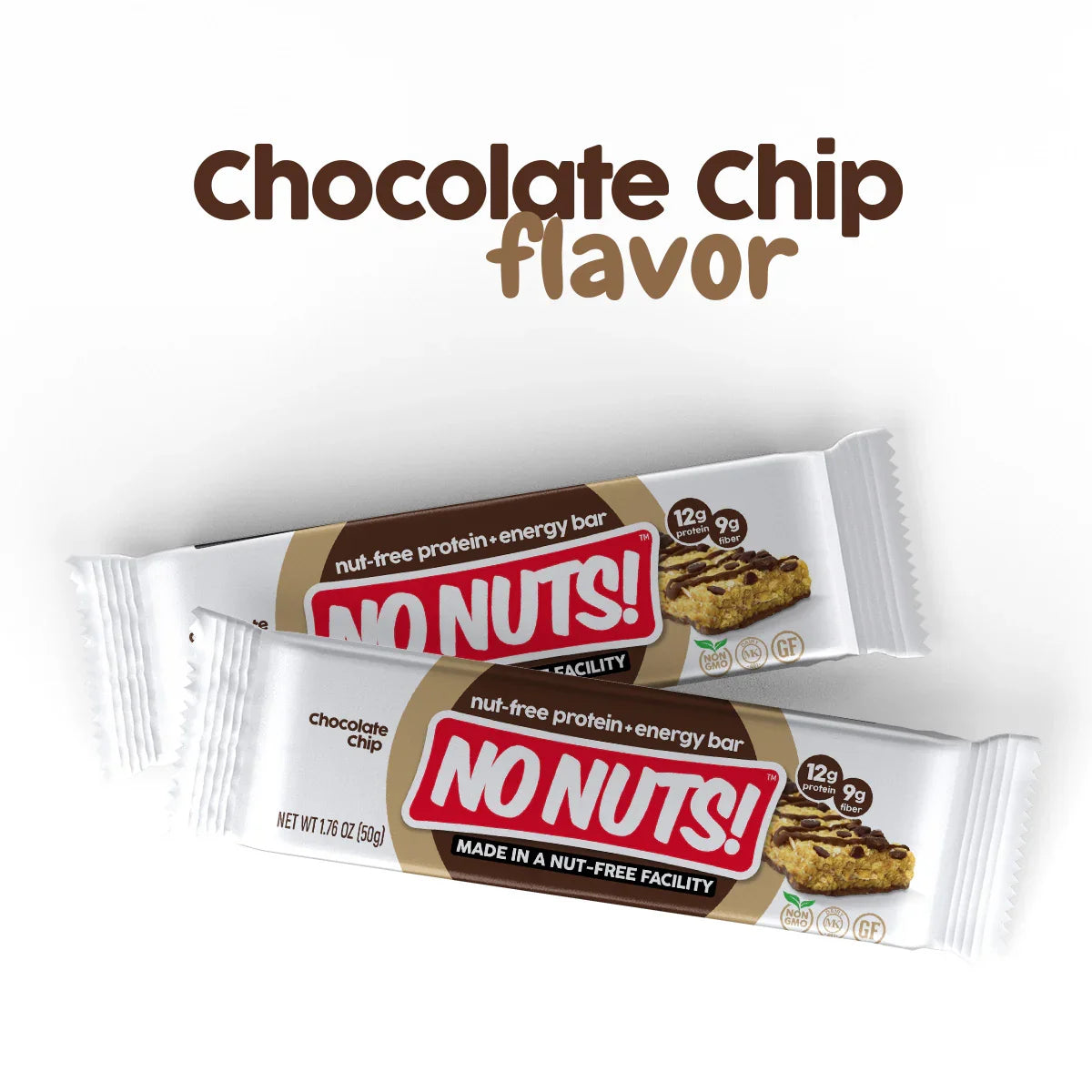
These Nut-Free Chocolate Chip Snack Bars pack 12g of protein and 9g of fiber into a dairy-free, gluten-free bar. At $32.99 per case, they're a solid, kid-approved starting point for a classroom bin.
Blueberry Vanilla Snack Bars
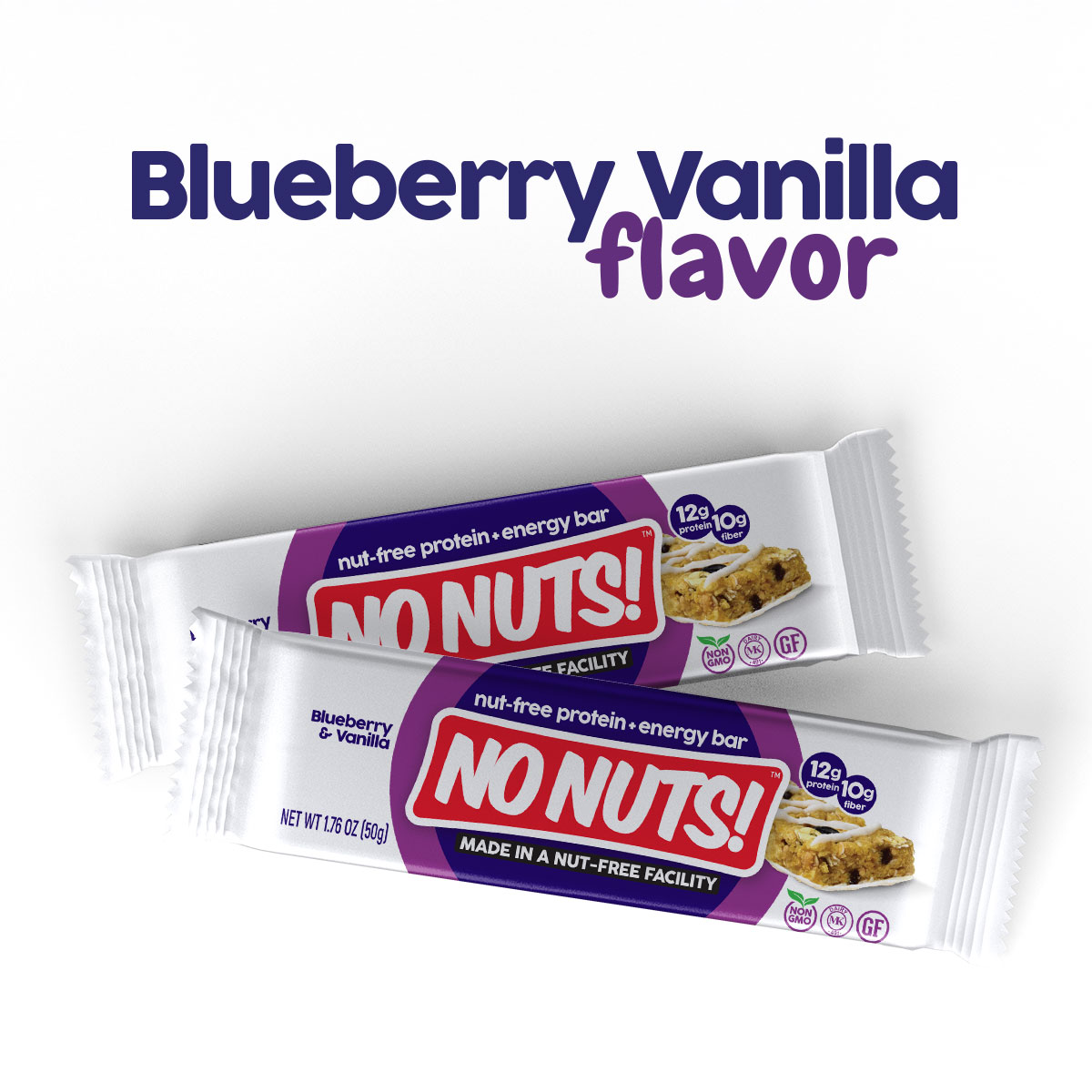
The Nut-Free Blueberry Vanilla Snack Bars offer the same 12g protein, 9g fiber profile, priced at $32.99. It's a lighter, fruit-forward flavor that tends to be a hit with younger grades.
Caramel Mocha Snack Bars
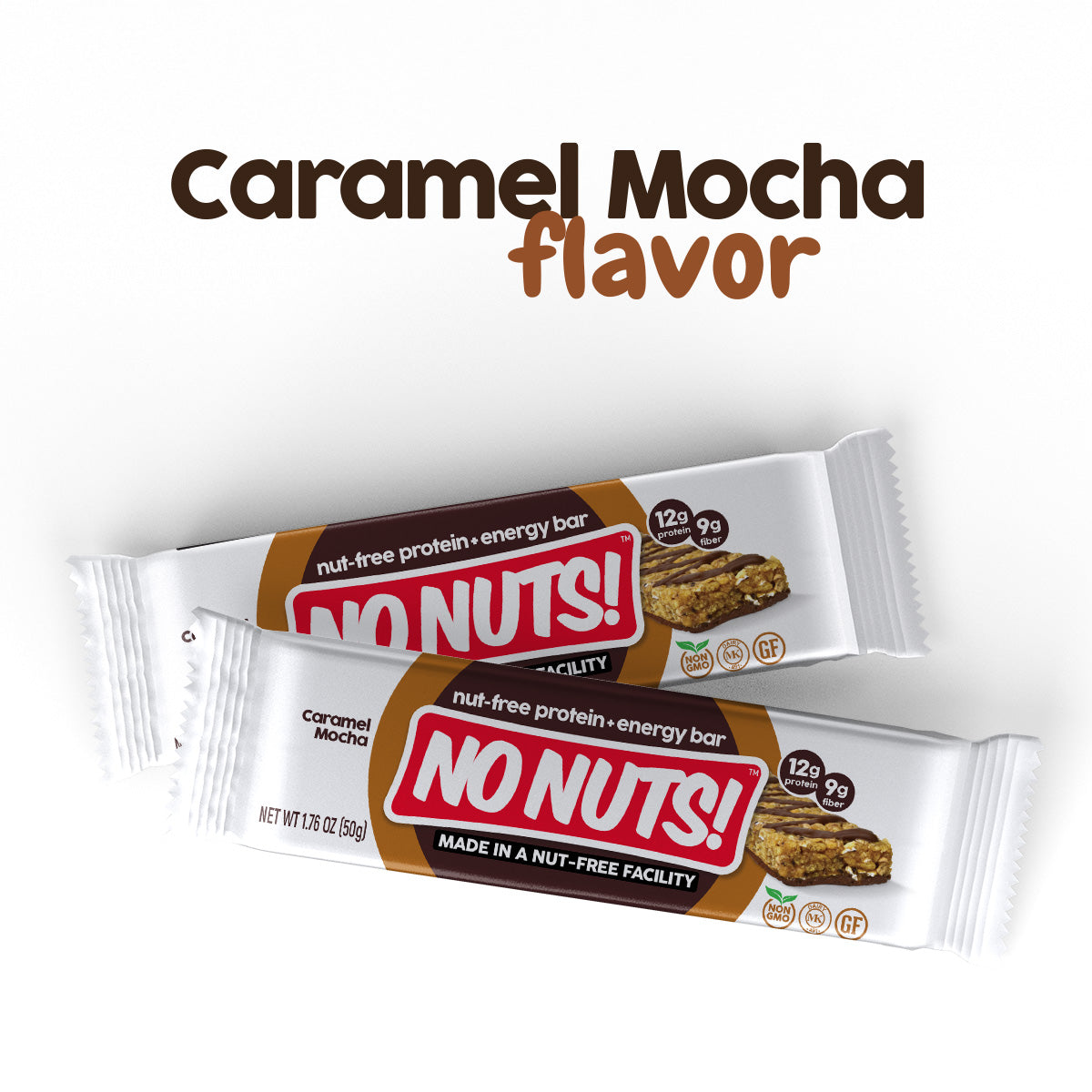
For older students, the Nut-Free Caramel Mocha Snack Bars bring a richer flavor and are also vegan, at $32.99 per case. All three flavors come from the same nut-free protein snack bar collection, so mixing and matching is easy.
Try Before You Stock: Sample Packs for Classroom Emergency Snacks
Not every class wants to commit to a full case of one flavor. We suggest starting with a smaller trial run before building out the full bin.
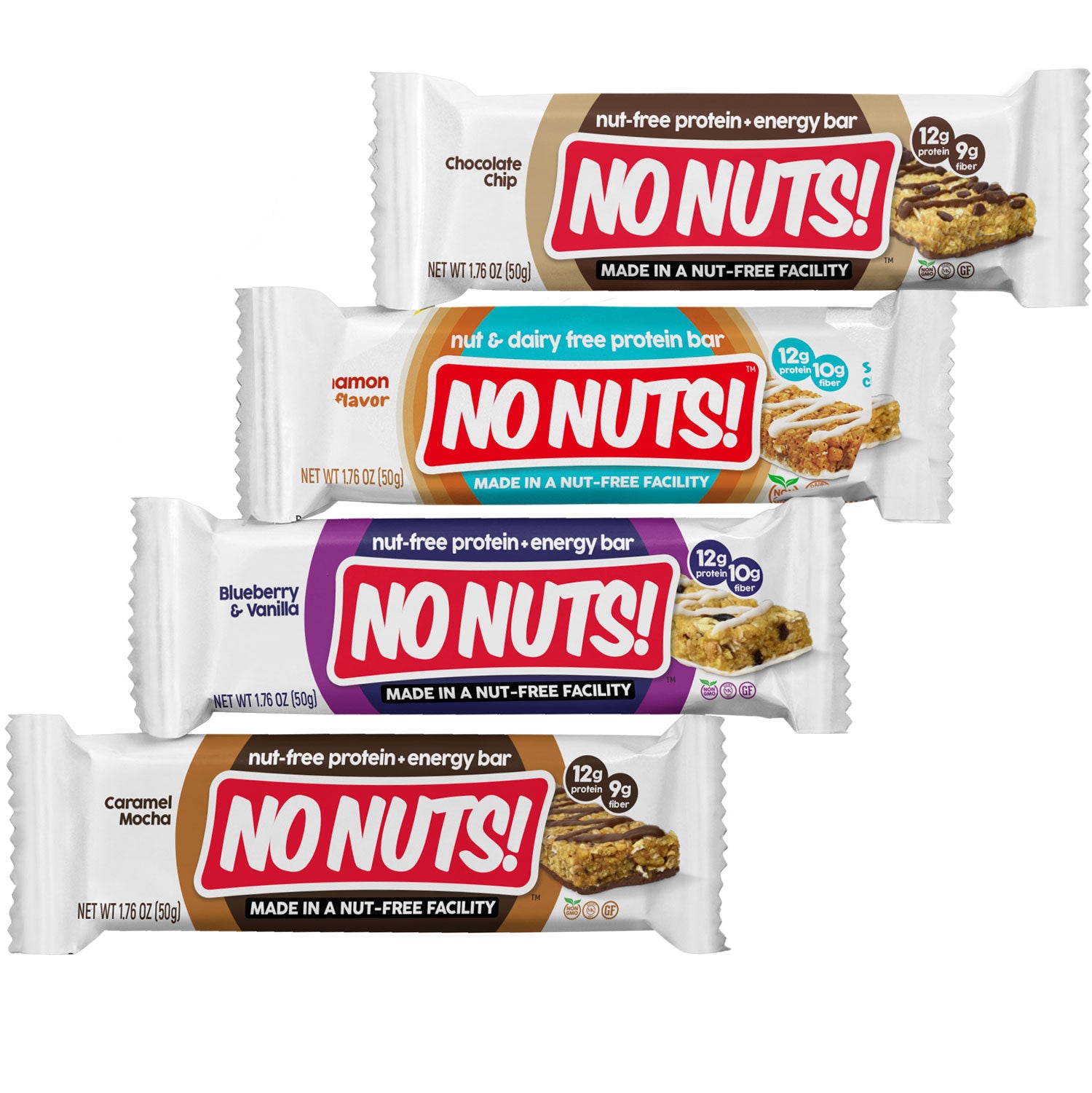
The Nut-Free Snack Bar Sampler 4-Pack costs $12.99 and includes Chocolate Chip, Cinnamon Roll, Blueberry Vanilla, and Caramel Mocha. It's a low-risk way to find out which Snacks and Bars your class actually prefers before ordering a full box for the emergency bin.
You can also browse the full sample pack collection or check the broader nut-free snacks collection for additional options as your bin needs grow.
Building a Printable Inventory and Expiration Tracker for the Bin
Snacks don't sit in a bin forever. Even shelf-stable Bars have a shelf life, so an allergy-safe classroom emergency snack bin needs a printable inventory and expiration tracker to stay useful.
We recommend a simple one-page sheet taped to the inside of the bin lid, with these columns:
| Item | Allergen-Free Status | Quantity | Expiration Date | Last Checked |
|---|---|---|---|---|
| Chocolate Chip Bar | Nut-Free, Dairy-Free | 12 | MM/YYYY | |
| Blueberry Vanilla Bar | Nut-Free, Dairy-Free | 12 | MM/YYYY | |
| Caramel Mocha Bar | Nut-Free, Dairy-Free, Vegan | 12 | MM/YYYY | |
| Sampler Pack | Nut-Free, Dairy-Free | 1 | MM/YYYY |
Have a room parent or teacher's aide check the tracker once a month. This is also a good time to note whether medications stored nearby, like epinephrine, still fall within their two-year to 2.5-year shelf life window.
A printable inventory and expiration tracker turns a one-time setup project into an ongoing system that actually works when it's needed most.
Stocking the Bin on a Budget: Wholesale Options
If you're outfitting more than one classroom, buying individual cases adds up fast. That's where a wholesale nut-free snack bar option makes sense for a school-wide rollout.
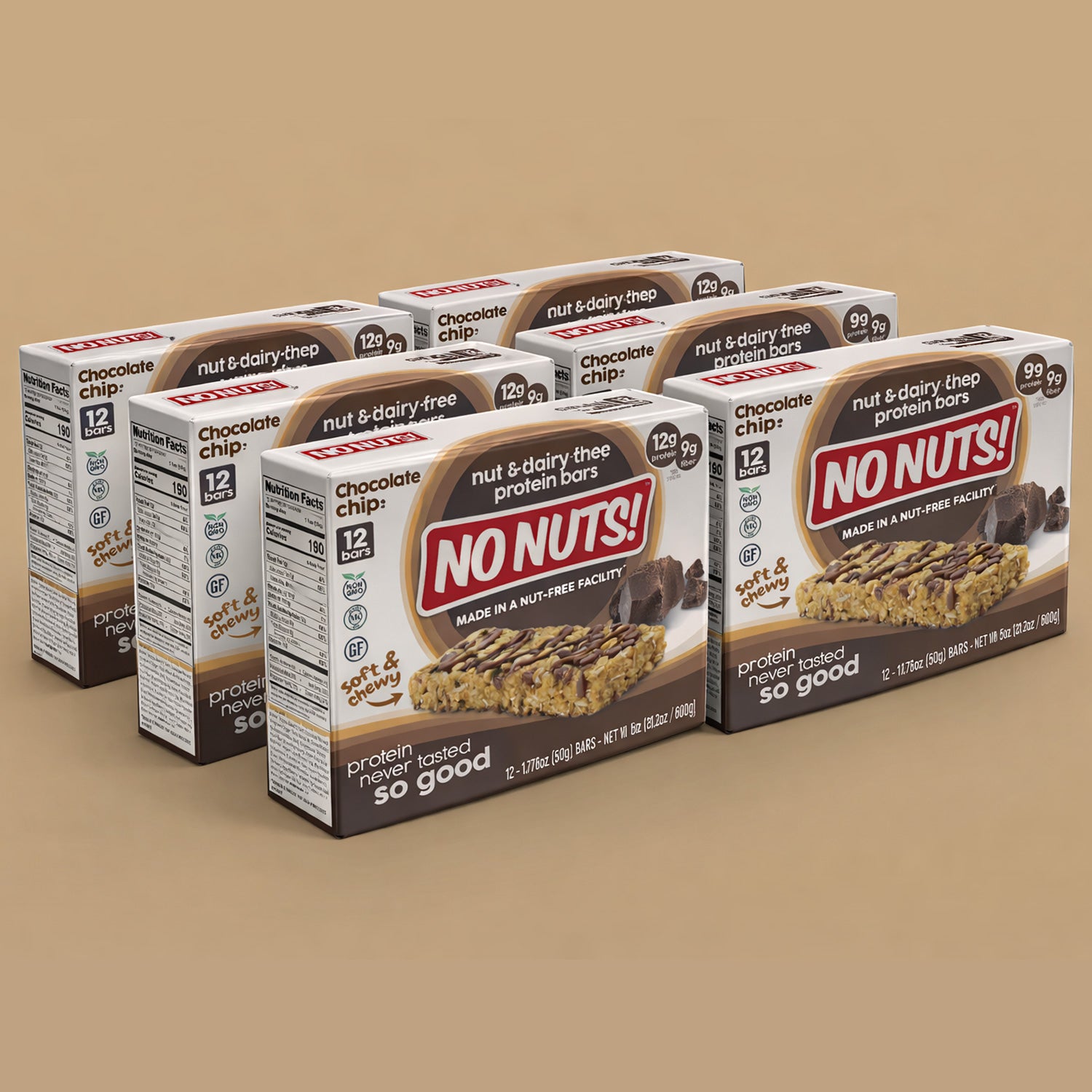
The Wholesale Chocolate Chip Nut-Free Bars 72-Pack arrives as six boxes of 12, which is enough to stock several classrooms at once. Schools can also check the wholesale Blueberry Vanilla case, the wholesale Caramel Mocha case, or the wholesale Cinnamon Roll case for variety across grade levels.
For PTA groups managing multiple bins, the full wholesale collection is worth reviewing before placing a single big order. Buying wholesale generally lowers the per-unit cost compared to ordering single boxes repeatedly throughout the year.
Where to Store an Allergy-Safe Classroom Emergency Snack Bin
Location matters as much as contents. The bin should sit somewhere every adult in the room can reach it without a key or a trip to the office.
A few placement guidelines we've found useful:
- Keep the bin at eye level or lower, clearly labeled, away from any peanut butter or tree nut products stored in the room
- Store any accompanying medication between 68°F and 77°F (20°C to 25°C), away from direct sunlight or heating vents
- Post the printable inventory and expiration tracker on the outside or just inside the lid
- Assign a backup adult (aide, specials teacher, or office staff) who also knows where the bin lives
If nasal epinephrine is part of the room's emergency plan, remember that a second dose should wait 5 minutes after the first if symptoms persist. That detail belongs on the same card as the bin's inventory sheet, not buried in a separate binder.
Severe food-allergy reactions in schools by location, highlighting why an in-class emergency snack bin matters
Teaching the Whole Class How the Bin Works
A bin only helps if students and staff know it exists and understand how to use it. Spend ten minutes at the start of the year walking the class through the setup.
We suggest covering three things with students: where the bin lives, which items are Nut-Free and Dairy-Free safe for everyone, and why they shouldn't dig into it without permission. For staff, review the printable inventory and expiration tracker together and confirm who's responsible for the monthly check.
Substitute teachers should also get a quick rundown, since they're often the ones caught off guard during an actual emergency. A laminated one-pager next to the bin solves this without adding to anyone's workload.
Restocking Schedule for Your Classroom Snack Bin
Set a recurring reminder, monthly works well, to check stock levels and swap out anything close to its expiration date. Classroom emergency snacks rotate faster than most people expect, especially in classrooms with several allergic students pulling from the bin regularly.
Here's a simple restocking rhythm that's worked well for the classrooms we've talked to:
- Check the printable inventory and expiration tracker on the first school day of each month
- Reorder any Nut-Free Snacks and Bars running below a two-week supply
- Rotate older stock to the front so it gets used before newer boxes
- Note any flavor requests from students to adjust future orders
Browsing the full nut-free bar collection once a semester helps you spot new flavors worth adding to the rotation.
Conclusion
Building an allergy-safe classroom emergency snack bin doesn't require a big budget or a complicated system. It requires a few reliable Nut-Free, Dairy-Free snacks, a clear storage spot, and a printable inventory and expiration tracker that someone actually checks each month.
Start small with a sampler pack, figure out what your class likes, then scale up to full cases or a wholesale order as the year goes on. A classroom emergency snacks system built this way holds up under pressure, which is exactly what it needs to do.
Frequently Asked Questions
What should go in a classroom emergency snack bin?
A classroom emergency snack bin should hold individually wrapped Nut-Free and Dairy-Free Snacks and Bars, a laminated allergen chart, and a printable inventory and expiration tracker. Everything inside should be shelf-stable and clearly labeled so a substitute teacher or aide can use it without guessing.
How often should I check expiration dates on classroom emergency snacks?
Check the bin monthly using a printable inventory and expiration tracker taped inside the lid. Rotating stock this often keeps the allergy-safe classroom emergency snack bin fresh and ready for daily use, not just for emergencies.
Are nut-free snack bars actually safe for classrooms with severe allergies?
Bars made in a certified nut-free facility, like the No Nuts! lineup, are formulated specifically to be safe for school settings. Always check the wrapper for Nut-Free and Dairy-Free labeling and confirm with the school nurse before adding any new product to the bin.
Is it worth buying wholesale snack bars for a whole school in 2026?
Yes, if more than one classroom needs an allergy-safe snack bin, wholesale cases lower the per-bar cost significantly compared to individual boxes. A 72-pack wholesale case can stock several rooms at once and reduces how often staff need to reorder.
Where should the emergency snack bin be stored in the classroom?
Keep it somewhere every adult in the room can reach without a key, away from any nut products stored elsewhere in the classroom. If medication is stored alongside the snacks, keep it between 68°F and 77°F, out of direct sunlight.
How many food allergy reactions actually happen at school?
Nearly half of severe allergic reactions in schools occur in the classroom itself, not the cafeteria or nurse's office. That's the main reason an allergy-safe classroom emergency snack bin needs to live in the room, within arm's reach of the teacher.
What's the difference between a sample pack and a full case for a classroom bin?
A sample pack, like the 4-flavor sampler, lets a class try several Nut-Free, Dairy-Free options before committing to a bigger order. Once you know which flavors work, a full case or wholesale box is the more cost-effective way to keep the bin stocked long term.