How Long Do Protein Bars Last? Storage Tips to Keep Every Bar Fresh
Aug 01, 2026
If you've ever wondered how long do protein bars last, the answer might surprise you: in one survey, 100% of respondents reported their protein bars had hardened by the six-month mark, long before most people assume a "shelf-stable" snack would go bad. That's why understanding protein bar storage isn't just a nice-to-know, it's the difference between a soft, chewy bite and a chalky brick you toss in the trash.
At No Nuts!, we make nut-free and dairy-free snack bars, so we think about shelf life and storage constantly. Below, we break down exactly how long do protein bars last, what causes them to degrade, and how to store your bars and snacks so every bite tastes like the first one.
Key Takeaways
| Question | Quick Answer |
|---|---|
| How long do protein bars last unopened? | Typically 18 months when stored in a cool, dry pantry. |
| How long do protein bars last after opening the wrapper? | Best eaten within a few hours to a day once unwrapped and exposed to air. |
| Do nut-free and dairy-free bars last as long as regular protein bars? | Yes, formulations like our nut-free protein bars follow similar shelf-stable storage timelines. |
| What's the biggest sign a protein bar has gone bad? | Hardening texture, gritty mouthfeel, and noticeable flavor loss. |
| Where should I store protein bars and snack bars? | A cool, dry cabinet away from direct sunlight and heat sources. |
| Can I store protein bars in the fridge? | You can, and it may extend softness, but it isn't required for most shelf-stable bars. |
| Where can I find allergy-friendly options? | Browse our nut-free snacks collection for school-safe, shelf-stable choices. |
How Long Do Protein Bars Last? A Realistic Storage Timeline
Most commercial protein bars are formulated to be shelf-stable for 12 to 18 months from the manufacturing date when the wrapper stays sealed.
That timeline assumes proper storage conditions: room temperature, low humidity, and no direct sun exposure. Once you break the seal on the wrapper, the clock resets fast, and how long do protein bars last suddenly becomes a much shorter question.
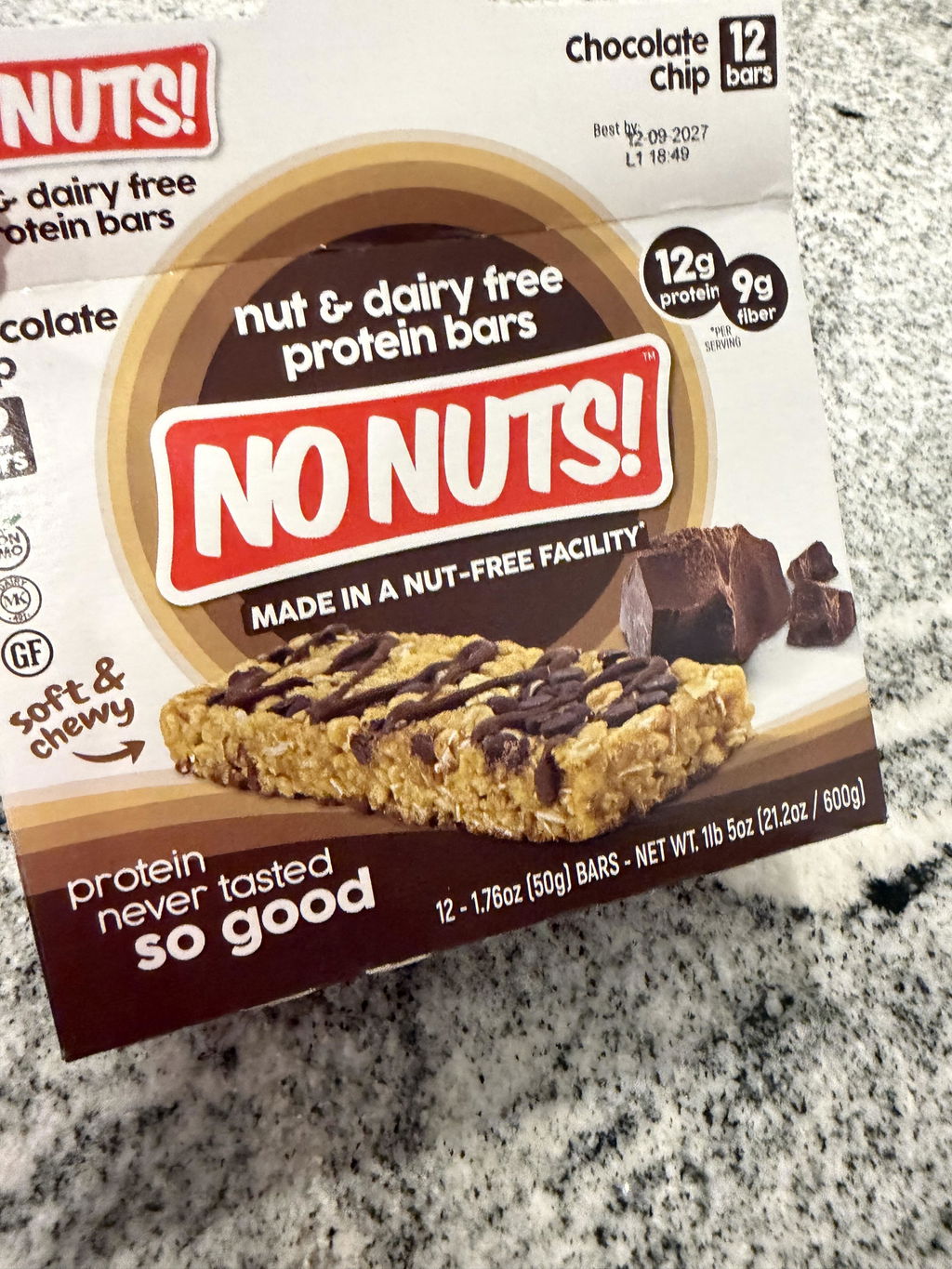
Our own bars, including the No Nuts! Chocolate Chip Snack Bar, are individually wrapped precisely so each one keeps its freshness until you're ready to eat it. That's a small design choice that makes a big difference for storage.
What Affects Protein Bar Shelf Life?
Several factors determine how long protein bars actually stay fresh, regardless of what the "best by" date says.
- Moisture content: Bars with higher moisture (chewy, soft bars) degrade faster than dry, crunchy bars.
- Ingredient base: Plant-based protein bars and dairy-free formulas often behave differently than whey-based bars in terms of texture change.
- Packaging quality: Individually wrapped bars hold up better than bulk-bagged snacks exposed to repeated air contact.
- Storage temperature: Heat accelerates fat oxidation, which is a leading cause of stale or "off" flavors.
- Sunlight exposure: UV light breaks down fats and flavor compounds faster than most people expect.
Since our bars are nut-free, dairy-free, and gluten-free, we pay close attention to ingredient stability so the texture stays soft instead of turning waxy or crumbly over time.
How Long Do Protein Bars Last Once Opened?
This is where most people get surprised. An unwrapped protein bar left out on a counter starts losing moisture within hours.
Texture is usually the first thing to go. Survey data backs this up in a big way.
If you can't finish a bar in one sitting, wrap the remaining piece tightly in its original wrapper or plastic wrap and eat it within a few hours. Beyond that window, expect noticeable changes in texture and taste, even if the bar isn't technically "unsafe" to eat.
Best Storage Practices for Nut-Free and Dairy-Free Snack Bars
Because our bars skip common allergens, we get a lot of questions about whether storage rules change for nut-free and dairy-free formulas. The short answer: the same basic principles apply, but a few extra habits help.
- Keep bars in their original wrapper until you're ready to eat, since our packaging is designed to lock in moisture.
- Store in a cool pantry, ideally between 60-75°F, away from ovens, stoves, or sunny windows.
- Avoid the car. Hot cars are one of the fastest ways to degrade any snack bar, nut-free or not.
- Buy in quantities you'll actually use. A variety pack is great for trying flavors without overbuying one type.
- Refrigerate in hot climates if your home regularly exceeds 80°F, since cooler storage can slow flavor loss.
These habits matter even more for allergy-friendly snacks, since many families rely on nut-free and dairy-free bars as a daily lunchbox staple, not an occasional treat.
No Nuts! Chocolate Chip Snack Bars
Our Chocolate Chip bar is one of the most popular flavors in the lineup, and it's a good example of how proper storage keeps a soft-baked texture intact.
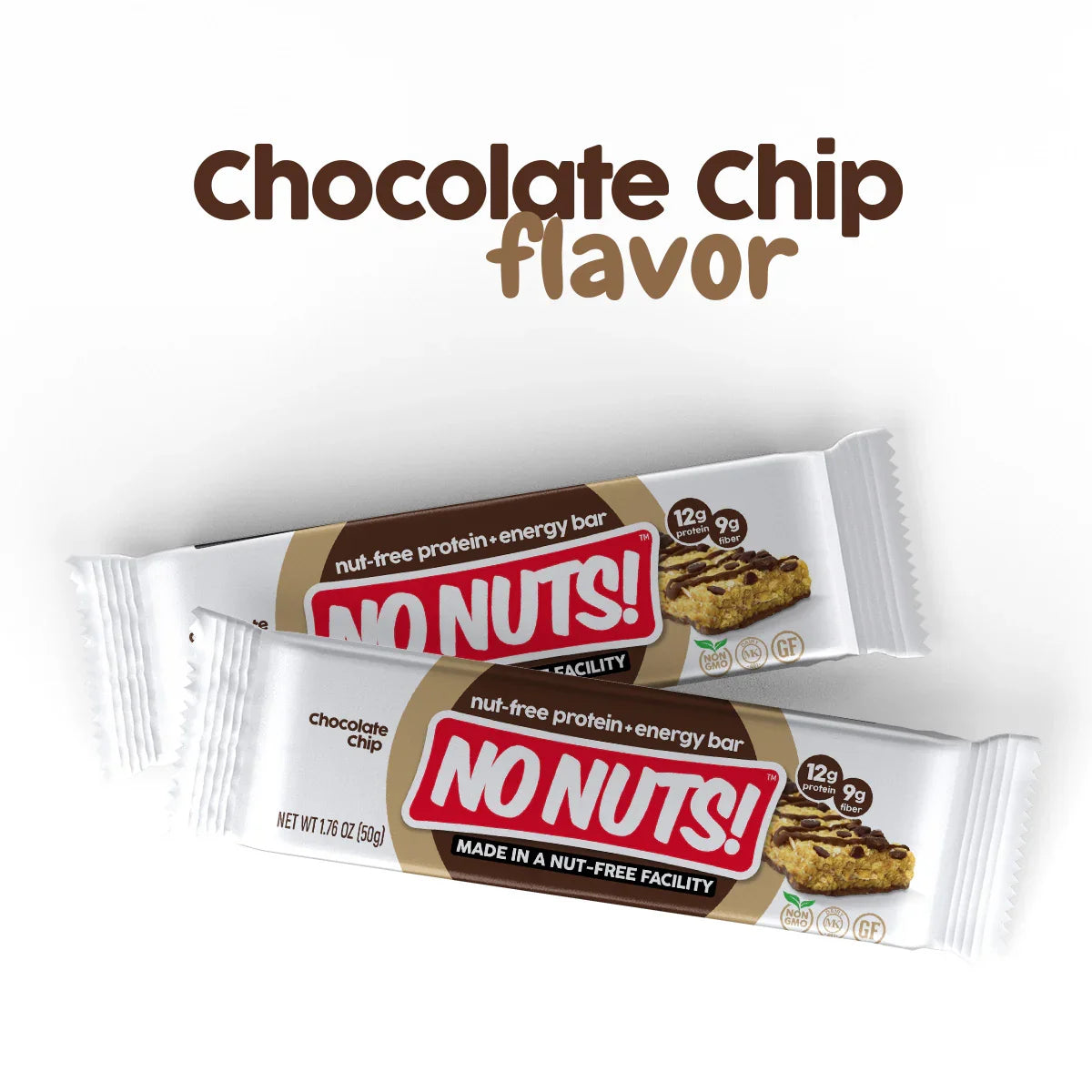
Each bar delivers 12g of plant-based protein and comes individually wrapped, which keeps humidity out until the wrapper is opened. Because it's made in a 100% dedicated nut-free facility, it's a safe pick for school-safe snacks and shared office spaces.
No Nuts! Blueberry Vanilla and Caramel Mocha Bars
Our Blueberry Vanilla and Caramel Mocha flavors follow the same storage logic: individually wrapped, dairy-free, and gluten-free, with 12g of protein per bar.
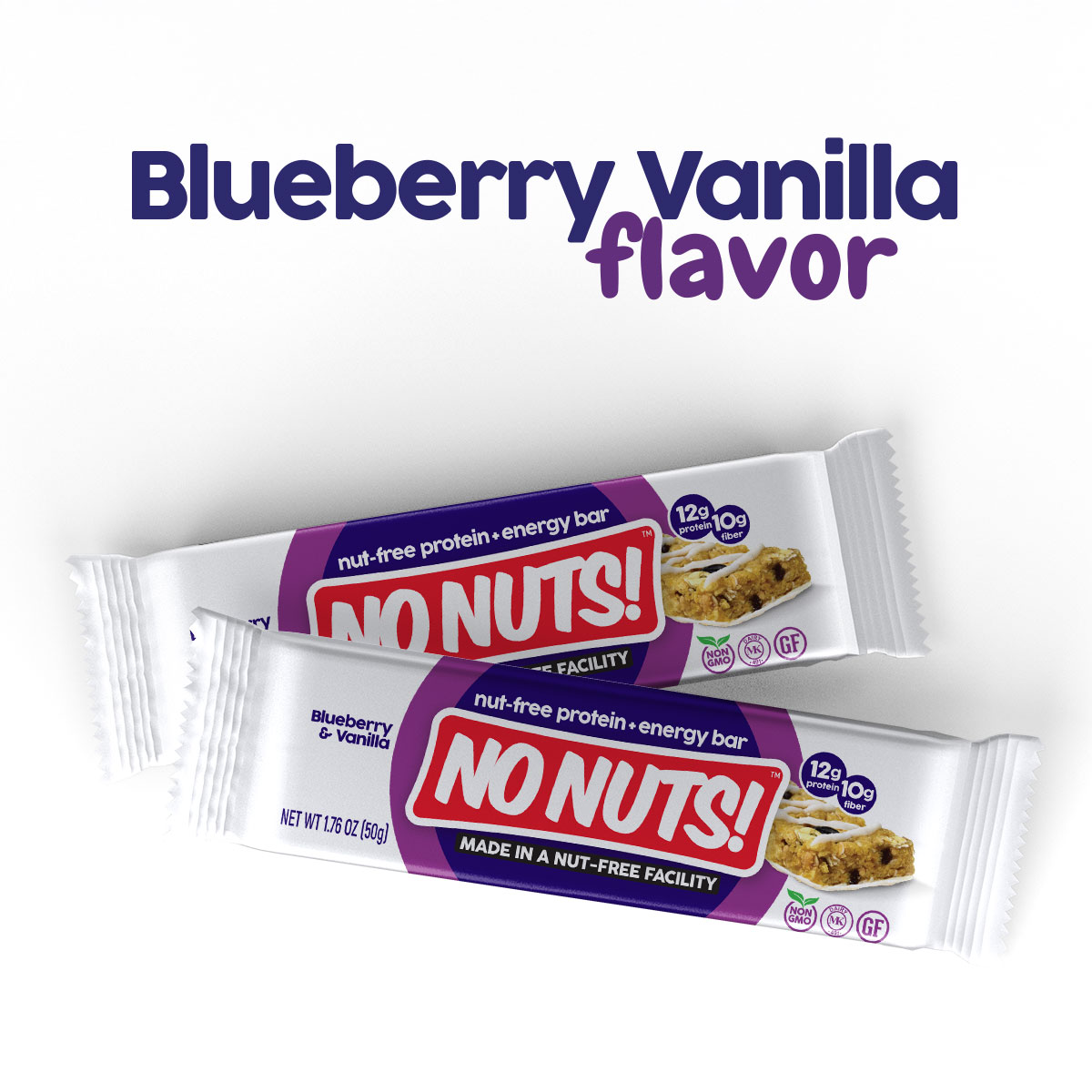
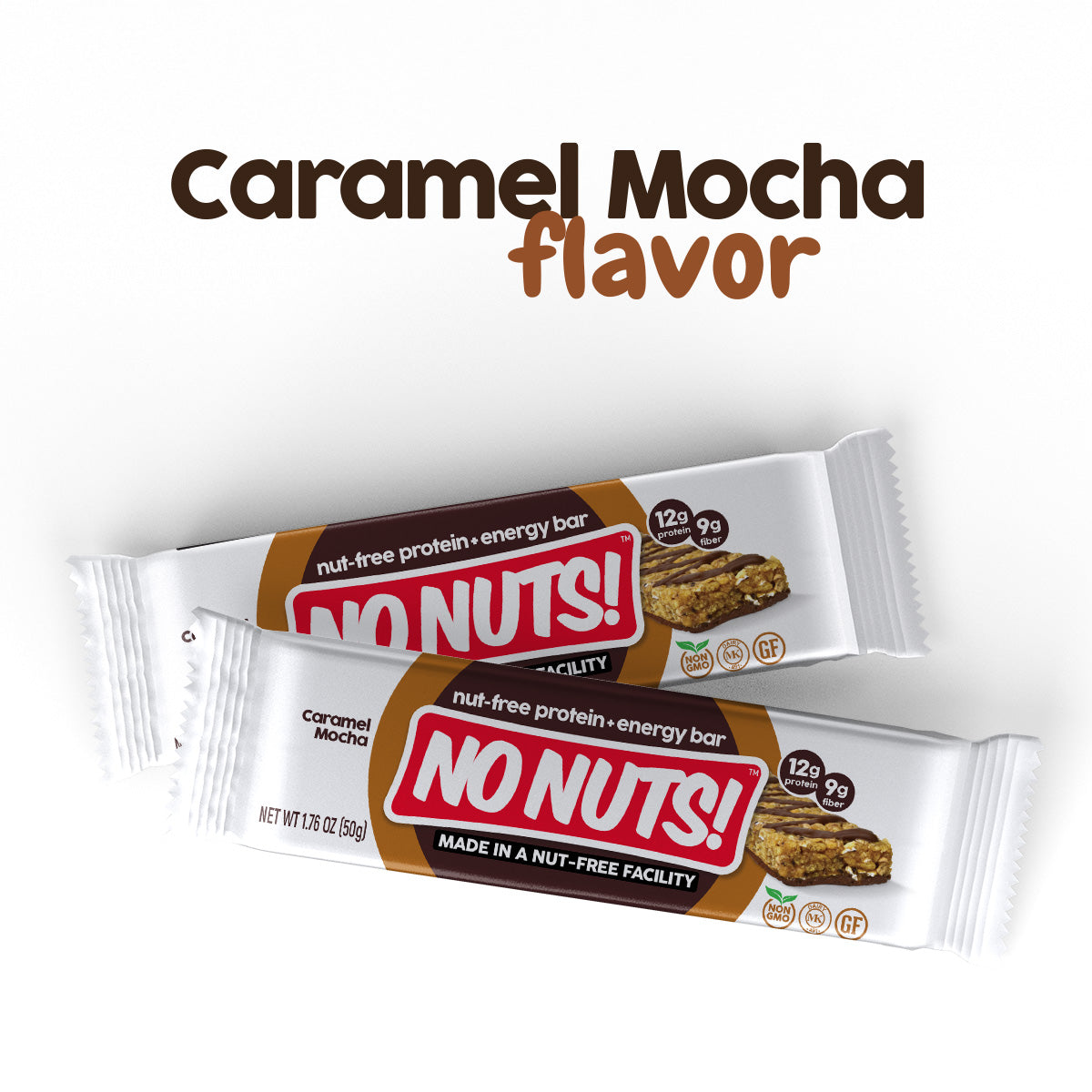
Both flavors keep well in a pantry drawer, lunch bag, or gym bag as long as the wrapper stays sealed. We recommend keeping them out of direct sunlight since the caramel and vanilla notes are the first flavors to fade if a bar sits in a hot car or on a sunny windowsill.
No Nuts! Cinnamon Roll Bars and the Variety Pack
The Cinnamon Roll bar rounds out our four core flavors, and it's one of our best sellers for families looking for allergy-friendly snacks and bars they can rotate through the week.
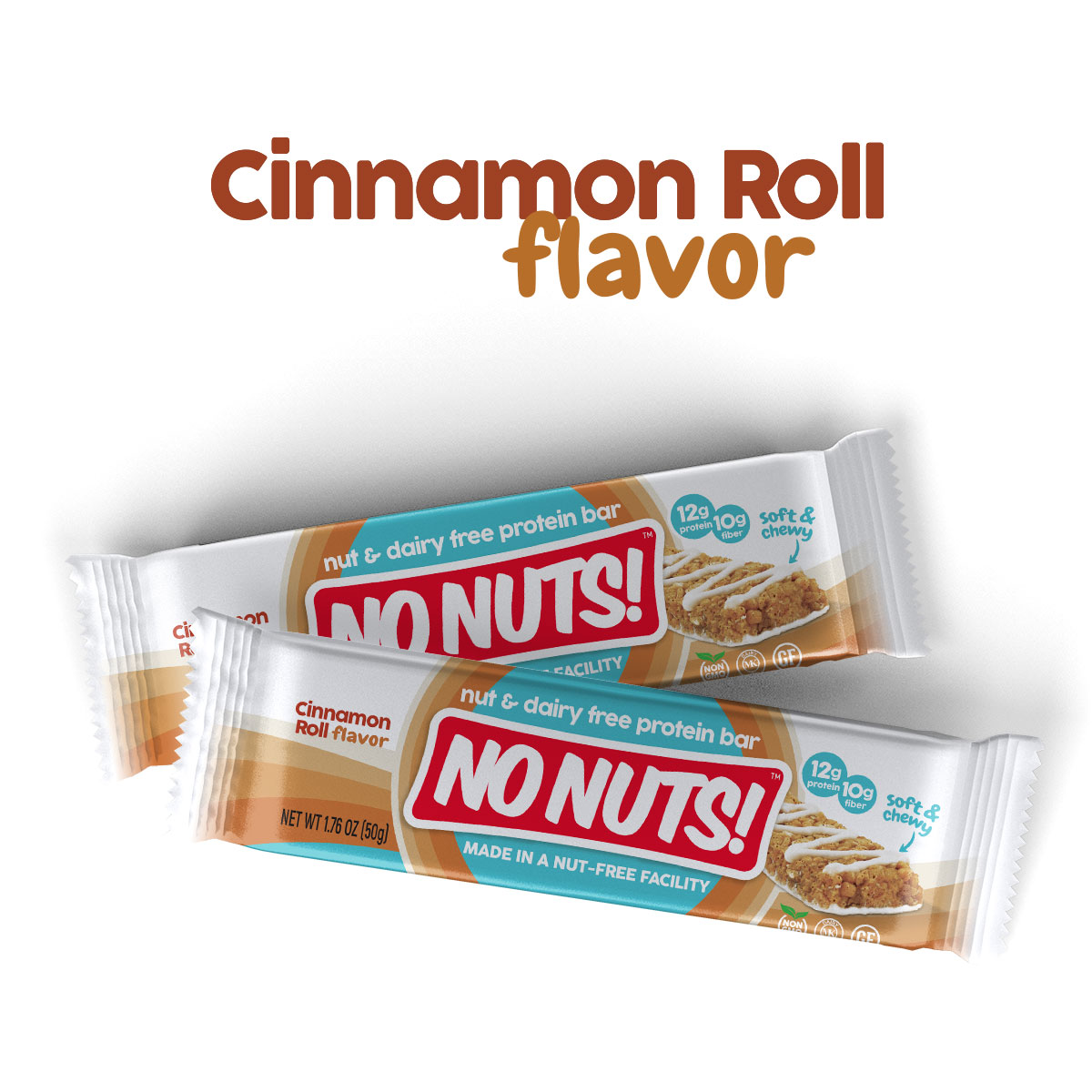
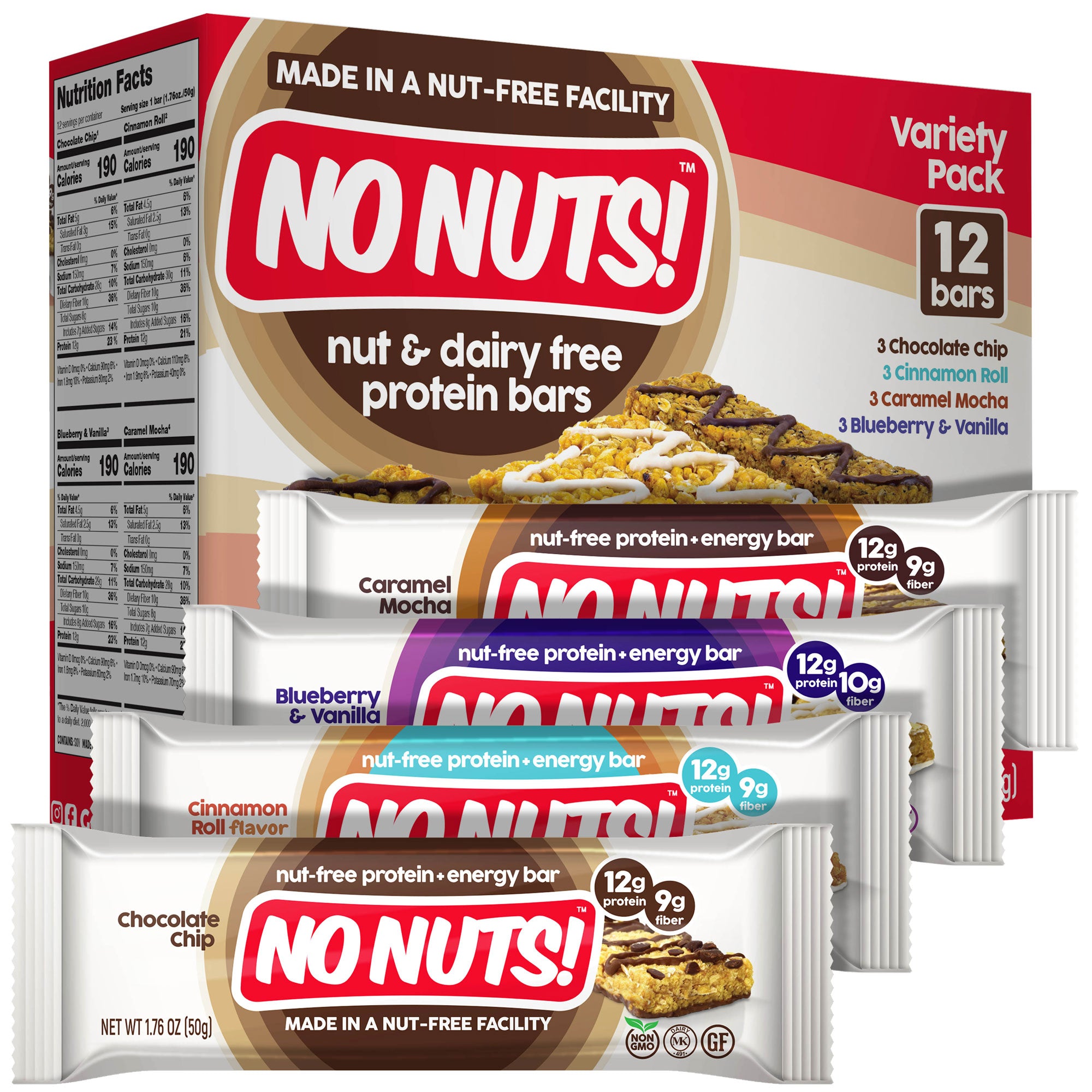
If you're not sure which flavor to commit to, our 4-pack sampler lets you try all four before stocking up on a full case. It's also a smart way to avoid over-purchasing a flavor you might not finish before storage quality starts to decline.
Signs Your Protein Bars Have Gone Bad
Even with careful storage, protein bars don't last forever. Here's what to watch for.
- Hard, dry texture that wasn't there when you bought the bar.
- Gritty or sandy mouthfeel, which about 30 percent of consumers cite as a dealbreaker.
- Faded or "flat" flavor compared to a fresh bar of the same variety.
- Visible discoloration or an off smell when you unwrap it.
- A torn or punctured wrapper, which lets in air and moisture long before the "best by" date.
If a bar feels noticeably harder or tastes muted compared to when you first bought it, trust your senses over the printed date. Storage conditions matter as much as the calendar.
A booming market means more bars sitting in pantries longer, making proper storage more important than ever.
Storage Tips for Bulk and Wholesale Protein Bar Orders
If you're stocking a gym, school, office, or event with wholesale quantities, storage becomes even more important since you're managing dozens or hundreds of bars at once.
Flavor loss can creep in faster than most people expect when bars sit in storage for extended periods.
For wholesale buyers, we recommend rotating stock on a first-in-first-out basis and storing full cases in a climate-controlled stockroom rather than a garage or loading dock. Our wholesale Chocolate Chip 72-pack, Caramel Mocha 72-pack, and Blueberry Vanilla 72-pack are all packed in individually wrapped boxes of 12, which makes it easy to distribute smaller batches without opening the whole case at once. 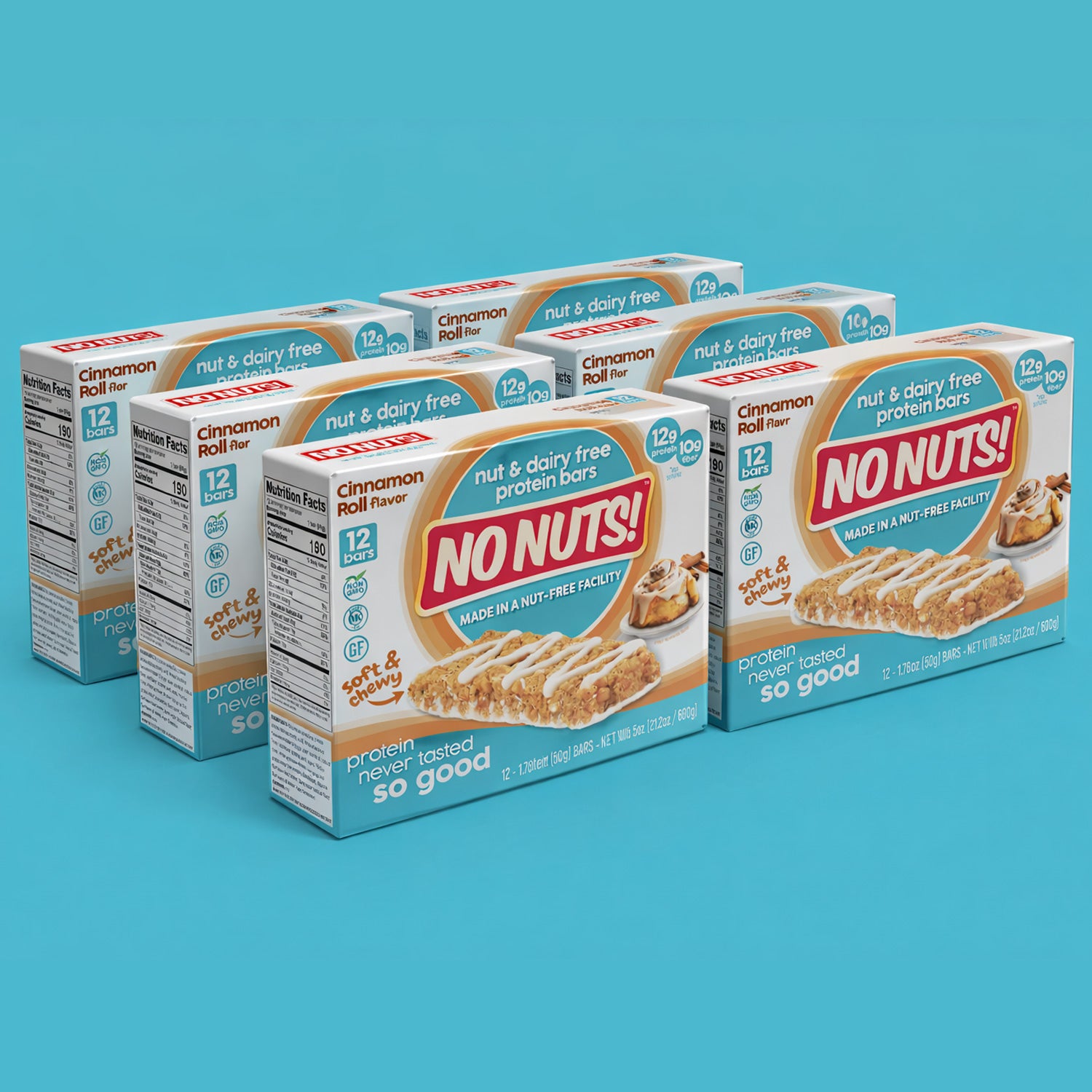
If you're considering a wholesale order for a school, gym, or workplace, our wholesale signup page walks through minimums and delivery timing so cases don't sit around longer than necessary.
Why Storage Matters More for Nut-Free and Dairy-Free Snacks
Allergy-friendly bars often become a daily habit rather than an occasional grab, which means proper storage has a bigger cumulative impact on the household.
Parents packing school lunches, for example, need bars that hold up in a backpack all morning without turning stale by lunchtime. That's part of why we keep every bar individually wrapped, whether you're buying a single flavor or the full school-safe variety pack collection.
We also list full ingredient and allergen details on our ingredients page so families managing food allergies can double-check what's inside before they buy or restock.
Quick Reference: Protein Bar Storage Timeline
| Storage Condition | Expected Freshness Window |
|---|---|
| Unopened, sealed wrapper, cool pantry | 12 to 18 months |
| Unopened, exposed to heat or sunlight | 3 to 9 months before texture changes |
| Opened wrapper, re-wrapped tightly | A few hours to 1 day |
| Opened wrapper, left uncovered | Under an hour before drying out |
| Refrigerated (unopened) | Can extend softness beyond standard pantry storage |
Conclusion
So, how long do protein bars last? Under ideal storage conditions, most bars stay fresh for 12 to 18 months unopened, but texture and flavor start slipping much sooner if they're exposed to heat, sunlight, or open air.
The good news is that a few simple storage habits, like keeping bars in their original wrapper, choosing a cool pantry spot, and buying quantities you'll actually eat, go a long way toward preserving that first-bite freshness. If you're ready to stock up on nut-free, dairy-free bars that are built for real-world storage, browse our full snack bar collection and find your new go-to flavor.
Frequently Asked Questions
How long do protein bars last after the best-by date?
Most protein bars remain safe to eat for a short window past the printed date, but texture and flavor typically decline first. If a bar smells off or feels unusually hard, it's best to toss it regardless of the date.
Do nut-free protein bars need refrigeration?
No, our nut-free and dairy-free bars are shelf-stable and don't require refrigeration. Refrigerating them can help in very hot climates, but it isn't necessary for normal room-temperature storage.
Can protein bars go bad if left in a hot car?
Yes, heat is one of the fastest ways to degrade a protein bar's texture and flavor. A bar left in a hot car for even a few hours can develop a waxy texture or an off taste much sooner than one stored in a pantry.
Is it safe to eat a protein bar that has hardened?
A hardened bar is usually still safe to eat, it's just past its ideal texture window. If it also smells rancid or shows discoloration, it's better to skip it.
What's the best way to store an opened protein bar?
Wrap the unfinished portion tightly in its original wrapper or plastic wrap and eat it within a few hours for the best texture. Leaving it uncovered on a counter speeds up drying and flavor loss significantly.
Are dairy-free protein bars more prone to spoiling than dairy-based bars?
Not necessarily. Dairy-free bars, like ours, follow similar shelf-stable storage timelines to traditional bars since freshness depends more on moisture content and packaging than on whether dairy is included.
How long do protein bars last if bought in bulk for a gym or office?
Bulk cases stored in a climate-controlled space typically last as long as individually purchased bars, around 12 to 18 months unopened. Rotating stock and keeping cases away from heat sources helps make sure bars stay fresh through the entire supply.