Easy Prep Allergy-Friendly Snacks for School: Safe and Nutritious Options
Dec 04, 2025
What Makes a Great School-Safe Snack?
- 100% nut-free to comply with school allergy policies
- Nutritionally balanced with protein and fiber
- Convenient packaging for easy transport
- Kid-approved flavors that they'll actually eat
- Clearly labeled allergen information
- Suitable for multiple dietary restrictions (vegan, gluten-free, etc.)
Introduction: School Snack Time with Allergies
Packing snacks for school can feel like solving a puzzle when your child or their classmates have food allergies. With about 8% of children having food allergies (that's about two kids in every classroom), finding safe options is really important. Many schools now have "nut-free" policies, which means peanut butter sandwiches are off-limits in many classrooms.
The challenge isn't just finding allergen-free snacks – these snacks also need to give kids energy for learning and play, be easy to pack on busy mornings, and be something kids will actually eat. There's nothing worse than finding an untouched snack at the end of the day, especially when you worked hard to find something safe.
In this guide, we'll explore practical solutions for easy-prep, allergy-friendly snacks perfect for school. From ready-to-pack options to simple homemade alternatives, you'll learn how to keep kids safe, happy, and well-fed throughout the school day. Whether you have a child with allergies or just want to make sure your child's snacks are safe for their classmates, these options will make snack time simpler and safer for everyone.


Understanding School Allergy Policies
Most schools today have strict policies about food allergies, especially nut allergies which can cause serious reactions. These policies might include nut-free classrooms or entire buildings, rules against sharing food, special seating in cafeterias, emergency plans for allergic reactions, and staff training about allergies.
The first step in packing school snacks is understanding your school's specific allergy guidelines. Schools usually give out this information at the beginning of the year, but you can always ask teachers or staff if you're not sure. Some schools have stricter rules than others, depending on their students' needs.

The good news is that more awareness about food allergies has created a better environment for all children at school. This has led to more allergy-friendly snack options in stores, giving families more choices than ever before. Even if your own child doesn't have allergies, sending allergen-free snacks to school is a kind way to help protect classmates who might have severe allergic conditions.
Remember that school allergy policies aren't just rules – they're safety measures to protect children. Even tiny amounts of an allergen can cause serious reactions in highly sensitive kids. By following school guidelines about acceptable foods, you're helping create a safer place where all students can focus on learning instead of worrying about allergic reactions.
Essential Nutrients for School-Day Success
Kids need balanced nutrition to keep their energy up and brains working well during school. When choosing allergy-friendly snacks, think about nutrients that will help with learning and physical activity. A good school snack does more than just avoid allergens – it provides fuel for both body and brain.
Protein is super important for growing bodies. It helps build tissues and gives long-lasting energy that prevents the crashes kids get from sugary snacks. Since nuts are often not allowed at school, look for other protein sources. Good nut-free protein options include seed butters (like sunflower or pumpkin seed), dairy products (if there's no milk allergy), nut-free protein bars made for schools, and snacks with beans like chickpeas, lentils, or edamame.
Fiber is another key nutrient for school success. It helps digestion and keeps blood sugar steady, which means more consistent energy and better focus throughout the day. Fresh fruits and vegetables naturally contain lots of fiber and usually don't cause allergy problems. Whole grain crackers and breads (check labels for allergens) and fiber-rich snack bars can also boost fiber intake while keeping kids full between meals.
Did You Know?
Children's brains use about twice as much glucose as adult brains, making healthy carbohydrates an essential part of their school snacks for optimal learning and concentration.
Balancing these nutrients in school snacks helps kids maintain good brain function, physical energy, and emotional control throughout the school day. The best snack options combine multiple nutritional elements – like pairing fiber-rich fruits with protein-packed seed butters, or choosing nut-free protein bars that contain balanced amounts of protein, complex carbs, and healthy fats. When looking at packaged snacks, pick products with this nutritional balance rather than highly processed items with simple sugars that can cause energy ups and downs.
Ready-to-Go Nut-Free Protein Bars
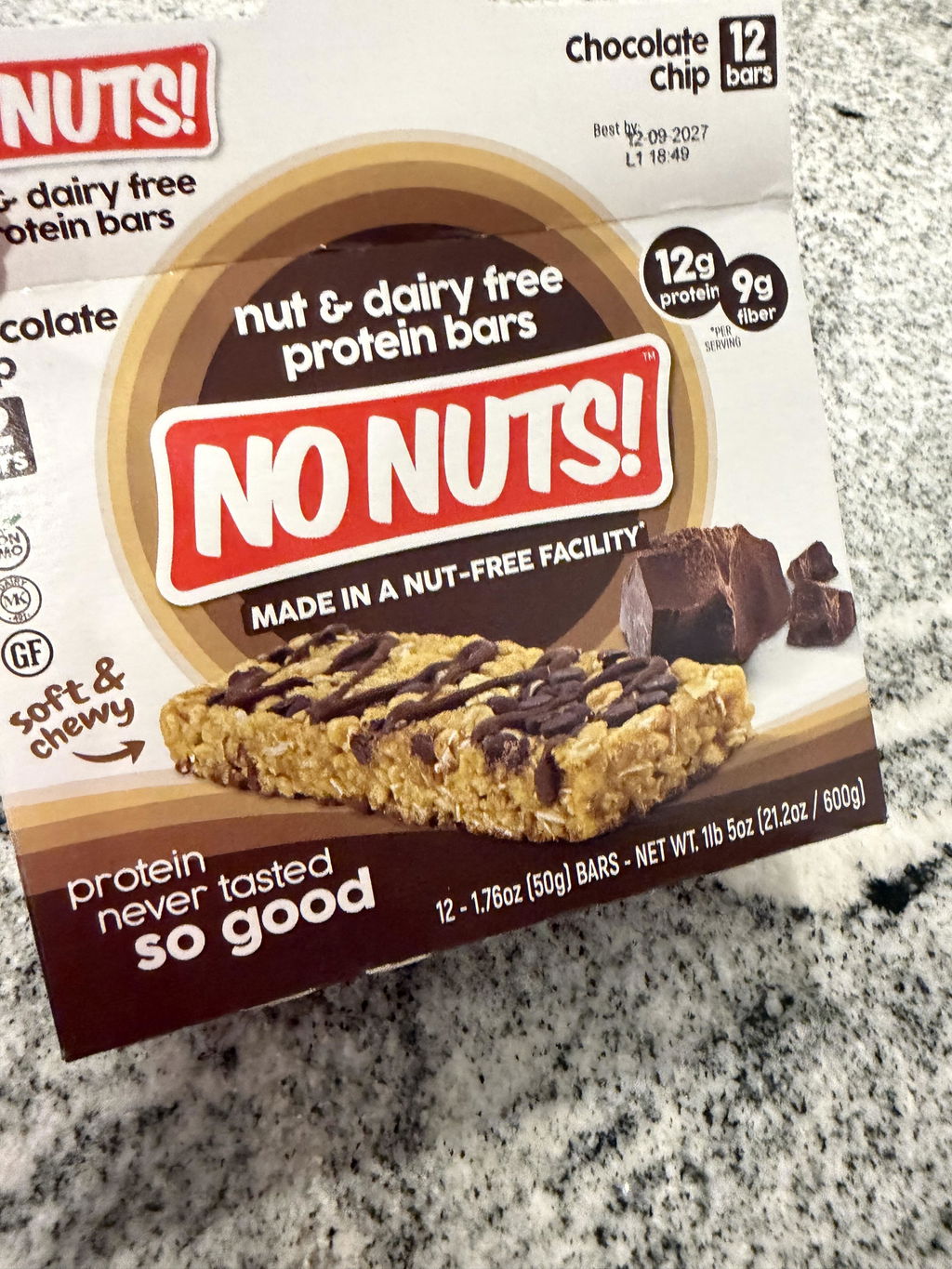
One of the easiest options for school snacks is ready-made nut-free protein bars that need zero prep time. These bars are perfect for busy mornings when everyone is rushing to get ready. They provide balanced nutrition in a convenient, portable format that kids can handle by themselves at snack time. No Nuts! Energy Bars are specially made to be completely nut-free while giving kids the protein and fiber they need to stay energized and focused at school.
These bars take away the worry often linked to allergy-friendly snacking. Unlike regular protein bars that often contain nuts or may be made in facilities where cross-contamination can happen, No Nuts! bars are produced in special allergen-controlled facilities that eliminate nut contamination risks. This careful manufacturing gives peace of mind to parents managing severe allergies, especially when sending snacks to schools with strict nut-free policies.


Variety Pack: Try All Flavors
If you're just starting to explore nut-free snack options, beginning with a variety pack is a smart move to find which flavors your child likes best. The No Nuts Variety Pack includes all four school-safe flavors in a convenient 12-bar pack, letting kids try different flavors without committing to a full package of something they might not enjoy. This approach reduces waste and helps you find the most popular options for regular lunch packing.

Each bar provides 12g of protein to support growing bodies and steady energy, along with up to 10g of fiber for healthy digestion and blood sugar control, all with just 180-190 calories per bar. These balanced bars are made with 100% nut-free ingredients and are also non-GMO, gluten-free, and dairy-free, making them suitable for kids with multiple food restrictions. They're vegan-friendly too, which works for families with various food sensitivities or dietary choices.
If you want a more affordable way to try the flavors before buying larger quantities, the 4-pack sampler lets you try all the flavors to see which ones your kids like best before investing in bigger packages for regular school snacking.
Delicious Flavor Options for Every Preference
No Nuts! has created a range of flavors designed to suit different taste preferences while staying strictly allergy-friendly. Since kids often have specific food likes and dislikes, this variety helps ensure that almost every child can find options they truly enjoy. This variety helps prevent finding untouched snacks in returning lunchboxes.
Each flavor has been carefully created to taste great without compromising on nutrition or allergen safety. The diverse selection means families can likely find multiple appealing options even for picky eaters. This variety also helps prevent "flavor fatigue" that happens when kids get the same snack day after day.
Chocolate Chip
The Chocolate Chip bars offer a classic flavor that most kids love. These bars combine tasty chocolate chips with a nutritious base, providing 12g of protein and 9g of fiber in each 190-calorie portion. The chocolate flavor is rich and satisfying without being too sweet, making these bars a healthier alternative to regular chocolate snacks.
Blueberry Vanilla
For kids who prefer fruit flavors, the Blueberry Vanilla bars offer a refreshing option. These bars combine the natural sweetness of blueberries with smooth vanilla, creating a tasty treat while delivering important nutrients. This fruit-focused flavor appeals to kids who naturally prefer fruity snacks over chocolate.
Caramel Mocha
For kids with more adventurous tastes, the Caramel Mocha bars offer a sophisticated flavor that combines rich caramel with a hint of coffee flavor. These bars have an interesting mix of crunchy and chewy textures that older kids and teens especially enjoy. The coffee flavor is mild enough for young people while offering more complexity than typical kids' snacks.
Cinnamon Roll
The newest addition to the No Nuts! lineup, Cinnamon Roll bars capture the warm, cozy flavor of freshly baked cinnamon rolls in a convenient, nutritious, and school-safe format. These bars have the perfect balance of cinnamon and sweetness that many kids love, offering comfort food flavors in a much healthier package suitable for daily school snacks.
Why Choose Specially Made Nut-Free Snacks
When picking school snacks for kids with allergies or for classrooms with allergy rules, specially made nut-free products offer big advantages compared to regular snacks that happen to be nut-free. While it might seem easier to just grab regular commercial snacks that don't list nuts as ingredients, products specifically designed to be allergen-free provide safety benefits that regular products can't guarantee, especially for kids with severe allergies.
The biggest advantage is protection against cross-contamination. Many regular food products, even those without nuts in their ingredients, are made in facilities or on equipment that also processes nut products. This creates risk for contamination even when nuts aren't intentionally included. Specialized products like No Nuts! snack bars are made in dedicated allergen-controlled facilities with strict protocols to prevent contamination. This is essential for kids with severe allergies, where even tiny amounts of allergens can cause serious reactions.
Another big benefit is clear labeling. Specially made allergy-friendly products typically have very clear labels that make it easy for parents, teachers, and kids themselves to identify safe food options. This clear labeling is crucial for preventing accidental allergen exposure through confusion. The packaging often shows prominent "nut-free" certification symbols or clear allergen statements, allowing caregivers to quickly verify a product's safety without having to study the fine print.
Safety Tip
Always check ingredient labels every time you purchase a product, even if you've bought it before. Manufacturers occasionally change formulations or production processes, which could affect allergen content.
Beyond Bars: Other Allergy-Friendly Snack Ideas
While specialized nut-free protein bars like No Nuts! provide a convenient and nutritious snack solution, having variety is important for keeping kids interested and ensuring they get a wide range of nutrients. Kids usually respond better to different food options rather than getting the same snack every day. Here are some additional allergy-friendly snack ideas to complement protein bars in creating a balanced snack rotation.
Fresh fruits and vegetables are nature's perfect snacks, naturally free from most common allergens while providing essential vitamins, minerals, and fiber. Good school-friendly options include apple slices with allergen-free sunflower seed butter (a great replacement for peanut butter), carrot and cucumber sticks with single-serve hummus, grapes and berries in leak-proof containers, and easy-to-peel fruits like clementines or orange segments. These fresh options add hydration and natural sweetness while requiring minimal prep.
Protein-Rich Options
- No Nuts! protein bars
- Seed butter packets
- Hummus cups
- Roasted chickpeas
When time allows for homemade options, consider baking allergen-free muffins using safe ingredients, creating no-bake energy bites using seeds and dried fruits instead of nuts, or making savory vegetable muffins with grated vegetables for extra nutrition. These homemade items can be prepared in large batches on weekends, then frozen individually and thawed as needed throughout the school week, giving you homemade quality with convenience similar to pre-packaged options.
Teaching Children About Food Allergies
Teaching kids about food allergies is an important part of creating safe and inclusive school environments. When children understand why certain foods can be dangerous for some of their classmates, they usually follow safety rules better and show more kindness toward peers with allergies. This education helps both allergic and non-allergic children by creating a community of awareness and mutual protection.
For young children ages 4-7, use simple, clear explanations like "Some foods that are safe for most people can make certain friends very sick." At this age, kids respond best to straightforward language rather than complicated concepts. Emphasize practical rules like never sharing food at school – a simple guideline that protects everyone. Consider reading children's books about food allergies to make these ideas more relatable. Role-playing situations about checking with adults before eating unfamiliar foods helps build safety habits early.
Important Note
Children with food allergies should wear medical alert bracelets and have an emergency action plan at school. Make sure teachers and school staff are aware of your child's allergies and know how to respond in case of an allergic reaction.
Teaching about allergies benefits all children by creating a culture of understanding and support. When kids learn early that certain foods can be dangerous for some people, they typically develop compassion that extends beyond allergies to other health differences. This education also reduces allergy-related bullying or exclusion, which unfortunately can be a problem for some allergic children at school. By making allergy awareness normal, schools create safer physical and emotional spaces for all students.
Meal Prep Strategies for Busy Parents
Preparing allergy-friendly school snacks doesn't have to be a daily challenge for busy families. With good planning and organization, parents can ensure they always have safe, nutritious snack options without spending too much time on daily food prep. Setting up efficient routines reduces morning stress while increasing the variety and quality of children's school snacks.
Weekend prep sessions can be a game-changer for busy families. Try setting aside 2-3 hours during weekend downtime to prepare snacks for the entire upcoming school week. During this time, wash and portion fresh produce into grab-and-go containers that can be quickly added to lunch boxes each morning. Make batches of homemade allergy-safe items like muffins or energy bites that stay fresh for several days. Pre-portion store-bought safe snacks like No Nuts! bars into containers organized by day. Create labeled "snack stations" in your fridge and pantry where kids can independently choose from parent-approved options.
Consider subscription services for specialized allergy-friendly products like No Nuts! to save shopping time and ensure you always have safe options on hand. These services deliver products at regular intervals directly to your home, eliminating last-minute shopping trips when supplies run low. Subscriptions typically cost less than individual purchases while providing the convenience of automatic delivery that can be adjusted based on how quickly your family uses the products. This approach ensures you always have trusted safe products without having to constantly check your inventory.
Communicating with Schools About Allergies
Clear communication with school staff is a key part of managing food allergies in school settings. Ongoing conversations with teachers, school nurses, administrators, and food service staff helps ensure everyone understands your child's specific needs and is prepared to maintain safety throughout the school day in various situations that might involve food.
At the beginning of each school year, schedule an in-person meeting with your child's teacher, school nurse, and cafeteria manager. This face-to-face meeting allows for detailed information sharing about your child's specific allergies and gives school staff the chance to ask questions about management procedures. Bring written documentation of your child's diagnosed allergies, including medical documentation when available. Review the school's allergy management policies to make sure you understand existing protocols. Provide any required emergency medications (like epinephrine auto-injectors) along with clearly written emergency action plans detailing specific symptoms and appropriate responses.
Communication Template
Dear [Teacher's Name],
My child, [Child's Name], has a [severity] allergy to [allergen]. Exposure could cause symptoms including [list potential symptoms]. I've provided [emergency medication] to the school nurse along with an action plan.
For snack time, I'll ensure [Child's Name] brings safe options like No Nuts! protein bars. Could you please let me know about any upcoming classroom events involving food so I can provide safe alternatives?
Thank you for your help in keeping my child safe.
[Your Name]
Remember that school staff want to support your child's safety, but might not know much about food allergies or hidden allergen sources in common items. Be patient and helpful in all communications. Providing specific, useful information and offering solutions rather than just pointing out problems helps build positive partnerships with school staff who play important roles in keeping your child safe when you're not there.
Reading Labels: What Parents Need to Know
Learning how to read food labels is an essential skill for managing food allergies and finding truly safe snack options for kids with dietary restrictions. Food packaging contains important safety information, but understanding this information correctly requires specific knowledge and careful attention to detail. Understanding labeling rules, different terms, and limitations in disclosure requirements helps parents make informed decisions about product safety.
In the United States, the Food and Drug Administration (FDA) requires clear labeling of the nine major food allergens: milk, eggs, fish, shellfish, tree nuts, peanuts, wheat, soybeans, and sesame. These allergens must be clearly shown either in the ingredients list or in a separate "Contains" statement right after the ingredients. This makes it easier to spot major allergens, but you need to understand the different ways manufacturers might display this information.
When checking if a product is safe, look at multiple parts of the packaging beyond just the ingredients list. "Contains" statements (like "Contains: milk, wheat, soy") give a summary of major allergens in the product. "May contain" warnings indicate possible unintentional cross-contamination rather than actual ingredients. Phrases like "Manufactured in a facility that also processes" or "Made on equipment that also processes" signal shared manufacturing environments where cross-contamination is possible despite cleaning procedures. These advisory statements aren't legally required but show potential contamination risks that could affect severely allergic individuals.
Label Reading Tip
Ingredient formulations can change without notice. Make it a habit to read labels every time you purchase a product, even if you've bought it many times before.
Specialized allergy-friendly products like No Nuts! bars make label-reading much easier through very clear allergen information prominently displayed on packaging. These specially designed products typically go beyond minimum legal requirements by using comprehensive allergen communication strategies, giving parents more confidence when choosing snacks for children with allergies. The clear allergen-free certifications and prominent labeling on these products remove much of the guesswork that comes with evaluating regular products.